

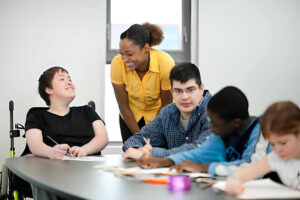
Have you ever considered how the right support can help someone with a disability participate in social activities or be an active part of their community?
Living with a disability can sometimes make daily life challenging, especially when it gets even tougher with stuff like getting out for social events, handling quick trips around town, or just blending into local life. The NDIS community access support fits right in here to make things easier. It works to build up independence and a sense of assurance for people joining in on regular daily routines. Here at Hilda Care, our goal is to share straightforward details on the real impact NDIS has on community participation among those with disabilities.
What is NDIS Community Access?
NDIS community access is a support option under the National Disability Insurance Scheme (NDIS) that helps participants engage in their local communities. Participants might go to the local library for a bit or stop by a cafe to relax. They could join some group classes too, or show up at social events around town. The whole point here is to help make regular community life accessible and fun for everyone, regardless of their abilities.
This support with community access really aims at building up social skills for participants. It allows for more independence in daily life, and it boosts their confidence in general. People get to try out fresh chances and experiences. All the while, trained professionals or support workers stick around to guide them through it all in a safe way.
How NDIS Supports Daily Community Activities
NDIS makes daily community routines easier by offering funded support for community access. This covers different kinds of aids based on what each participant aims for. Some of the key areas include:
- Transport Assistance: Providing support to help participants travel safely to various community activities.
- Support Workers: Providing guidance and help during outings or social events.
- Skill Development: Building confidence in communication, mobility, and daily living tasks.
- Group Programs: Organizing structured group outings to encourage interaction and fun.
With these supports, NDIS helps participants take part in their local communities freely and confidently, without added challenges.
Examples of Community Participation NDIS Programs
Many NDIS programs help participants take part in community life in simple and meaningful ways.
- Local community centers: Provide spaces for hobby clubs, art activities, and fitness sessions
- Library visits: Library visits offer reading groups, workshops, and quiet study meetups.
- Sports and recreation: Include activities like swimming, yoga, or gym sessions designed for people with disabilities.
- Shopping and errands: Shopping and everyday tasks give a chance to practice self‑reliance while a support worker stays close.
- Cultural and social events: Include festivals, shows, and group activities that encourage inclusion and enjoyment.
These programs are designed around each person’s interests and abilities, so everyone can join in and enjoy something meaningful.
Benefits of NDIS Community Access
1. Increased Independence
One of the major advantages of NDIS community access involves greater self-sufficiency. It pushes participants to handle more tasks. This might cover picking up groceries, heading to a park, or attending a local workshop. Support workers fill an important spot in this process. They offer directions, assist in mapping out paths, and watch over safety while encouraging individuals to do things on their own. All that effort helps grow assurance and cuts down on needing constant help from family members or friends.
2. Enhanced Social Connections
Being part of the community helps participants build friendships and strengthen social ties. Through community participation NDIS programs, individuals can join clubs, hobby groups, or community centers where they meet others with similar interests.
3. Access to Support Services
NDIS also sets up access to expert help during community outings. This covers support workers tuned into the unique requirements of people with disabilities. You often see participants or their families looking up a support worker near me on the web. That search shows how vital it is to have local experts ready for direct aid when it counts.
4. Participation in Group Activities
Group activities form a solid piece of NDIS community access, too. Many programs feature group outings NDIS style, pulling in things like trips to museums, strolls in nature, or sports meetups.
Such trips create a planned setup for folks to chat, pick up knowledge, and savor fresh moments without worry. Joining in groups also sparks teamwork, better talking skills, and collective fun. It turns into something rewarding and lighthearted for all.
5. Promotes Personal Growth
Daily community access isn’t just about being out in public; it’s about personal development. By participating in social activities NDIS, individuals learn new skills, discover interests, and increase their confidence.
Tips for Maximizing Community Participation
- Set Clear Goals: Identify what you want to achieve through community access, whether it’s improving social skills, attending a specific class, or simply making new friends.
- Plan Activities in Advance: Work with your support worker to schedule outings and plan necessary preparations.
- Start Small: Begin with simple activities and gradually move to more complex or group-based programs.
- Use Available Resources: Take advantage of community support services and NDIS-funded programs to maximize participation.
- Stay Consistent: Regular participation helps build confidence, independence, and social connections over time.
Conclusion
The NDIS truly empowers independence by funding essential community support services. It recognises that a connected life is a good life, ensuring you have the flexibility and support to join social activities. Use your plan to achieve your goals and actively enjoy full NDIS community access. The freedom to participate and connect is now within your reach.