

- 53+ Reviews on Google
- Multilingual Team
- Melbourne Support Workers
- Registered NDIS Provider #4050126032
Specialist Disability Accommodation (SDA) in Melbourne
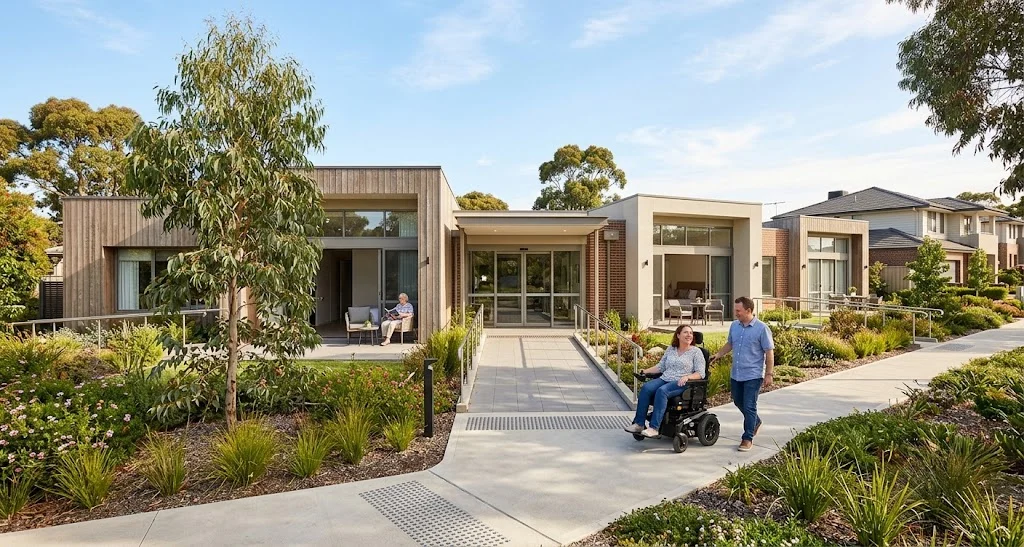
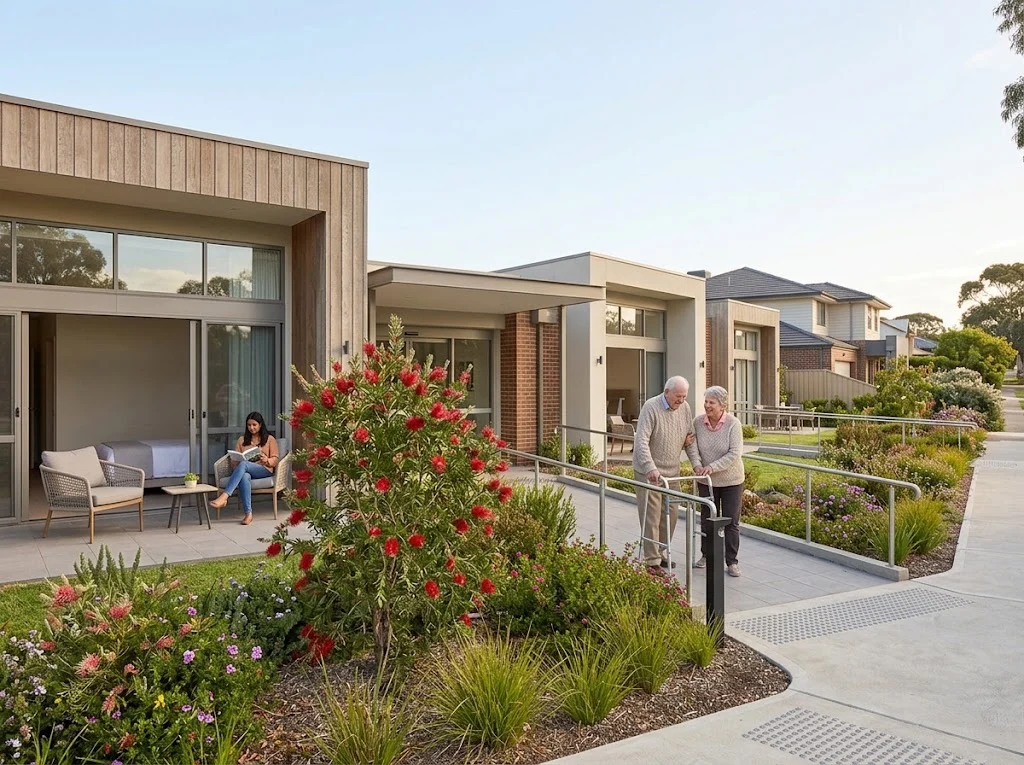
Hilda Care has been a registered NDIS SDA provider for years, matching participants across Melbourne to purpose-built homes that fit their plan, their support needs, and where they want to live.

Purpose-Built SDA Housing in Melbourne
Hilda Care has been placing NDIS participants into SDA housing across Melbourne for years. Every support worker assigned to an SDA property is NDIS-screened, police-checked, and assigned to your home on a consistent basis, so the people supporting you stay familiar.
What makes the process different here is how we approach property matching. Rather than presenting participants with whatever is available, our housing team starts by understanding your confirmed design category, your daily support needs, where you want to live, and who or what needs to stay close. From there, we work alongside your support coordinator to identify properties that genuinely fit.
Participants can also view a property before committing. We arrange property walkthroughs so you can see the home, assess whether it suits your needs, and make an informed decision before signing anything.
What Is Specialist Disability Accommodation?
Specialist Disability Accommodation, commonly called SDA, is a category of NDIS funding that covers the cost of purpose-built or significantly modified housing. It exists for participants who need a home with specific physical features to live safely and as independently as possible.
The NDIS funds SDA for people with extreme functional impairment or very high support needs where standard housing, even with modifications, cannot safely meet those needs.
Participants who qualify typically require one-on-one support for most of the day, or need housing features that reduce serious risk to themselves or others. The NDIA assesses each application individually, considering your disability, daily support needs, living goals, and clinical evidence.
What Are the SDA Design Categories?
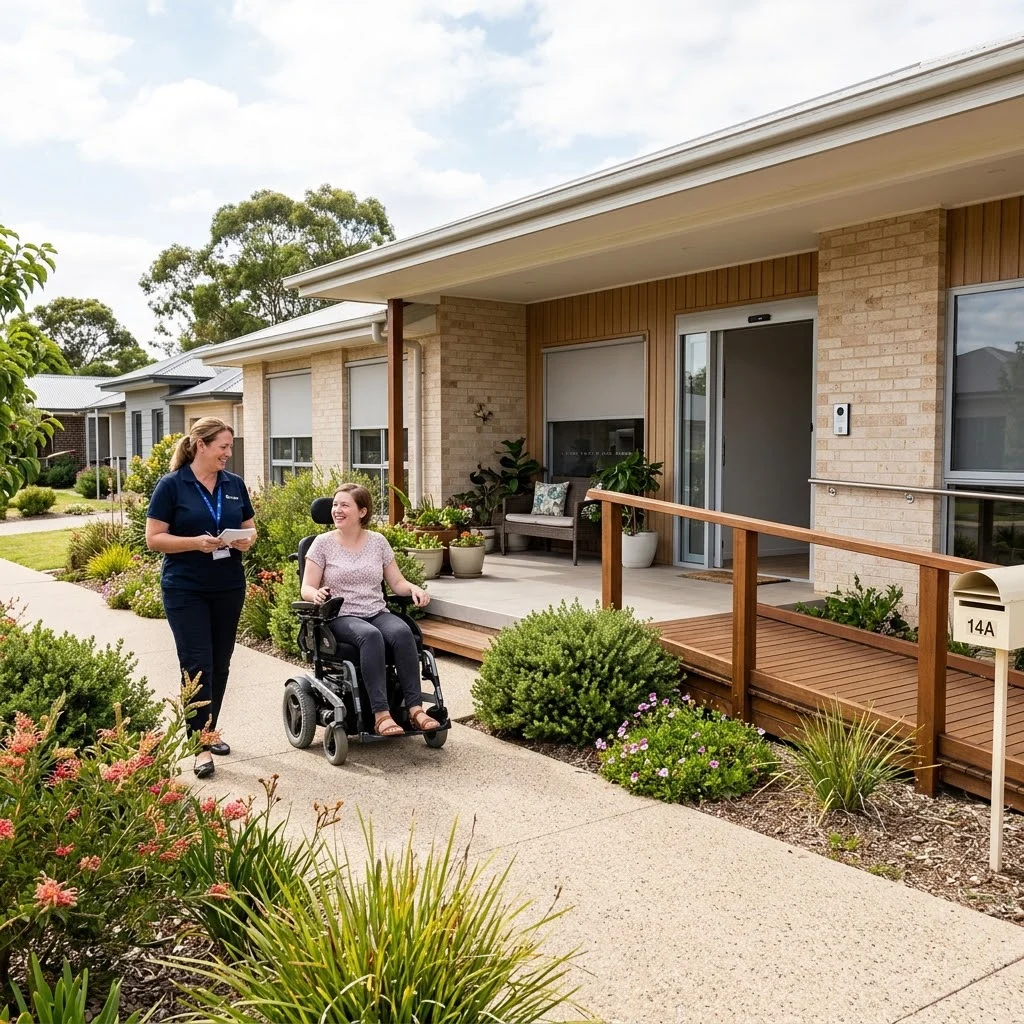
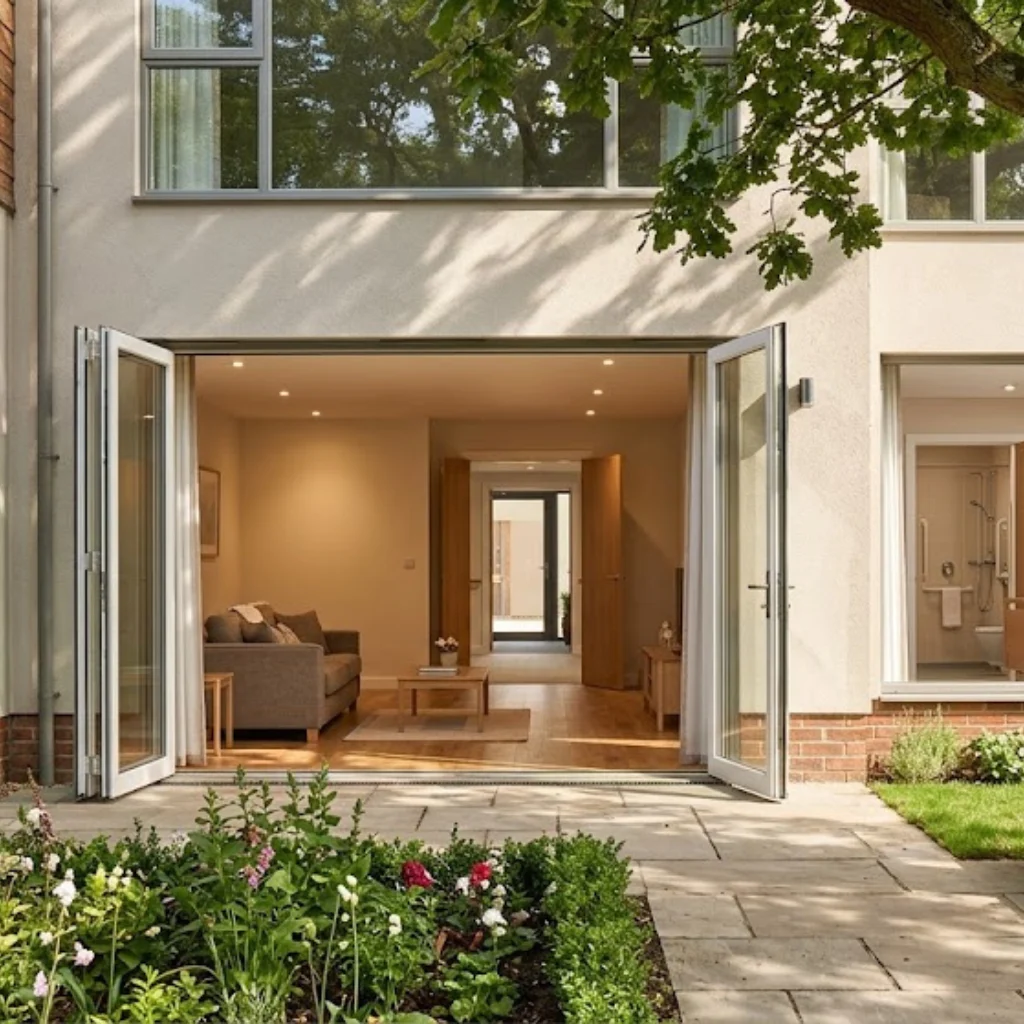
The NDIS recognises four SDA design categories. The category in your NDIS plan determines which properties you can access; it is set by the NDIA based on your functional assessment, not something you choose yourself. Our housing team works with you and your support coordinator to find a property that matches your confirmed design category, support needs, and location.
- Improved Liveability designed for participants with sensory, intellectual, or thinking and memory impairments, with enhanced wayfinding, high contrast finishes, and reduced sensory input
- Fully Accessible built for wheelchair users and those with significant physical impairment, with wider doorways, accessible bathrooms, and step-free entrances
- High Physical Support for the most complex physical needs, with ceiling hoists, emergency power provisions, and built-in assistive technology
- Robust built for participants with complex behaviours, using durable, impact-resistant materials and soundproofing
The features in each home depend on its design category and configuration. Our housing team can walk you through what is included in any property you are considering.
If you are unsure which category applies to your plan, or if SDA funding has not yet been included, our housing team can review your plan with you and clarify the next steps.
Current SDA Vacancies in Melbourne
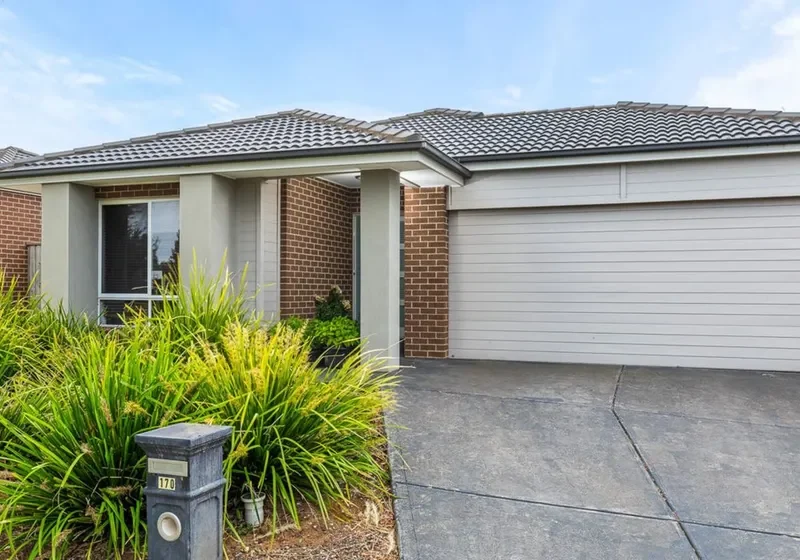
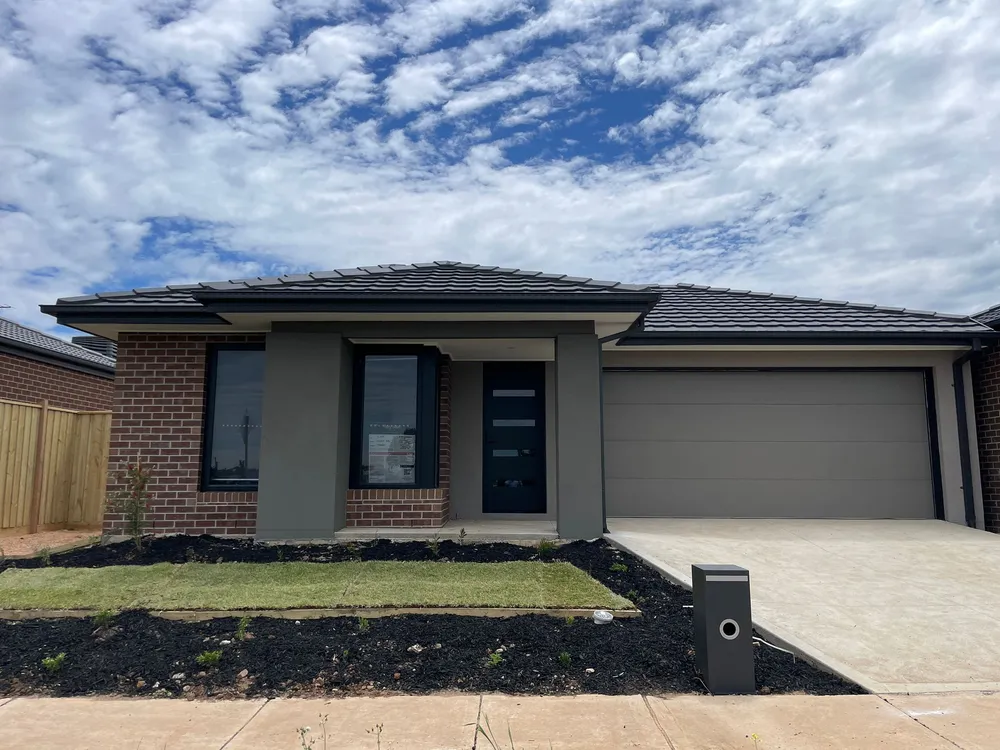
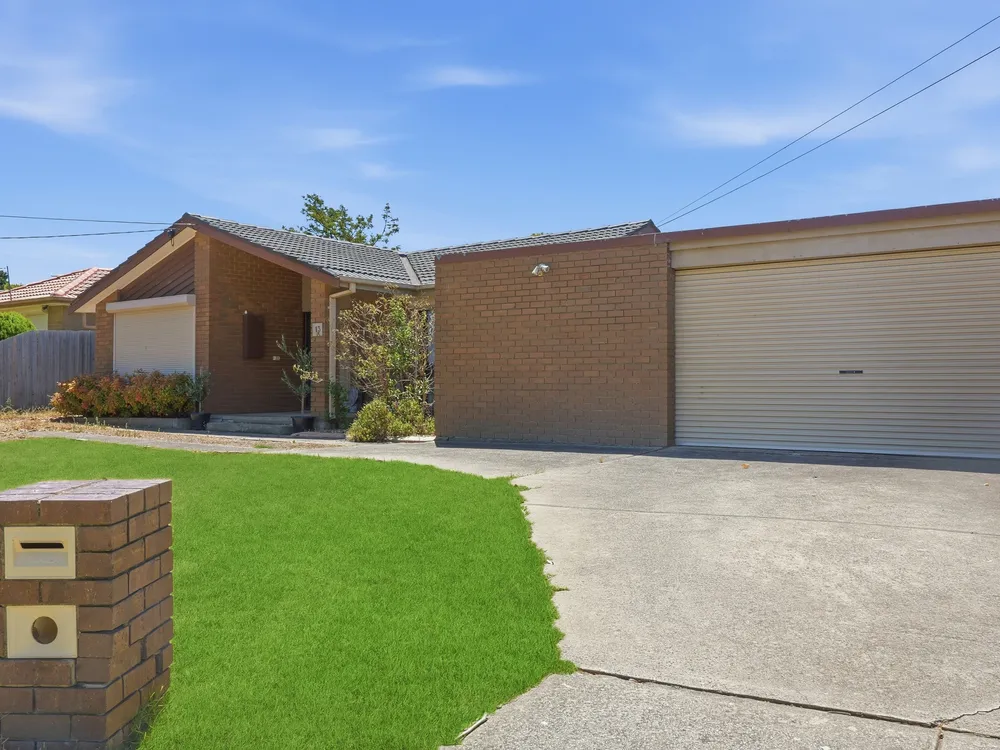
Hilda Care has SDA properties available across Melbourne. Browse our current vacancies below; each listing includes the design category, property type, location, and key features. If you do not see a suitable option, speak to our housing team directly as new properties become available regularly.
Why Melbourne Participants Choose Us for SDA
- Registered NDIS SDA provider for years, Provider #4050126032
- 8+ years supporting NDIS participants with complex physical, behavioural, intellectual, and psychosocial needs
- We walk you through every stage from checking your eligibility to signing your service agreement so there are no surprises.
- Properties are matched based on your confirmed design category, support needs, and location, not just what is available.
- The same workers are assigned to each SDA home long-term, so you are not dealing with unfamiliar faces each week.
- We’re a SDA provider, not a third-party landlord, so participants do not face sudden property changes or displacement.
- Support workers assigned to SDA homes are available around the clock to assist with your needs.
- SDA homes are available across Improved Liveability, Fully Accessible, High Physical Support, and Robust.
What the NDIS Funds and What It Does Not
The NDIS Funds Through SDA
- The cost of the purpose-built property
- Building features and specialist modifications
- Assistive technology built into the property
Not Covered by SDA Funding
- Daily support services (funded through SIL or other supports)
- Utilities and everyday living costs
- Food, personal items, and general living expenses
- The cost of support workers
As an SDA resident, you pay rent but the amount you can be charged is capped by the NDIA. The cap is based on a portion of the Disability Support Pension and any Commonwealth Rent Assistance you receive, and is reviewed twice a year in March and September. This is separate from your NDIS funding; the amount you can be charged is capped by the NDIA to keep it affordable.
SDA Eligibility and How to Apply
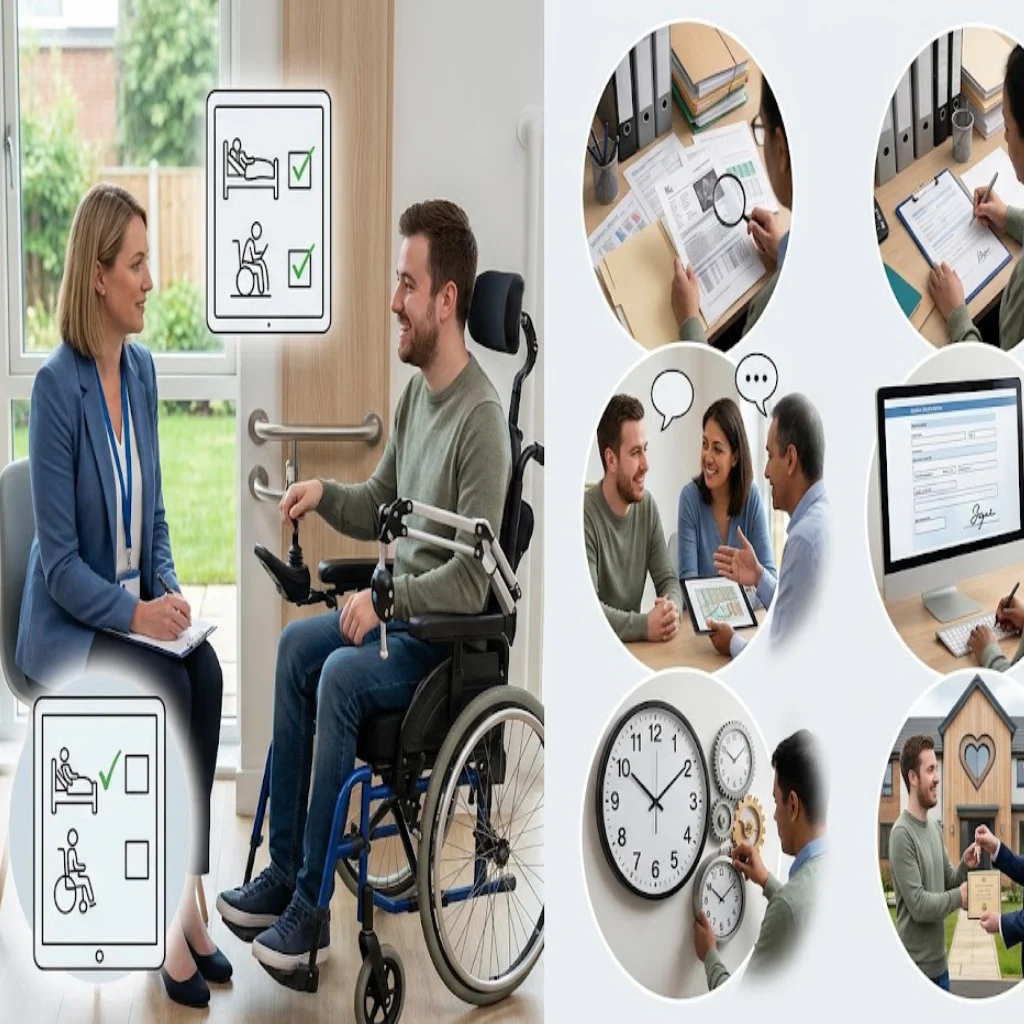
To access SDA, you need to be a current NDIS participant with either extreme functional impairment where your disability makes it very difficult to manage daily tasks even with support, or very high support needs, where one-on-one help is required for most of the day and cannot be provided by family or existing networks.
The application requires a Functional Capacity Assessment from an occupational therapist, supporting reports from treating health professionals, and a Home and Living Supports request submitted by your support coordinator. The process can take several months, so starting before your next plan review is advisable.
Once approved, SDA funding and your confirmed design category appear in your plan. From there, our housing team matches you to suitable properties, arranges viewings, and supports you through to move-in day.
How we support you through the process:
- Review your current NDIS plan to confirm whether SDA funding is in place or needs to be applied for
- Walk you through what evidence is needed so you know what to prepare before approaching your support coordinator or allied health team
- Work alongside your support coordinator throughout the application
- Match you to suitable properties once SDA is confirmed in your plan
- Arrange property viewings and housemate meet-and-greets for shared homes
- Introduce your support team gradually on move-in day, so your routine is stable from day one

SDA Across Melbourne
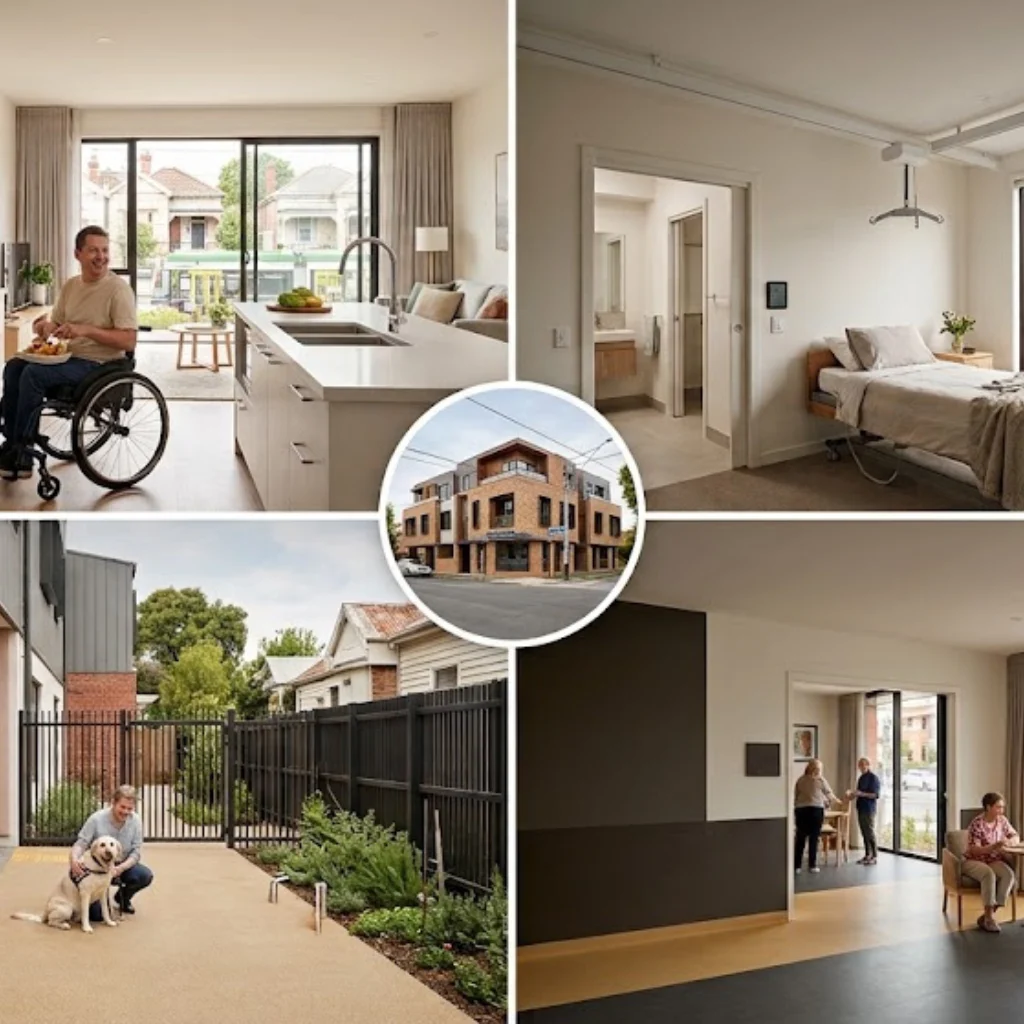
Hilda Care has SDA homes across Melbourne’s western, northern, eastern, and south-eastern suburbs, including Caroline Springs, Dandenong, Hoppers Crossing, Werribee, and Springvale. Each property sits within an established residential area, close to public transport, medical centres, shops, and community services.
Location matters as much as the property itself. A participant in Werribee may need to stay close to a hospital in the western suburbs, while someone in Dandenong or Springvale may want to remain connected to their cultural community.
When matching participants to homes, the housing team considers how close a property is to family, existing support networks, hospitals, allied health services, cultural communities, and employment or study. If you have a preferred suburb or need to stay close to specific services, let us know early; the more we understand about where you want to live and why, the better we can narrow down the right options.
Frequently Asked Questions (FAQs)
What is Specialist Disability Accommodation (SDA)?
SDA is NDIS funding for specially designed housing for participants with extreme functional impairment or very high support needs. SDA pays for the building; SIL pays for the support workers in it.
How do I know if SDA is right for me?
SDA is for participants with extreme functional impairment or very high support needs where standard housing cannot safely meet your daily requirements. An occupational therapist or support coordinator can help you work out whether SDA is the right fit before you apply.
Can I choose where I live with SDA?
Yes. Once SDA is confirmed in your plan, you can choose a property that suits your location, living preferences, and support needs.
Can I inspect an SDA property before moving in?
Yes. We arrange property viewings before any commitment is made. For shared homes, we also set up meet-and-greets with prospective housemates so everyone has a chance to connect before moving in together.
Can I choose my housemates?
In shared SDA homes, yes. Housemate compatibility is taken seriously you will have the opportunity to meet prospective housemates and provide feedback before any placement is confirmed.
Can I live alone in an SDA home?
Yes. Single occupancy SDA arrangements are available for participants who prefer their own space or whose support needs require it. Your housing team can advise on what is available based on your design category and location preferences.
Who maintains the SDA property?
Property maintenance is the responsibility of the SDA provider, not the participant. Structural repairs, accessibility modifications, and general upkeep are managed by the provider. Participants are responsible for day-to-day household cleanliness and any damage they cause.
What happens if I want to move out of my SDA home later?
You can move out of an SDA home. The process involves giving notice as outlined in your tenancy agreement. If you move to a different SDA property, your SDA funding stays in your plan; it is the property that changes, not the funding category.
Can I bring my pet into an SDA home?
This depends on the specific property and tenancy agreement. Some SDA homes permit pets subject to approval. Ask our housing team about pet-friendly properties when discussing your preferences.
What happens if my SDA application is rejected?
You can request an internal review of the decision. Most rejections happen due to insufficient evidence rather than ineligibility, so strengthening your allied health reports and reapplying is often the next step.
What evidence do I need to apply for SDA?
You will need reports from an occupational therapist or another allied health professional that demonstrate your functional impairment and explain why specialist housing is necessary. A support coordinator experienced in SDA can help you pull this together correctly.
How long does it take to get SDA approved?
It can take several months. Gathering allied health reports, submitting a Home and Living Supports request, and going through a plan review all take time.
What is the difference between SDA and SIL?
SDA is the home itself built or modified to meet your disability needs. SIL is the funded support you receive inside it, such as help with personal care and daily tasks. Many participants living in SDA also have SIL funding in their plan, as the two work together but cover different things.
Can I switch to Hilda Care from my current SDA provider?
Yes. You have the right to change your SDA provider. The process involves ending your current service agreement and entering into a new one with us. Your support coordinator can guide you through the steps and help make the transition as smooth as possible.
Can I have a family member or partner live with me in SDA?
Yes, in some cases. A partner or family member can live with you, though they are not covered by SDA funding and would contribute to household costs. Your support coordinator can advise on what applies to your situation.
 Posted on Google
 Omar Soliman
Trustindex verifies that the original source of the review is Google.
Really happy with the support I’m getting. Everyone is friendly, easy to talk to, and actually listens. I feel supported and comfortable. Would definitely recommend.Posted on Google WarrenI have found the services to be unbelievably great in my situation. I recommend the services to everyone who wants to be taken care of in Melbourne.Posted on Google
 Amira MoussaI’m so grateful for the care and support I receive from Hilda Care. I’ve always felt respected, valued, and genuinely listened to. The team is kind, patient, and supportive, and communication is always clear! I honestly feel lucky to be part of a service that truly cares about their clients. Thank you!!!Posted on Google
 Omar Moussa (omzy96)Lovely NDIS provider providing support throughout all of Melbourne. I have personally recieved support through Hilda Care for the past 6 months roughly. Their administration is top notch. They have gone above and beyond providing personalised support workers for my needs, have promptly resolved any issues I may have and they always try their best to deliver extra services that may help me with my needs and support. Thank you Hilda Care, you've made my transition into the NDIS as seamless as possible, and I really look forward for the years ahead 😊Posted on Google
 Grahm WatsonThanks for looking after me in SIL house in Burnside Heights. Management is excellent. Happy is looking after me very well. ThanksPosted on Google
 Kim Fleming
Trustindex verifies that the original source of the review is Google.
My experience dealing with this organisation has been very disappointing. They seem unorganised, unprofessional arrogant and downright disrespectful of peoples time.Posted on Google Divyanshu SethiHilda Care is outstanding. As a Support Coordinator, I’ve had situations where I needed a Support Worker at the very last minute for my cleints, and they delivered without hesitation. Not once or twice but always. They found the right person within hours and made sure the client felt safe and supported. They have paid heed to client’s feedback and tweaked their services accordingly everytime. Their staff are well trained, reliable, and always go above and beyond to meet client needs. It’s clear they genuinely put clients first. Highly recommended.Posted on Google
 Tommy NjegacThank you Hilda care for providing me services in caroline springs. Harry is amazing support worker. He really understands me well and my needs. God bless your company.Posted on Google
 Yasemin YakupThis is one of the most reliable and compassionate disability service providers we’ve worked with. Their communication is clear. The support workers show great understanding and patience, especially during challenging moments. They make everyday routines more enjoyable and less stressful for everyone involved. We feel very lucky to have them on our side.Verified by TrustindexTrustindex verified badge is the Universal Symbol of Trust. Only the greatest companies can get the verified badge who has a review score above 4.5, based on customer reviews over the past 12 months. Read more
Talk to Our Team About Specialist Disability Accommodation
Finding the right SDA home takes time, and the earlier you start, the more choices you have. Reach out today; our housing team is ready to review your plan, answer your questions, and help you take the next step toward a home that works for your life.