

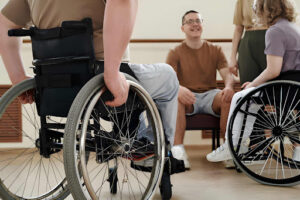
Can NDIS funding support social skill programs? Just like other members of the community, many people living with disabilities also want to make friendships and confidently take part in their social circles. Social skills training NDIS programs provide practical opportunities to practise real-life interactions, join group activities, and take part in everyday community life. Understanding how funding works can help participants and families choose the right program training skill program and use their plans in a proper way.
Why Social Skills Matter for NDIS Participants
Social skills shape many parts of life. How we communicate with others, how to control our emotions, and act confidently in groups strongly affects our independence and wellbeing. Participants often face difficulties such as difficulty starting conversations, trouble reading social cues, and most commonly anxiety in group settings. Structured programs give NDIS members guided practice, helping them develop these skills safely and step by step. NDIS funding may cover social skills training NDIS programs when the support helps a participant achieve goals in their plan, such as improving relationships, joining the community, or gaining independence.
How Social Skill Programs Work
Structured programs help participants practise social skills step by step in a safe and supportive environment. They might take part in activities like role-playing, group discussions, or guided interactions with peers. The NDIS can fund these programs when they help participants reach their goals, such as building relationships, joining community activities, or becoming more independent.
NDIS Funding Categories That May Cover Social Skill Programs
Social skill programs may be funded under different NDIS budget categories depending on the purpose of the support.
Capacity Building Supports
Many programs fall under capacity building because they help participants develop skills that improve independence and long-term participation. These programs focus on building abilities such as communication, emotional regulation, decision-making, and social confidence. Rather than providing ongoing assistance, these supports teach skills participants can use in many areas of life.
Therapy Supports
Some social skill programs are delivered by therapists such as psychologists, speech pathologists, or occupational therapists. In these cases, funding may come from therapy supports within the capacity building category. Therapy-based programs often help participants who need more structured support for communication, behavioural strategies, or emotional development.
Community Participation Funding
Social skill programs that focus on real-life experiences may be funded through community participation funding. These programs often include activities such as community outings, group recreational activities, social clubs, and peer support sessions. Participants practise interacting with others in real environments, which can strengthen confidence outside the program setting.
Group-Based Social Skill Programs
Many providers run group programs disability participants can join, and they can join others who have similar goals. These programs create a supportive environment where people can practise real conversations with peers, learn by observing others, and build confidence in social situations. Group learning also opens the door to friendships and meaningful connections.
For example, a weekly social club may include activities like games, group discussions, or collaborative tasks that promote communication and teamwork. In these settings, participants often feel more comfortable practising their skills with peers who share similar experiences, which helps them improve gradually and naturally.
Linking Social Skill Programs to NDIS Goals
If we look closely, many of the goals in an NDIS plan are connected to a participant’s social skills, such as building friendships, improving communication, becoming independent while participating in the community, and taking part in recreational activities. When programs focus on these areas, they can help individuals strengthen their confidence and take part more actively in everyday life. Programs that support these goals can help explain why social skills training NDIS programs is reasonable and necessary.
Real-Life Examples of Social Skill Development
Practical examples often help planners understand the value of social skill programs.
Building Confidence in Public Settings
A participant with social anxiety joins a weekly program that practises everyday interactions. After several sessions, they feel comfortable ordering food at a café and starting conversations with peers.
Learning to Work in a Group
Another participant struggles with teamwork. A structured program introduces group problem-solving activities and communication strategies. Over time, the participant becomes more confident in contributing ideas and listening to others.
Developing Emotional Awareness
A program led by a therapist teaches participants how to recognise emotions, manage frustration, and respond appropriately during conversations.
These improvements support stronger friendships and improved relationships with NDIS goals.
Signs of a Good Social Skill Program
When choosing a provider, participants and their caregivers should look for programs that offer:
- Small group sizes
- Experienced facilitators
- Structured learning activities
- Opportunities to practise real-life scenarios
- Feedback and progress tracking
Good providers also keep in touch with participants and their caregivers to discuss their progress and areas of improvement. The program should be supportive to encourage participants to try new skills.
The Role of Community Participation in Social Development
Many social skill programs combine classroom learning with real-world activities. These activities help participants practise communication outside structured sessions, such as visiting local cafés or shops, participating in community events, joining recreational activities, and volunteering or group outings. These experiences support community participation goals and help participants feel more connected to their local community.
Tracking Progress in Social Skill Programs
Participants can monitor their development by observing improvements in areas such as their level of confidence in initiating conversations, their ability to comfortably interact in groups, their ability to convey their ideas, and their emotional control in social situations. Keeping records can help them prove the benefits of social skill training programs under NDIS plans. Providers can also write reports detailing their development and suggestions for further assistance.
Supporting Participants to Build Social Confidence
At Hilda Care, we collaborate with each participant to help them develop their ability to build relationships with others through the delivery of structured group programmes and individual sessions that concentrate on three main areas: communication, confidence, and their ability to become involved within the community. If you are looking for supportive social skill programs through your NDIS plan, our team is here to help. Visit Hilda Care today to explore programs that support building social confidence.