

- 53+ Reviews on Google
- Multilingual Team
- Registered NDIS Provider #4050126032
Current SIL Vacancies in Melbourne
Looking for a Supported Independent Living (SIL) home in Melbourne? Hilda Care has SIL vacancies across metropolitan Melbourne, with new openings regularly. We’ve been a registered NDIS SIL provider for years, and our focus is finding the right home, the right housemates, and the right level of support for you, not just filling a room. If nothing fits right now, tell us what you’re looking for, and we’ll contact you as soon as a suitable home opens up.
New to SIL and want to understand how it works? Learn about our Supported Independent Living support in Melbourne.



What Is SIL Housing and What Does It Cost?
A Supported Independent Living (SIL) home is just a home. What makes it different is that support workers are funded to help you with daily tasks based on your needs. SIL focuses on the support you receive, not the building, and it’s funded through your NDIS plan.
NDIS funding only pays for support workers. You’ll need to cover rent, groceries, utilities, and internet from your own income or Disability Support Pension.
In Melbourne, rent for shared homes is usually between $200 and $350 per week, depending on where you live, the property, and how many housemates you have.
It’s important to know about these costs before you start looking. Many families find out about them late in the process, which can be stressful. Learning the details early helps you plan better.
How Long Does It Take to Find SIL Housing in Melbourne?
The process usually takes longer than most people expect. From your first conversation to moving in, it often takes six to fourteen weeks. It can take even longer if there aren’t many vacancies or if you’re still waiting for NDIS funding.
Getting SIL funding added to your plan can take a few weeks. You might also need extra time for new assessments or reports from health professionals. Once your funding is sorted, you’ll still need to find the right vacancy and housemates. Before you move in, a Roster of Care must be created and submitted to the NDIA for review.
The most common mistake we see is people waiting until everything is sorted before talking to a provider. This usually means you have to start looking for a vacancy from the beginning, which takes longer. If you contact us early, even if your funding isn’t final yet, we can get to know your needs, add you to our list, and get ready so things move faster when you’re ready.


Understanding SIL Housing Requirements
A SIL home doesn’t have to meet SDA building standards. What matters most is that it’s safe, accessible for residents, and in a location with good access to transport, shops, medical services, and community activities.
For providers, SIL housing requirements are more about the support they offer than the building itself. Providers need to be registered with the NDIS, have the right SIL registration, hire trained and checked staff, and follow a Roster of Care that the NDIA reviews.
When considering any SIL accommodation in Melbourne, ask these questions before making a commitment:
- Is the home accessible for your specific mobility needs?
- How many other participants live there, and what are their support needs?
- Are support workers on site overnight or on call?
- What happens if your regular worker calls in sick?
- Has the provider clearly explained all the costs in writing before asking you to sign anything?
If a provider can’t answer these questions clearly and openly, it’s a sign you should be careful.
Our SIL Housing Options Across Melbourne
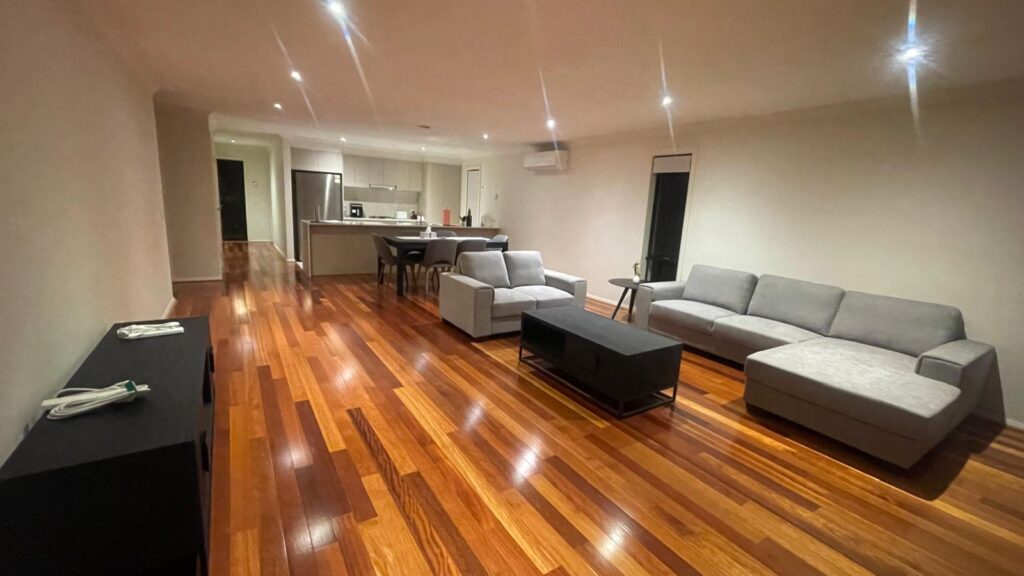
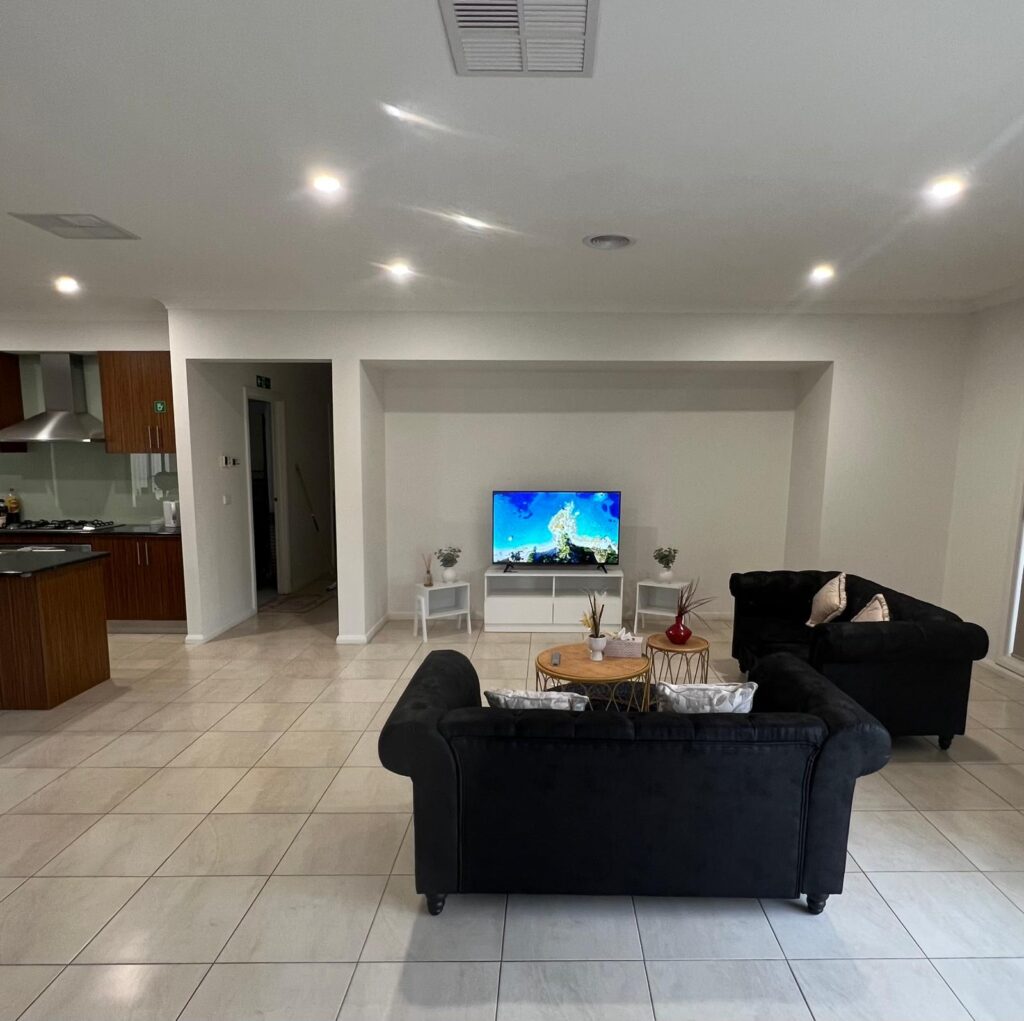
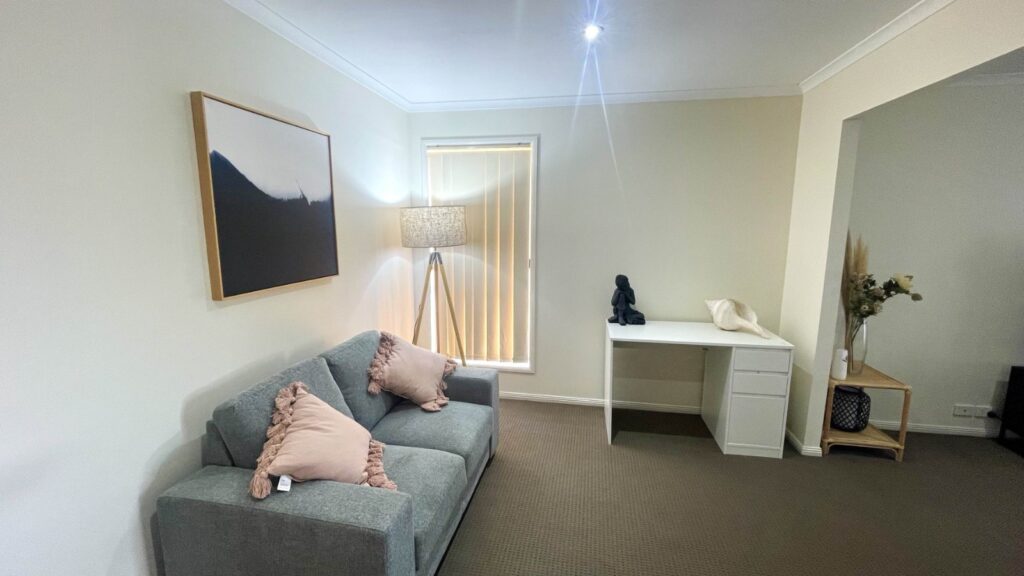
Don’t see a home in your area? Get in touch with us, and we’ll let you know the moment a suitable SIL vacancy comes up near you.
What to Look for in SIL Housing Providers in Melbourne
Choosing a SIL housing provider in Melbourne is an important decision. The provider affects both the quality of your support and your daily life.
Based on participant and family feedback, these are the key factors to consider when evaluating providers:
- Consistent staffing. Frequent worker changes make it hard to build trust and routine. Ask how providers maintain consistency and their staff turnover.
- Housemate compatibility. The wrong match can disrupt daily life. Good providers prioritise compatibility, not just filling vacancies, and arrange meet-and-greets first.
- Transparent costs. Your Service Agreement should clearly outline what’s covered and what you pay. If it’s unclear, ask or reconsider.
Regular reviews. Your needs change over time. Providers should review your Roster of Care regularly. Ask how often and who initiates it.


Common Problems People Face with SIL Housing
These are the issues we see come up most often when people look for SIL housing in Melbourne. Knowing about them ahead of time can help you avoid frustration.
- A home can look right on paper but be a poor fit if the provider is just filling vacancies. Always visit, spend time there, and meet residents before deciding.
- Even with approved funding, you may not get a place immediately, especially in inner and eastern Melbourne, where options are limited. Speaking to providers early helps you get considered sooner.
- If your Roster of Care doesn’t reflect your real needs, you can end up underfunded. Make sure it’s based on a proper discussion of your daily life, not a rushed process.
- Frequent staff changes can disrupt your routine. Before committing, ask about staff consistency and how transitions are managed.
SDA vs SIL: Can You Have Both?
SDA funds the specialist home itself, while SIL funds the support workers who help you live there. They’re funded separately in your NDIS plan, and many people have both. To understand which applies to you, read our full guide: SIL vs SDA explained.
How Hilda Care Approaches SIL Homes in Melbourne
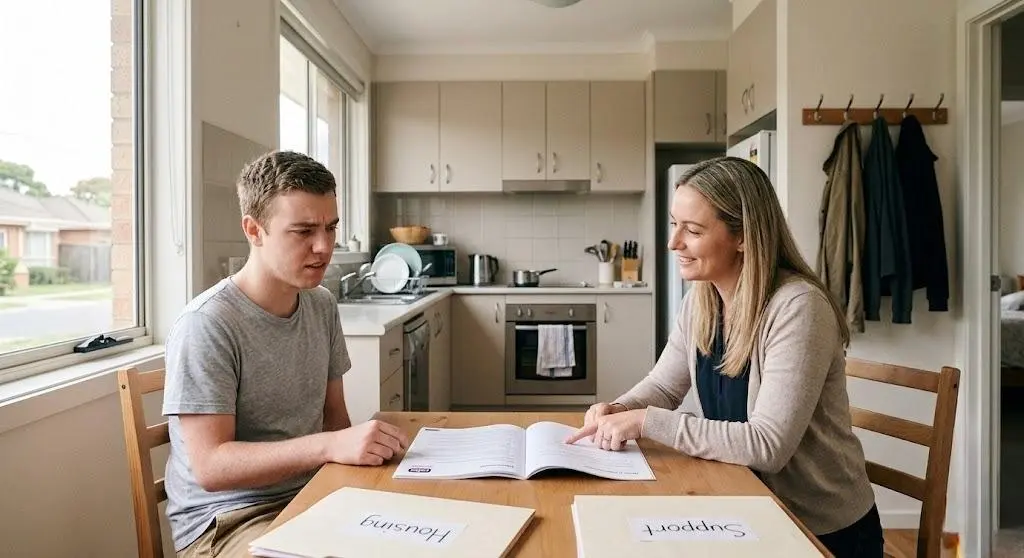
We’ve been a registered SIL provider in Melbourne since we started. Many participants have told us that other providers didn’t take the time to really understand their needs and daily lives from the start.
When we first talk with you, we spend time getting to know your routine, personality, preferences, and past experiences. This helps us make better recommendations for housing, support workers, and your Roster of Care.
If any issues come up, we encourage you to talk to us so we can sort things out quickly.
“Speak to Our Team About Current Openings”

FAQs About SIL Housing Melbourne
How long does it take to find SIL housing?
The process typically takes six to fourteen weeks from the initial conversation to moving in. Timing depends on housing availability, housemate compatibility, and the speed of NDIS funding confirmation.
Can I choose where in Melbourne my SIL's home is?
Yes, you can specify your preferred location. We work to accommodate your preferences, though availability varies by area.
What is the difference between SIL homes and group homes?
SIL homes differ from traditional group homes. In SIL, you have choice and control over your daily routine, housemates, and support. Group homes typically operate on the provider’s schedule, while SIL prioritizes participant preferences.
Do I need SDA funding to access SIL housing in Melbourne?
No. Most SIL participants live in standard rental properties and do not receive SDA funding. SDA is only for people with extreme functional impairment who need a specially designed home. SIL can be delivered in any suitable property; you do not need specialist housing to access it.
What happens if I want to change my SIL provider?
You have the right to change providers at any time. The transition process depends on whether you are staying in the same home or moving to a new one. Your support coordinator can help manage the transition. Your tenancy and your SIL support are separate; changing providers does not automatically require you to move out.