

- 53+ Reviews on Google
- Multilingual Team
- Registered NDIS Provider #4050126032
SDA vs SIL: What’s the Difference?
SDA and SIL are both NDIS supports, but they solve different problems.
SDA (Specialist Disability Accommodation) relates to the specialist home you live in. SIL (Supported Independent Living) relates to the support you receive to live as independently as possible.
You can receive SDA without SIL, SIL without SDA, or both together.
The key difference is simple:
SDA is about the home. SIL is about the support.

SDA vs SIL: The Key Differences
| SDA | SIL | |
|---|---|---|
| What does it provide? | Specialist disability accommodation | Support with daily living |
| Main purpose | Provides a suitable specialist home | Helps you live as independently as possible |
| What does the funding relate to? | The dwelling | Your support |
| Who provides it? | Registered SDA provider | SIL/support provider |
| Can you have it by itself? | Yes | Yes |
| Can you have both? | Yes | Yes |
| Does it pay ordinary living costs? | No | No |
| Does one automatically include the other? | No | No |
A property can look suitable on paper but feel completely different when you visit it. That is why Hilda Care arranges a viewing before you decide.
SDA: Funding for Specialist Accommodation
SDA funding contributes toward a specialist home that is designed or built to meet the housing needs of eligible NDIS participants. The property itself is the focus. Depending on the participant and property, SDA homes can include specialist features designed around different accessibility, safety and support requirements.
There are four SDA design categories: (add live links below)
The design category describes the type of specialist housing that may be appropriate. It does not determine whether you receive SIL.
If you’re trying to understand whether you could qualify for SDA, see our SDA Eligibility Checklist.
SIL: Support to Help You Live Independently
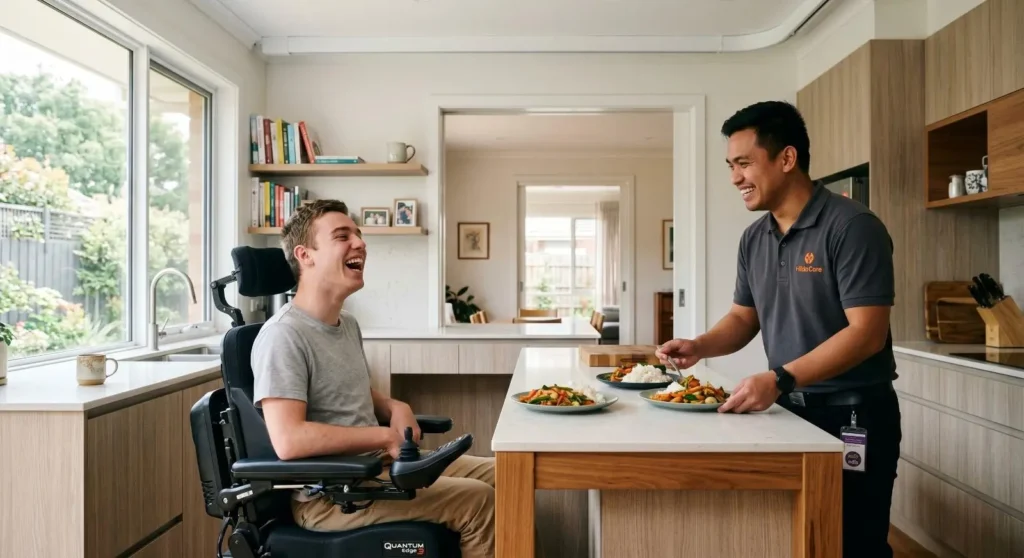
SIL provides support to help a participant manage daily life and develop or maintain independence. Depending on the participant’s approved supports, this can include assistance with:
- Personal care
- Meal preparation
- Household routines
- Daily activities
- Building independence
- Managing routines
- Staying safe at home
- Other everyday tasks identified in the participant’s support needs
SIL is focused on the assistance a person needs, rather than the physical characteristics of their home. A person receiving SIL can live in SDA housing, but they can also live in other suitable accommodation.

Do You Need SDA, SIL or Both?
This is where many people become confused. Needing support with daily activities does not automatically mean you need SDA. Likewise, needing specialist housing does not automatically mean you need SIL. Think about the two needs separately.
Do You Need a Specialist Home?
If your disability creates significant housing requirements that cannot reasonably be addressed through standard accommodation or appropriate modifications, SDA may be relevant.
The question is primarily about the suitability of your housing.
Do You Need Ongoing Daily Support?
If you need regular assistance from support workers to manage daily living and maintain independence, SIL may be relevant.
The question is primarily about the support you need each day.
Do You Need Both?
Some participants need both a specialist home and substantial daily support.
In that situation:
SDA provides the appropriate housing environment.
SIL provides the assistance needed to live in that environment.
One does not replace the other.
SDA Without SIL: Is That Possible?
Yes. SDA does not automatically come with SIL.
A participant may need specialist accommodation because of their physical, accessibility, or other housing requirements while managing many daily activities independently.
They may use informal support or another funded support arrangement rather than SIL.
This is why SDA eligibility and daily support needs should not be treated as the same thing.
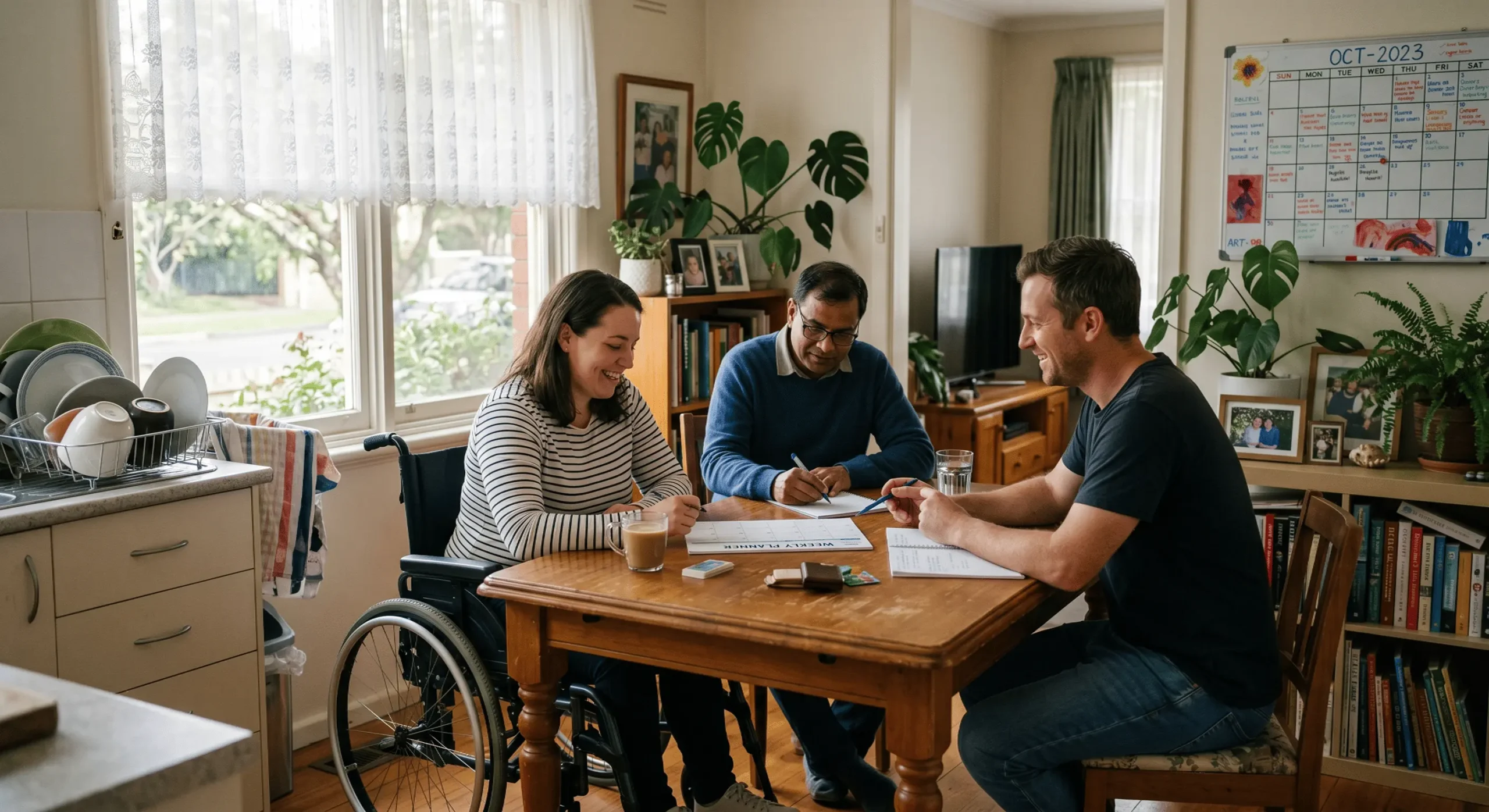
SIL Without SDA: Is That Possible?
Yes. A participant can receive SIL while living in accommodation that is not SDA.
For example, someone may require regular assistance with personal care, household routines or other daily activities but have housing that already meets their physical and accessibility requirements.
In this situation, the NDIS funding relates to the support they require rather than specialist accommodation.
Needing SIL therefore does not automatically mean you need specialist SDA housing.
How SDA and SIL Work Together
For participants who need both, SDA and SIL address two different parts of everyday life.
The SDA home provides the physical environment.
SIL provides the assistance needed to live in that environment.
For example, a participant might live in an SDA property with suitable accessibility features while receiving support workers to assist with daily routines.
The participant therefore has two separate arrangements, even though they work together in practice. This distinction matters when discussing your NDIS plan because approval for one support does not automatically approve the other.
Does Your SDA Home Determine Your SIL Support?
No. Your SDA design category does not automatically determine the amount of SIL support you receive. A participant living in High Physical Support SDA does not automatically receive 24-hour SIL simply because of the property’s design category. Likewise, someone receiving SIL does not automatically require specialist SDA housing. Your housing requirements and daily support requirements are considered separately.
A useful way to look at it is:
SDA asks:
What type of specialist housing do I need?
SIL asks:
What assistance do I need to live each day independently?
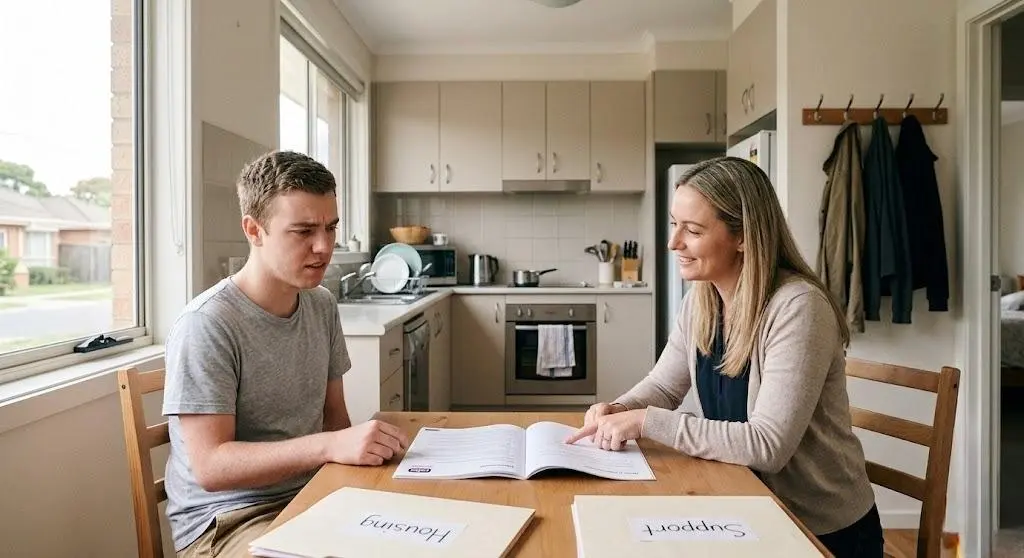
Can SDA and SIL Have Different Providers?
Yes. You do not have to use the same organisation for your SDA and SIL.
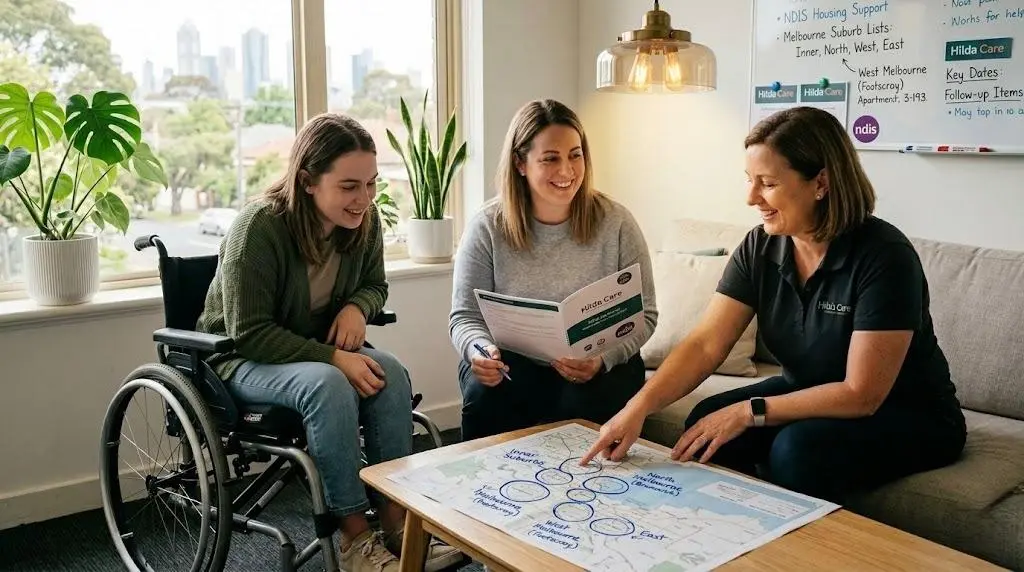
For example, you could live in an SDA property managed by Hilda Care while receiving SIL from another provider. This gives participants greater choice over their housing and support arrangements.
Using separate providers can also be useful when you’re happy with your home but want to change your support provider, or when you want to explore different housing without changing your existing support arrangement.
If you use different providers, clear communication between them is important so housing and support arrangements work together properly.
Can You Change SIL Without Moving From SDA?
Generally, your SIL and SDA arrangements are separate. If your SDA home continues to meet your needs but you want to change your support provider, changing SIL does not automatically mean changing your home.
Similarly, if your housing needs change, you can explore different SDA options without automatically changing your SIL provider.
Your support coordinator can help you understand what needs to happen when changing either arrangement and plan the transition with the relevant providers.

What Do You Pay for SDA and SIL?
SDA and SIL have different financial arrangements.
If You Receive SDA
The NDIS contributes toward the SDA dwelling.
You also have your own housing and living costs, including the applicable Reasonable Rent Contribution and ordinary expenses such as food and utilities.
If You Receive SIL
SIL funding relates to the approved support you receive.
It does not pay your ordinary rent, groceries or general household expenses.
If You Receive Both
You have both arrangements at the same time:
- SDA funding relates to the specialist home.
- SIL funding relates to your support.
- Your Reasonable Rent Contribution relates to your SDA housing.
- Your ordinary living expenses remain your responsibility.
For a detailed explanation of how SDA funding works, see our SDA Funding Explained guide.
How Are SDA and SIL Decided?
Although the evidence used for SDA and SIL can sometimes overlap, they are not the same funding decision.
SDA considers whether a participant meets the requirements for specialist disability accommodation and needs a suitable specialist housing solution.
SIL considers the participant’s need for support with daily living and independence.
This means a Functional Capacity Assessment can be relevant to discussions about both, but the evidence needs to explain the specific need being considered.
What If Your Needs Change?
Your housing needs and support needs can change at different times. For example, your SIL requirements could increase while your current SDA home remains suitable. Alternatively, your daily support needs could stay the same while your current housing becomes unsuitable because your physical or accessibility requirements have changed.
Because SDA and SIL are separate supports, a change in one does not automatically mean the other changes. If your circumstances change, speak with your support coordinator, LAC or relevant NDIS contact about the appropriate review or change process.
SDA vs SIL: Which One Is Right for You?
There isn’t one answer for everyone.
SDA may be relevant when the main issue is the suitability of the home itself.
SIL may be relevant when the main issue is how much daily assistance you need.
Both may be relevant when you need specialist housing as well as substantial daily support.
If you’re still unsure, start by identifying what you need from your home and what support you need each day.
That gives your occupational therapist, support coordinator, LAC and other relevant professionals a clearer picture of what needs to be considered.
Frequently Asked Questions About SDA and SIL
Can I move into SDA housing before my SIL is approved?
SDA and SIL are separate supports, so the timing of one does not automatically determine the other. If SDA is already approved and you have found a suitable property, discuss your support arrangements early so any required daily assistance is in place when you move.
Can I live with other people who receive SIL but not receive SIL myself?
Yes. People living in the same home can have different NDIS funding and support arrangements. Your SIL funding depends on your individual support needs and circumstances, not the supports another resident receives.
Can two people sharing an SDA home have different support arrangements?
Yes. Participants in the same SDA dwelling can have different levels and types of support. One resident might receive SIL while another uses different supports or manages more independently.
Does moving into SDA change my existing NDIS supports?
Moving into an SDA property does not automatically change your other NDIS supports. However, your new living arrangement can affect how existing supports are delivered, so it is important to plan the transition with your support team.
Can I choose my SDA home and my SIL provider separately?
Yes. Your housing choice and support choice can be considered separately. You can look for an SDA property that suits your housing needs while also choosing support arrangements that suit your daily routine and preferences.
What happens to my SIL if I move to a different SDA home?
Your SIL does not automatically end because you change SDA properties. Before moving, confirm that your existing support provider can service the new location and that your current support arrangements still meet your needs.
Can family members provide the support instead of SIL?
Family or other informal supports can be part of a person’s overall support arrangements. Whether funded SIL is appropriate depends on the participant’s individual circumstances, support requirements and NDIS funding.
Does an SDA home come with support workers already living there?
Not necessarily. SDA is the accommodation component, while support services are arranged separately. The support model at a particular property depends on the participants living there and their individual support arrangements.
Can I choose where I live if I have SDA funding?
SDA funding does not mean every SDA property will be suitable for you. Your available options depend on factors such as your approved requirements, the relevant design category, location and vacancies. You can compare suitable properties and choose an option that works for your circumstances.
What should I discuss before choosing an SDA and SIL arrangement?
Consider how the home, support, privacy, routines, household arrangements and location will work together. It is also worth discussing your preferences with your support coordinator and checking that the proposed support arrangement fits your actual daily routine before committing to a property.
Need Help Understanding Your SDA Options?
If you’re trying to work out whether SDA, SIL or both could be relevant to your situation, start by separating your housing requirements from your daily support needs.
Hilda Care can explain our SDA housing options and what to consider when looking for specialist accommodation.
Hilda Care is a registered NDIS provider (Provider Registration Number 4050126032).