

- 53+ Reviews on Google
- Multilingual Team
- Registered NDIS Provider #4050126032
High Physical Support SDA Housing in Melbourne
High Physical Support (HPS) SDA is a Specialist Disability Accommodation category for participants with very high physical support needs who require specialised features in their home. It is designed for people with significant physical impairment, including participants who need substantial assistance with daily activities. Hilda Care owns and manages High Physical Support SDA homes across Melbourne.

What Is High Physical Support SDA?
High Physical Support SDA builds on the Fully Accessible design category and includes additional design features for participants with very high physical support needs. These requirements include wider access and circulation spaces, structural provisions for ceiling hoists, features that support the use of mobility equipment, and other specialised design requirements set out in the SDA Design Standard.
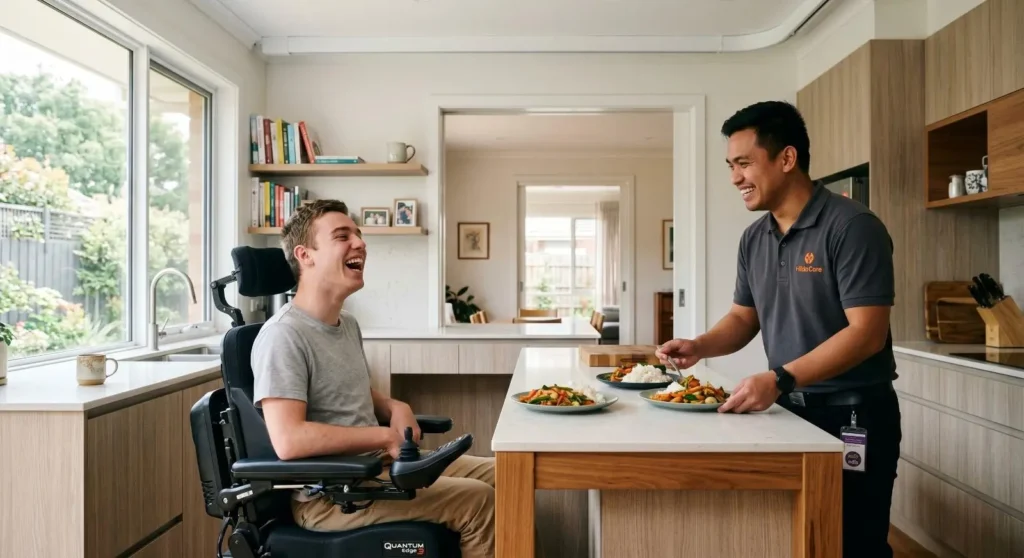
Some HPS properties may also include features such as an installed ceiling hoist, height-adjustable fittings or backup power. These features can vary between properties, so check the individual property details when comparing homes.
Property features and personal equipment are separate. A participant’s wheelchair, personal hoist or other mobility equipment is not automatically included with SDA housing and is considered separately under the participant’s individual funding and equipment needs.
High Physical Support SDA is generally relevant to participants whose physical support needs require specialised design features in their home. Wheelchair and mobility equipment use is common among participants in this category, but eligibility is based on individual functional needs rather than a particular diagnosis or type of equipment.
Before a property can be enrolled as SDA, it is assessed against the relevant SDA Design Standard by an accredited SDA assessor. The property is then enrolled with the NDIS under the applicable design category. Once enrolled, the property can be used to deliver SDA to eligible participants with SDA funding.
Who This Category Typically Suits
High Physical Support SDA is relevant to participants with significant physical impairment that affects mobility and daily activities. People with conditions such as spinal cord injury, muscular dystrophy or cerebral palsy may require this level of housing, but diagnosis alone does not determine eligibility. The NDIA considers each participant’s individual functional needs and housing requirements.
High Physical Support SDA Homes in Melbourne
Hilda Care owns and manages High Physical Support SDA homes across Melbourne. As the registered SDA provider, we’re responsible for the property itself. Support services such as Supported Independent Living are separate from the SDA property and depend on each participant’s individual needs and funding.
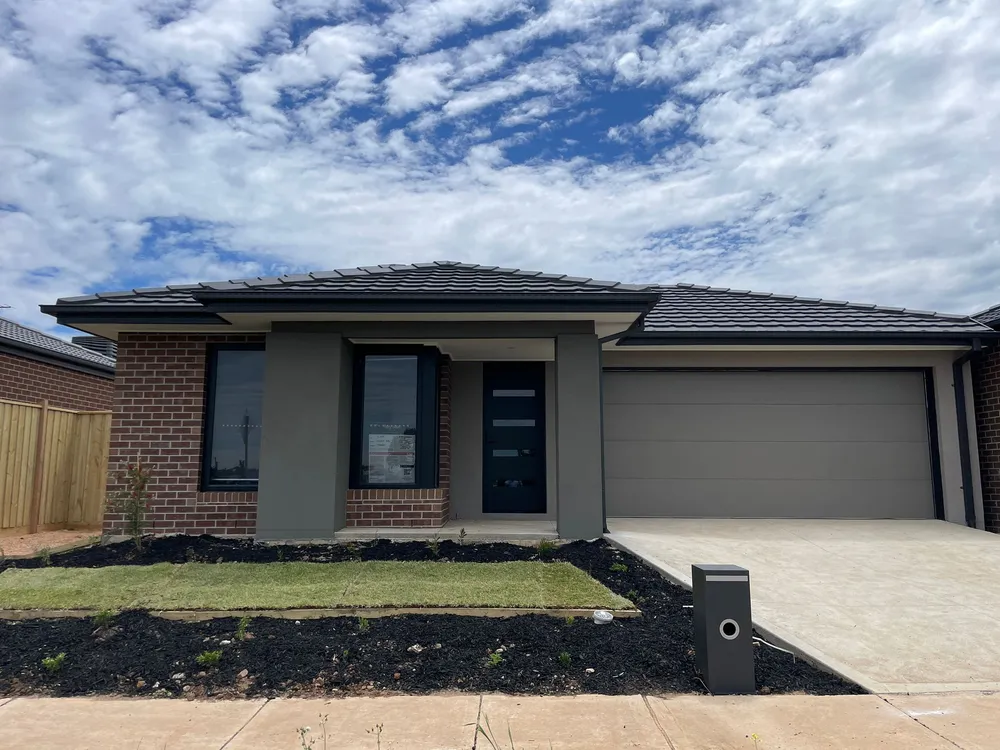
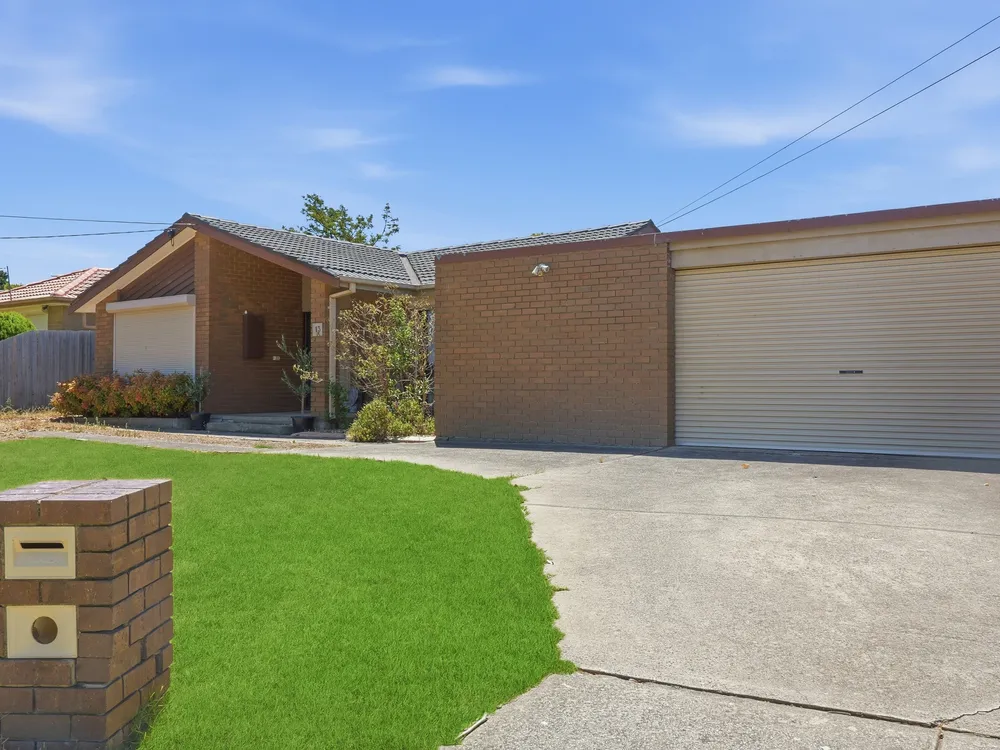
Current High Physical Support SDA Vacancies in Melbourne
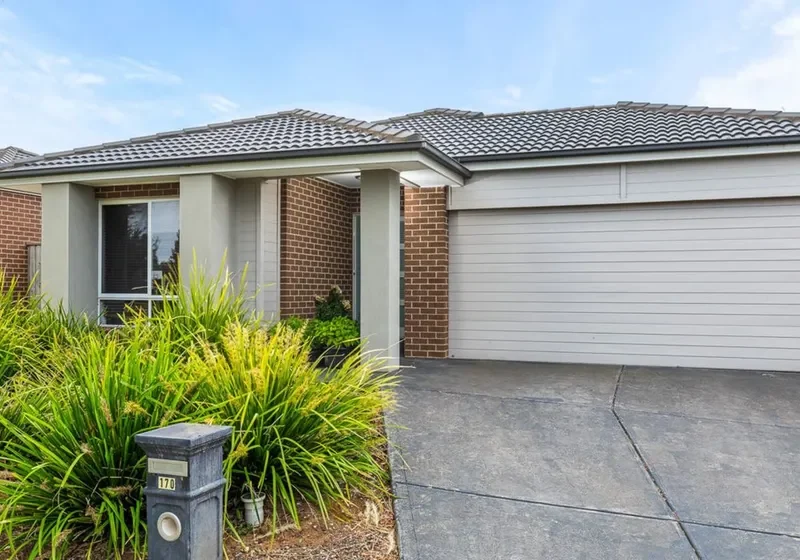
Availability changes as homes are tenanted, and new properties are enrolled. If no suitable vacancy is available, we can keep your details and contact you when a property matching your needs becomes available.
Design Category and Dwelling Type
High Physical Support is the SDA design category, while house, villa, duplex and apartment describe the dwelling type. They are separate parts of the SDA property classification. A High Physical Support home can be provided in different dwelling types, depending on the property.
Eligibility for High Physical Support SDA
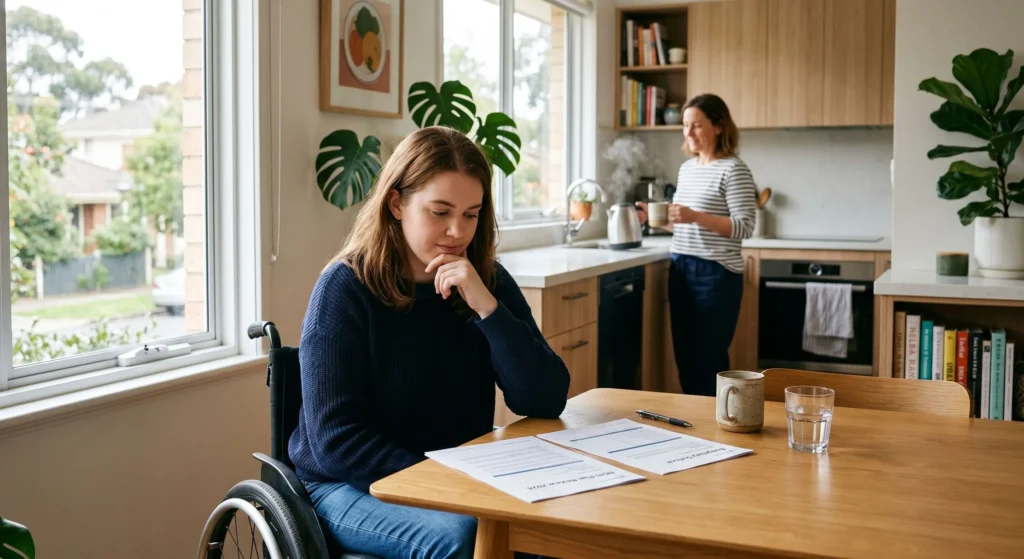
Evidence can include a Functional Capacity Assessment from an occupational therapist and supporting reports from the participant’s treating team. The evidence should explain the person’s functional needs, how those needs affect their housing requirements, and why suitable SDA is needed. The evidence required depends on the individual’s circumstances, and the NDIA makes the final funding decision.
SDA and SIL: What's the Difference
SDA funding pays for the Specialist Disability Accommodation itself. It does not pay for day-to-day support or personal care.
SIL is separate from SDA and helps fund daily living support. A participant can have SDA without SIL, SIL without SDA, or both, depending on their individual circumstances and NDIS funding.
If you’re unsure how SDA fits with your other NDIS supports, we can explain how the housing and support arrangements work when you enquire.
Do You Pay Rent in SDA Housing?
Yes. Participants in SDA housing generally contribute towards the cost of their accommodation through a Reasonable Rent Contribution. The amount is set under the NDIS pricing and rent rules and can change when the relevant rates are updated. Check the current NDIS SDA pricing information or confirm the amount with your plan manager before relying on a specific figure.
What to Expect When You Contact Hilda Care
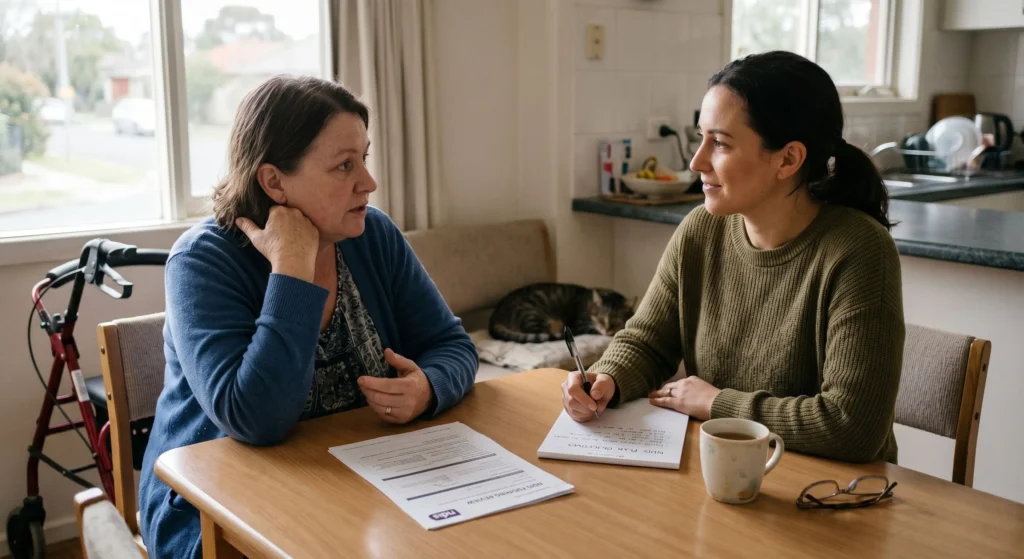
Every enquiry starts with a conversation about your situation and what you need from your home.
- Tell us about your current situation and housing needs.
- We discuss your SDA funding status.
- We identify properties that may suit your needs.
- If there is a suitable property, we arrange a viewing.
- You take the time you need to decide.
Take the time you need to ask questions and decide whether the property is right for you.
Choosing a High Physical Support SDA Home
Choosing a High Physical Support SDA home is about more than finding a property with the right design category. The home also needs to work for your day-to-day life, mobility needs, support arrangements and location.
What to Check When Viewing an HPS Home
When you view a property, focus on how the home meets your specific needs rather than relying only on the property description. Check:
- Bedroom and bathroom access: Is there enough space for your wheelchair, hoist or other mobility equipment?
- Hoist requirements: If you use a hoist, check whether the home has the structural provision you need and whether a hoist is already installed.
- Kitchen and living areas: Can you comfortably use the kitchen, benches, appliances and other everyday spaces?
- Doors and circulation areas: Can you move through the home easily with your usual mobility equipment?
- Property layout: Consider whether the bedroom, bathroom, kitchen and living areas are positioned in a way that works for your daily routine.
- Shared or single occupancy: Check whether you would live alone or with other participants and what the household arrangement looks like.
- Location: Consider access to family, public transport, healthcare, shopping, community activities and your existing support network.
- Support arrangements: Make sure you understand how your SDA and other supports, such as SIL, will work together.
The exact features available will depend on the individual property, so ask Hilda Care for the current details of the home you are considering.
If the Home Is Shared
If the property is shared with other participants, the people you live with can be just as important as the physical design of the home.
Where possible, ask about the current household and meet prospective housemates before deciding. Consider whether the household feels comfortable, whether the routines are compatible and whether the shared areas suit how you like to live.
The NDIS also recognises participant choice when selecting an SDA home and considers compatibility important in shared living arrangements.
Take Time to Compare Your Options
You do not have to choose a property simply because it is classified as High Physical Support. Compare the home’s features, layout, location, household arrangement and available supports against what you actually need.
If you are unsure whether a particular property is suitable, ask questions before deciding. Hilda Care can explain the features of an available home and arrange a viewing where appropriate.

 Posted on Google
 Omar Soliman
Trustindex verifies that the original source of the review is Google.
Really happy with the support I’m getting. Everyone is friendly, easy to talk to, and actually listens. I feel supported and comfortable. Would definitely recommend.Posted on Google WarrenI have found the services to be unbelievably great in my situation. I recommend the services to everyone who wants to be taken care of in Melbourne.Posted on Google
 Amira MoussaI’m so grateful for the care and support I receive from Hilda Care. I’ve always felt respected, valued, and genuinely listened to. The team is kind, patient, and supportive, and communication is always clear! I honestly feel lucky to be part of a service that truly cares about their clients. Thank you!!!Posted on Google
 Omar Moussa (omzy96)Lovely NDIS provider providing support throughout all of Melbourne. I have personally recieved support through Hilda Care for the past 6 months roughly. Their administration is top notch. They have gone above and beyond providing personalised support workers for my needs, have promptly resolved any issues I may have and they always try their best to deliver extra services that may help me with my needs and support. Thank you Hilda Care, you've made my transition into the NDIS as seamless as possible, and I really look forward for the years ahead 😊Posted on Google
 Grahm WatsonThanks for looking after me in SIL house in Burnside Heights. Management is excellent. Happy is looking after me very well. ThanksPosted on Google
 Kim Fleming
Trustindex verifies that the original source of the review is Google.
My experience dealing with this organisation has been very disappointing. They seem unorganised, unprofessional arrogant and downright disrespectful of peoples time.Posted on Google Divyanshu SethiHilda Care is outstanding. As a Support Coordinator, I’ve had situations where I needed a Support Worker at the very last minute for my cleints, and they delivered without hesitation. Not once or twice but always. They found the right person within hours and made sure the client felt safe and supported. They have paid heed to client’s feedback and tweaked their services accordingly everytime. Their staff are well trained, reliable, and always go above and beyond to meet client needs. It’s clear they genuinely put clients first. Highly recommended.Posted on Google
 Tommy NjegacThank you Hilda care for providing me services in caroline springs. Harry is amazing support worker. He really understands me well and my needs. God bless your company.Posted on Google
 Yasemin YakupThis is one of the most reliable and compassionate disability service providers we’ve worked with. Their communication is clear. The support workers show great understanding and patience, especially during challenging moments. They make everyday routines more enjoyable and less stressful for everyone involved. We feel very lucky to have them on our side.Verified by TrustindexTrustindex verified badge is the Universal Symbol of Trust. Only the greatest companies can get the verified badge who has a review score above 4.5, based on customer reviews over the past 12 months. Read more
Frequently Asked Questions
What is High Physical Support SDA?
High Physical Support SDA is one of the four NDIS SDA design categories. It is designed for participants with very high physical support needs who require specialised features in their home. The HPS design category has specific requirements under the SDA Design Standard.
Who may be eligible for High Physical Support SDA?
Eligibility is assessed by the NDIA based on your individual functional needs, support needs and housing requirements. A particular diagnosis or use of a wheelchair does not automatically determine eligibility. The NDIA considers whether you meet the requirements for SDA funding based on your individual circumstances.
What features are included in High Physical Support SDA homes?
HPS homes are designed to meet the requirements of the High Physical Support category under the SDA Design Standard. The exact features can vary between properties. Ask about the specific features of the home you are considering, including its accessibility, hoist provisions, layout and other specialised design features.
Where can I find High Physical Support SDA homes in Melbourne?
Hilda Care has High Physical Support SDA homes across selected Melbourne locations. The property listings above show current properties, suburbs, dwelling types, and availability. Availability changes as homes become available and are tenanted, so contact Hilda Care to confirm which properties are currently suitable.
How is SDA different from SIL?
SDA pays for the Specialist Disability Accommodation itself. SIL is separate NDIS funding that pays for daily living support. A participant can have SDA without SIL, SIL without SDA, or both, depending on their individual circumstances and NDIS funding.
Do I need SIL to live in High Physical Support SDA?
No. SDA and SIL are separate supports. Some participants have both, while others may have SDA with a different support arrangement or no SIL funding. Your support arrangement depends on your individual needs and NDIS funding.
Can I choose which SDA home I live in?
Yes. Participants can choose where they live and which SDA provider they use, subject to finding a suitable property and meeting the relevant funding requirements. The NDIA does not place or automatically match participants with an SDA dwelling.
Can I view a High Physical Support SDA home before deciding?
Yes. If a suitable HPS property is available, Hilda Care can arrange a viewing so you can see the layout and features before deciding whether the home is right for you.
What does High Physical Support SDA cost me?
SDA funding covers the accommodation itself, while participants generally pay a Reasonable Rent Contribution and other day-to-day living costs. The amount that can be charged is subject to the NDIS rules and maximum reasonable rent contribution. Your service agreement or tenancy agreement should set out the applicable amount.
Can I live alone in High Physical Support SDA?
Some SDA arrangements allow a participant to live alone, while other homes are shared with a small number of other participants. The right arrangement depends on the property, your needs and the available housing options.
How can I enquire about a High Physical Support SDA home in Melbourne?
Call 1300 440 777 or use the enquiry form below. Hilda Care can discuss your needs, explain the current properties available and arrange a viewing where there is a suitable home.