

- 53+ Reviews on Google
- Multilingual Team
- Registered NDIS Provider #4050126032
Improved Liveability SDA Housing in Melbourne
Improved Liveability SDA is specialist housing for NDIS participants whose disability affects how they process, understand or navigate their surroundings. The design focuses on making the home easier to understand and use, with features that support wayfinding, sensory needs and everyday independence.
Hilda Care owns and manages Improved Liveability SDA homes across Melbourne. Eligible participants can be housed within 14 days when a suitable property is available, and the required arrangements are in place.

Is Improved Liveability SDA the Right Type of Home?
Improved Liveability is one of the four SDA design categories under the NDIS. It is designed around the needs of people with sensory, intellectual or cognitive disabilities.
This category differs from SDA that focuses mainly on physical accessibility.
For example, a participant may need a home that:
- is easier to understand and navigate
- has clear visual distinctions between important areas
- reduces unnecessary visual complexity
- supports sensory needs
- makes everyday fixtures and controls easier to identify and use
- provides an environment that works with the person’s communication and cognitive needs
Improved Liveability does not mean that every property will have the same layout or the same features. The actual design depends on the individual dwelling and the requirements under which it was enrolled.
The NDIS describes Improved Liveability as housing with better physical access and features for people with sensory, intellectual or cognitive impairments.
What Does Improved Liveability Look Like in Practice?
The value of an Improved Liveability home is often in the small details of how the environment works day to day.
Clearer Wayfinding
A home can be easier to navigate when important areas, doors and pathways are visually distinct. This can help a participant understand where they are and where they need to go without relying entirely on memory or verbal prompts.
Sensory Considerations
Lighting, colours, surfaces, noise and visual clutter can all affect how comfortable someone feels in their home. An Improved Liveability property is designed with relevant sensory and cognitive needs in mind rather than treating these features as an afterthought.
Easier Everyday Use
The way switches, fittings and other features are positioned and identified can affect how independently someone uses their home. Good design should make everyday tasks easier to understand and carry out.
A Home That Supports Routine
For some participants, familiarity and consistency are important parts of feeling comfortable at home. A straightforward layout and predictable environment can make everyday routines easier to establish.
The exact features vary between properties. When comparing homes, look at the actual dwelling rather than assuming that every Improved Liveability property offers the same fit-out.
Improved Liveability Compared With Other SDA Categories
The four SDA categories address different housing needs.
| SDA category | Main focus |
|---|---|
| Improved Liveability | Sensory, intellectual and cognitive support needs |
| Fully Accessible | High levels of physical accessibility |
| High Physical Support | Very high physical support needs and additional specialist features |
| Robust | Strong, durable housing for participants with complex support needs |
This means Improved Liveability is not simply a lower level of Fully Accessible SDA.
For example, someone who uses a wheelchair may need Fully Accessible or High Physical Support SDA, depending on their assessed needs. Someone whose primary housing needs relate to cognition, sensory processing or intellectual disability may be better suited to Improved Liveability.
The correct category is based on the participant’s individual circumstances and NDIS assessment, not simply their diagnosis or the type of equipment they use.
Improved Liveability SDA Homes in Melbourne
Hilda Care owns and manages Improved Liveability SDA homes across Melbourne and provides the SDA directly.
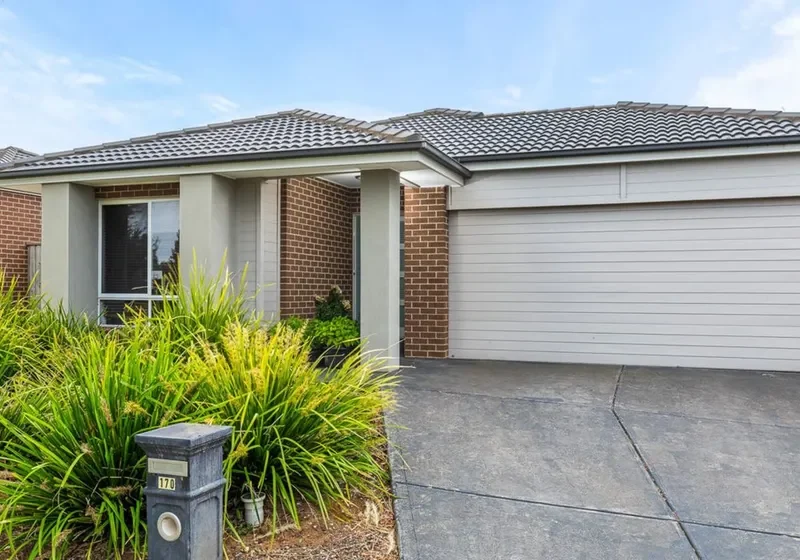
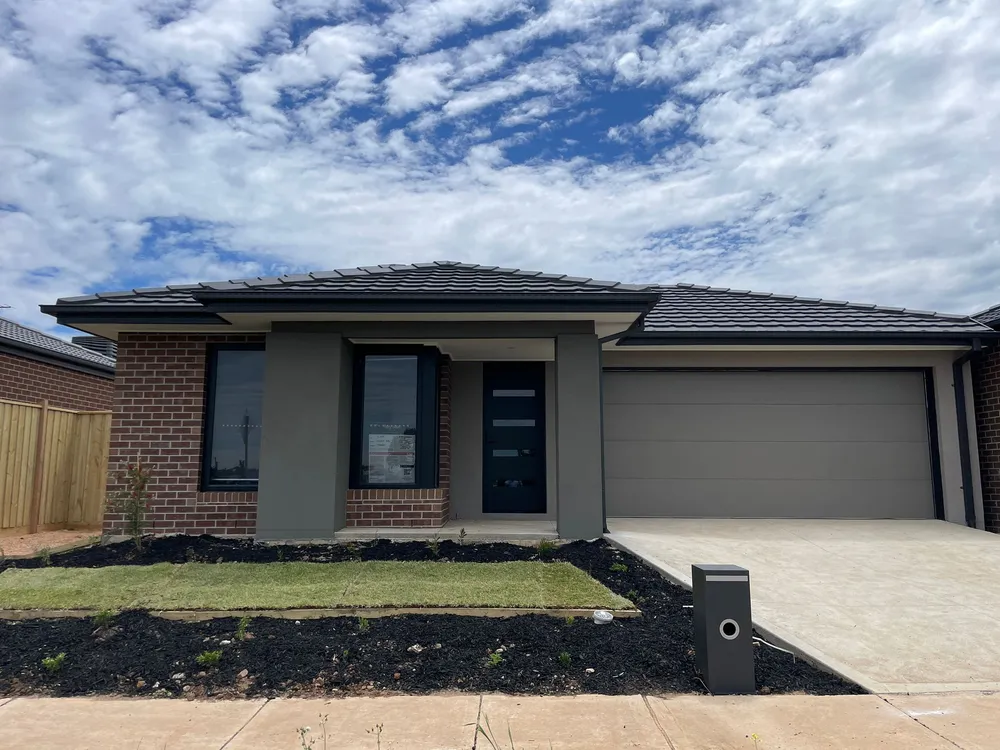
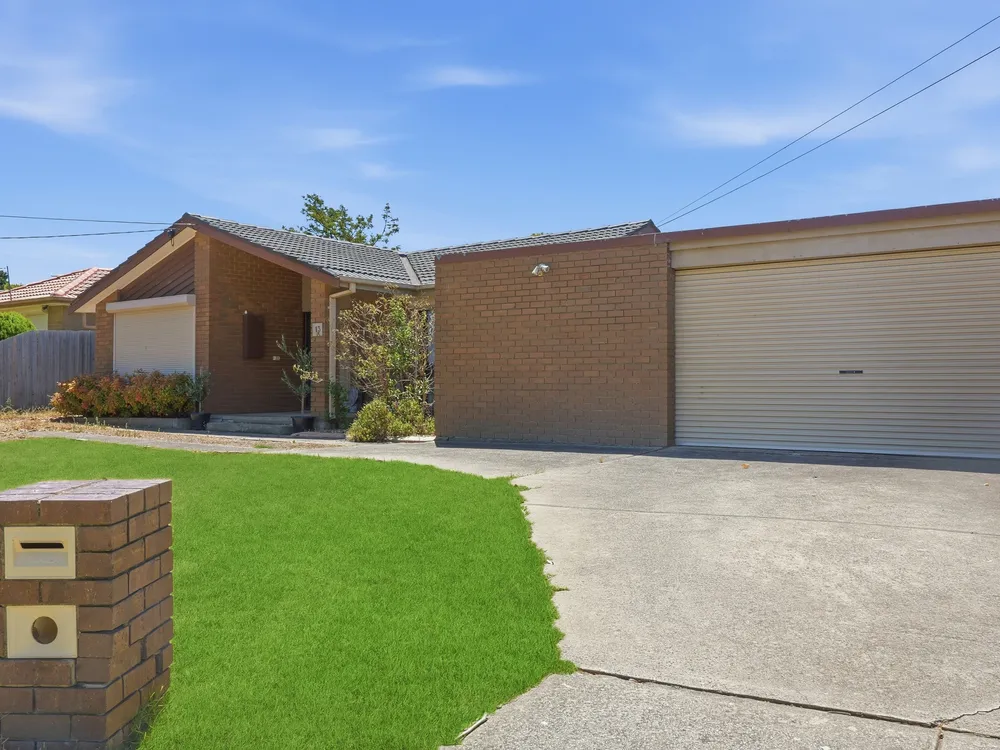
Our available homes can differ in suburb, dwelling type, layout and individual features, so we focus on finding a property that works for the person rather than treating every Improved Liveability home as interchangeable.
Current Improved Liveability SDA Vacancies
If you are looking for an Improved Liveability home, we can discuss your preferred location, current SDA funding, living arrangement and the features that matter most to you.
Where a suitable property is available, and the required arrangements are in place, Hilda Care can house eligible participants within 14 days.
Improved Liveability SDA Homes Currently Available
Melbourne properties available through Hilda Care include:
What Makes a Good Improved Liveability Home for You?
The SDA category is only one part of choosing a home.
Before deciding, consider how the property fits the participant’s actual routine.
Think About the Environment
Ask whether the lighting, noise levels, colours, layout and general atmosphere are suitable for the participant.
A home that looks good in photographs may feel very different when you are actually inside it.
Look at How Easy the Home Is to Navigate
Walk through the property and consider whether the participant can understand where important rooms and areas are.
Pay attention to entrances, bedrooms, bathrooms, kitchens, and shared areas.
Consider the Living Arrangement
Find out whether the home is shared or single-occupancy.
If it is shared, ask how many people live there, what the shared areas are like, and whether you can meet prospective housemates before moving.
Don’t Forget the Location
The home needs to work outside the property as well.
Consider access to:
- family and friends
- existing support workers
- allied health services
- public transport
- shops
- community activities
- regular appointments
A well-designed home in the wrong location can still create practical problems.
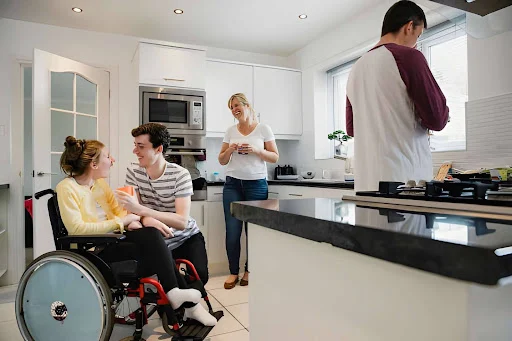
SDA and Your Support Services Are Separate
Choosing an Improved Liveability SDA home does not mean you have to receive all your other supports from the same organisation.
SDA funds the specialist accommodation.
Other NDIS funding can cover supports such as:
- Supported Independent Living
- Personal Care
- Community Participation
- Skill Development
- Other Approved Supports
Your support arrangements are separate from the SDA property.
This gives participants the ability to make decisions about their housing and support based on their own needs and preferences.
Who Can Get Improved Liveability SDA?
The NDIA decides whether a participant meets the requirements for SDA funding.
Improved Liveability may be relevant to participants with significant disability-related needs involving cognition, sensory processing, intellectual disability or similar functional challenges.
The assessment is based on the person’s individual circumstances rather than a diagnosis alone.
Evidence may include information from an occupational therapist and other professionals involved in the participant’s care or support. The evidence should explain the person’s functional needs and why specialist housing is required.
Hilda Care does not decide whether someone is eligible for SDA. The NDIA makes the funding decision.
If you already have SDA funding, we can help you look for a suitable Improved Liveability home.
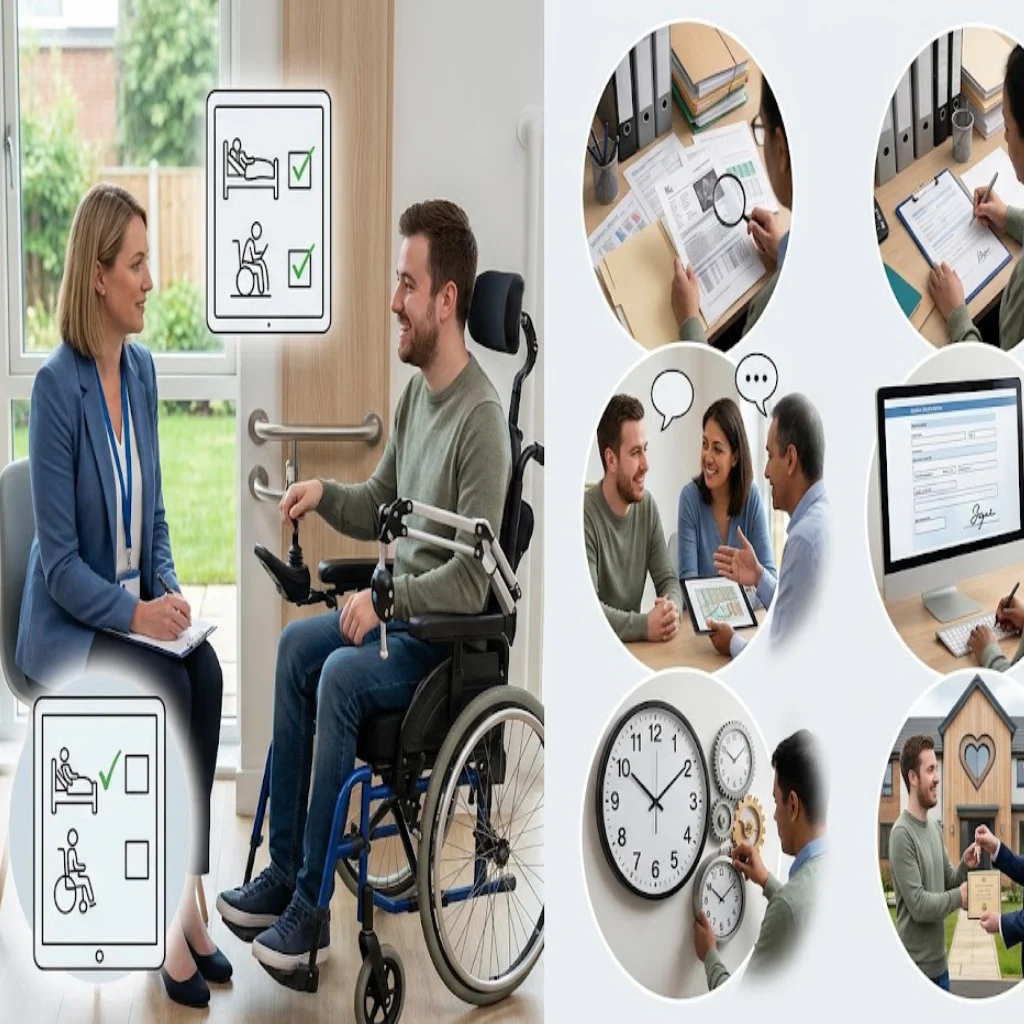
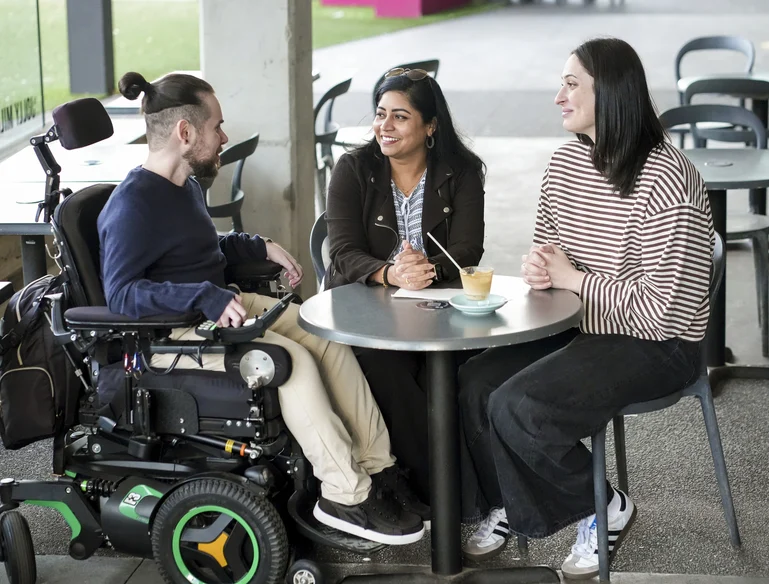
Can You Modify Your Current Home Instead?
SDA is not the only possible housing solution.
Some participants can remain in their current home with appropriate home modifications or other supports.
For example, a participant may be able to make practical changes to an existing home where the property is suitable, and the required modifications can reasonably be completed.
SDA becomes relevant when a participant’s housing needs cannot be properly addressed through their current living arrangement and specialist housing is required.
An occupational therapist and your NDIS planning team can help assess which option is appropriate for your circumstances.
What Does Improved Liveability SDA Cost?
SDA funding covers the specialist accommodation. It does not cover support workers or ordinary day-to-day living costs.
Participants also pay a reasonable rent contribution to the SDA provider, along with other ordinary household costs that apply to their living arrangement.
The maximum reasonable rent contribution is set under the NDIS SDA pricing arrangements and can change when the NDIS updates its rates.
Your SDA agreement or tenancy agreement should explain the amount that applies to you before you move in.
The current NDIS SDA pricing arrangements for 2026–27 are available from the NDIS.
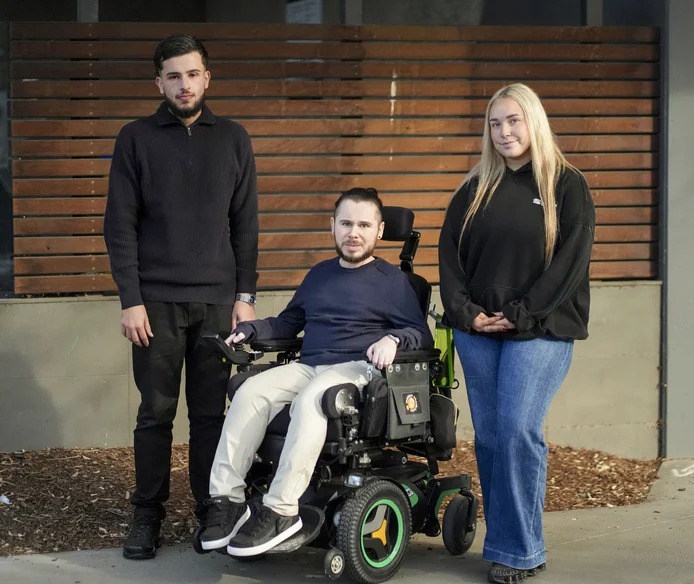
From Enquiry to Moving In
You don’t need to have every part of your housing situation worked out before contacting Hilda Care.
1. Tell us what you’re looking for
We’ll discuss your current situation, preferred location, SDA funding and the type of living arrangement you’re considering.
2. Look at suitable homes
We’ll identify available Improved Liveability properties that match your requirements.
3. Visit the property
Where a suitable home is available, you can view it and ask questions about the property and living arrangement.
4. Make your decision
Take the time you need to decide whether the property is right for you.
5. Plan the move
Once you decide to proceed and the required arrangements are in place, we work through the next steps with you.
Making the Move Easier
Moving into a new home can be a significant change, particularly for someone who relies on familiar surroundings and routines.
A little preparation can make the transition easier.
Before moving, consider:
- visiting the property before moving day
- taking photographs of important areas of the home
- keeping familiar routines where possible
- setting up familiar belongings in the participant’s private space first
- explaining the move in a way the participant understands
- involving existing support workers or family members in the transition
- planning transport and appointments around the move
- making sure important support arrangements continue during the transition
There is no single way to manage a move. The right approach depends on the participant and what helps them feel comfortable and prepared.
What to Understand Before Choosing a Home
Before agreeing to an Improved Liveability SDA property, make sure you understand the practical details.
- The property: What features does it actually have? Does the layout work for the participant?
- The living arrangement: Is it shared or single-occupancy? If shared, who else lives there?
- The location: Is it close enough to family, transport, supports, appointments and everyday activities?
- The rent and other costs: What is the reasonable rent contribution? What other household costs will you be responsible for?
- Your support arrangements: Which supports are provided separately from the SDA property?
- The agreement: Read the tenancy or residency agreement carefully before signing. If anything is unclear, ask your support coordinator or obtain independent advice.
 Posted on Google
 Omar Soliman
Trustindex verifies that the original source of the review is Google.
Really happy with the support I’m getting. Everyone is friendly, easy to talk to, and actually listens. I feel supported and comfortable. Would definitely recommend.Posted on Google WarrenI have found the services to be unbelievably great in my situation. I recommend the services to everyone who wants to be taken care of in Melbourne.Posted on Google
 Amira MoussaI’m so grateful for the care and support I receive from Hilda Care. I’ve always felt respected, valued, and genuinely listened to. The team is kind, patient, and supportive, and communication is always clear! I honestly feel lucky to be part of a service that truly cares about their clients. Thank you!!!Posted on Google
 Omar Moussa (omzy96)Lovely NDIS provider providing support throughout all of Melbourne. I have personally recieved support through Hilda Care for the past 6 months roughly. Their administration is top notch. They have gone above and beyond providing personalised support workers for my needs, have promptly resolved any issues I may have and they always try their best to deliver extra services that may help me with my needs and support. Thank you Hilda Care, you've made my transition into the NDIS as seamless as possible, and I really look forward for the years ahead 😊Posted on Google
 Grahm WatsonThanks for looking after me in SIL house in Burnside Heights. Management is excellent. Happy is looking after me very well. ThanksPosted on Google
 Kim Fleming
Trustindex verifies that the original source of the review is Google.
My experience dealing with this organisation has been very disappointing. They seem unorganised, unprofessional arrogant and downright disrespectful of peoples time.Posted on Google Divyanshu SethiHilda Care is outstanding. As a Support Coordinator, I’ve had situations where I needed a Support Worker at the very last minute for my cleints, and they delivered without hesitation. Not once or twice but always. They found the right person within hours and made sure the client felt safe and supported. They have paid heed to client’s feedback and tweaked their services accordingly everytime. Their staff are well trained, reliable, and always go above and beyond to meet client needs. It’s clear they genuinely put clients first. Highly recommended.Posted on Google
 Tommy NjegacThank you Hilda care for providing me services in caroline springs. Harry is amazing support worker. He really understands me well and my needs. God bless your company.Posted on Google
 Yasemin YakupThis is one of the most reliable and compassionate disability service providers we’ve worked with. Their communication is clear. The support workers show great understanding and patience, especially during challenging moments. They make everyday routines more enjoyable and less stressful for everyone involved. We feel very lucky to have them on our side.Verified by TrustindexTrustindex verified badge is the Universal Symbol of Trust. Only the greatest companies can get the verified badge who has a review score above 4.5, based on customer reviews over the past 12 months. Read more
Frequently Asked Questions
What is Improved Liveability SDA?
Improved Liveability SDA is one of the four NDIS Specialist Disability Accommodation design categories. It is designed for participants with sensory, intellectual or cognitive disabilities who need a home with features that make the environment easier to understand, navigate and use.
Is Improved Liveability SDA only for people with autism?
No. Improved Liveability SDA is not limited to autism. It can be relevant to people with intellectual, cognitive or sensory disabilities where their individual functional needs require this type of specialist housing.
The NDIA assesses eligibility based on the participant’s individual circumstances.
What features are included in Improved Liveability SDA?
Features vary between properties. Improved Liveability homes are designed around needs such as easier wayfinding, clearer visual distinctions and an environment that supports people with sensory, intellectual or cognitive disabilities. The exact features will be confirmed for the individual property.
Is a sensory-friendly home automatically Improved Liveability SDA?
No. A home described as sensory-friendly, autism-friendly or calming is not automatically SDA.
Improved Liveability SDA homes need to meet the relevant SDA requirements and be enrolled under the NDIS SDA framework. The NDIS Design Standard sets detailed requirements for SDA dwellings.
Do I need SDA funding before moving into an Improved Liveability home?
NDIS SDA funding is generally required for the NDIS to fund the SDA component of the property. If you already have SDA funding, Hilda Care can discuss available Improved Liveability homes with you.
If you do not yet have SDA funding, speak with your NDIS planner, support coordinator or LAC about your housing needs and whether SDA should be considered.
Can I have SIL in an Improved Liveability SDA home?
Yes. SDA and SIL are separate supports. SDA funds the specialist housing, while SIL funding is used for Supported Independent Living supports included in the participant’s plan.
You can choose your support arrangements separately from your SDA provider.
Can I choose where my Improved Liveability SDA home is located?
You can discuss your preferred location when looking for a property. Availability depends on where suitable SDA homes are located and whether a property meets your needs. Location should also be considered alongside access to family, transport, existing supports and regular activities.
Can I view an Improved Liveability SDA home before moving in?
Yes. Where a suitable Hilda Care property is available, we can arrange a viewing so you can see the home, understand its features and ask questions before deciding.
How quickly can I move into Improved Liveability SDA?
Hilda Care can house eligible participants within 14 days when a suitable property is available, and the required arrangements are in place.
The exact timing depends on the property, the participant’s circumstances and the arrangements required before the move.
How do I enquire about an Improved Liveability SDA home in Melbourne?
Call 1300 440 777 or submit an enquiry through the Hilda Care website.
We’ll discuss your housing needs, SDA funding, preferred location and current availability.
Find Improved Liveability SDA in Melbourne
The right SDA home needs to do more than meet a design category. It should make sense for the participant’s everyday life, from the layout and sensory environment inside the home to the location, living arrangement and support around it.
Hilda Care owns and manages Improved Liveability SDA homes across Melbourne.
Eligible participants can be housed within 14 days when a suitable property is available, and the required arrangements are in place.
If you’re still trying to understand whether SDA is appropriate for your situation, read our Specialist Disability Accommodation guide first.
Hilda Care is a registered SDA provider (4050126032). All properties are enrolled with the NDIS in accordance with the SDA framework.