

- 53+ Reviews on Google
- Multilingual Team
- Registered NDIS Provider #4050126032
How to Apply for SDA: A Step-by-Step Guide
Applying for Specialist Disability Accommodation (SDA) involves more than finding an SDA property. You first need to establish that SDA is appropriate for your circumstances, gather supporting evidence, submit a request to the NDIA and wait for a funding decision.
If SDA is approved, the next stage is to find a suitable SDA property and make arrangements to move in. If your request is declined, you also have options to have the decision reviewed.
This guide explains what to do at each stage, what happens after you submit your request, and what you can do if the decision is not in your favour.



Before You Apply: Know What You Are Asking the NDIA to Consider
Before starting the application process, make sure you understand what you are asking for.
SDA is specialist housing for eligible NDIS participants whose disability-related needs cannot be appropriately met through ordinary housing or reasonable housing modifications.
Your application needs to explain why specialist housing is required for your circumstances, supported by evidence.
You do not need to find an SDA property before making the funding request. At this stage, focus on your circumstances, your functional needs, and the type of housing required.
For a detailed explanation of the eligibility requirements themselves, see our SDA Eligibility Checklist.
Start With Your Current Housing Situation
Think about what is happening in your current home.
For example:
- Can you enter and move around the property safely?
- Can you use the bathroom, bedroom, and other essential areas?
- Does the property accommodate your mobility equipment?
- Are there safety issues that cannot reasonably be addressed through modifications?
- Do your current housing conditions create barriers to daily living?
- Does your current home continue to meet your needs as your circumstances change?
These details help your assessing professionals explain why ordinary housing is not sufficient.
Step 1: Arrange the Right Assessments
The next step is obtaining professional evidence about your functional and housing needs.
An occupational therapist (OT) is commonly involved in assessing how your disability affects your everyday functioning and what housing features are required.
Depending on your circumstances, the evidence may include a Functional Capacity Assessment, housing assessment or other specialist reports.
The key point is that the evidence must connect your functional needs to your housing requirements.
A report that only describes your diagnosis or medical history is unlikely to provide the complete picture the NDIA needs.
Choose an OT Who Understands SDA
SDA applications involve housing requirements as well as functional assessment.
Where possible, work with an OT who understands SDA and can clearly explain:
- how your disability affects your daily functioning
- the limitations of your current housing
- why ordinary housing is unsuitable
- what specialist housing features are required
- how those features relate to your actual functional needs.
Your support coordinator, LAC or other NDIS professional may be able to help you understand what assessments are appropriate for your situation.


Step 2: Build Your Supporting Evidence
Once your assessments are underway, gather other evidence to support your request.
This can include reports or letters from relevant professionals who understand your circumstances, such as:
- occupational therapists
- doctors and specialists
- physiotherapists
- psychologists
- other allied health professionals
- existing support providers
- people who can explain your current housing difficulties and support needs.
The evidence should be consistent and current. More documents do not automatically make an application stronger. What matters is whether the evidence clearly explains your circumstances and why you need SDA.
Make Sure the Evidence Tells the Same Story
One of the most important things to check before submitting is whether the information from different professionals is consistent.
For example, if your OT identifies particular accessibility requirements but other reports describe significantly different functional needs, this can make the application harder to understand.
Your evidence should present a clear picture of:
Your Disability → Your Functional Limitations → Your Housing Problems → Why Specialist Housing is Required
Step 3: Submit Your SDA Request to the NDIA
Once your supporting evidence is ready, you can submit the request to the NDIA for consideration.
If SDA is not already included in your NDIS plan, you generally make the request through the NDIS home and living process.
You can work with your support coordinator, LAC or other appropriate NDIS professional to prepare and submit the request. You can also manage the process yourself if you are comfortable doing so.
The key is to submit the relevant evidence with the request rather than relying on a short statement that you need SDA.
What to Include With Your Request
Your submission should contain the evidence relevant to your circumstances.
This can include:
- functional assessment information
- housing assessment information
- supporting professional reports
- information about your current housing
- details of the barriers you experience
- information explaining why ordinary housing or reasonable modifications are not enough
- any other evidence relevant to the request.
The exact evidence required depends on the individual application.

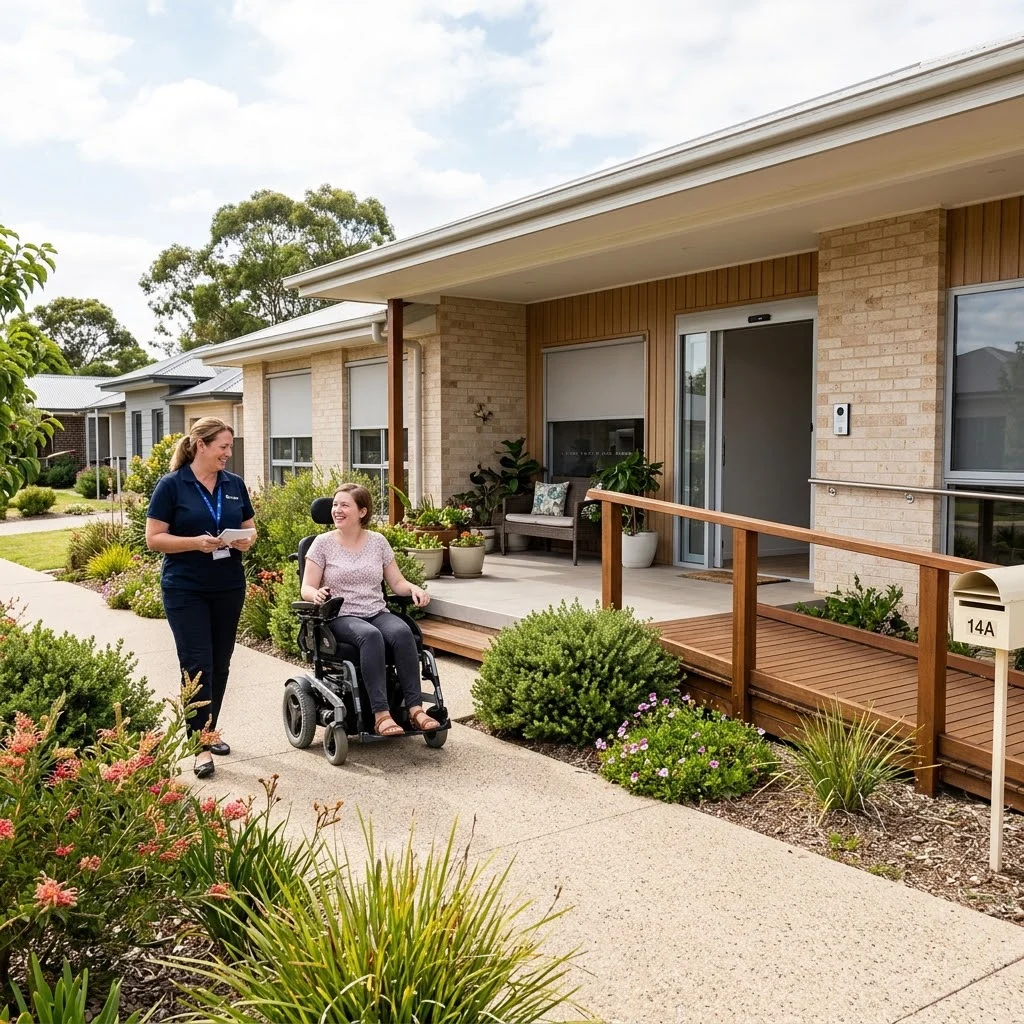
Step 4: The NDIA Reviews Your Application
After you submit your request, the NDIA considers the information provided.
The NDIA decides whether SDA should be included in your plan.
Hilda Care and other SDA providers cannot approve SDA funding. The NDIA considers the evidence and applies the relevant NDIS requirements to your individual circumstances.
You may be asked for additional information if the evidence provided does not give the NDIA enough information to make a decision.
If the NDIA Requests More Information
Don’t ignore a request for further information.
If you have a support coordinator, LAC or another person helping with your application, ask them to help you understand exactly what is being requested.
If a professional report needs clarification or additional evidence is required, deal with it as soon as possible. Keeping copies of everything you submit is also useful throughout the process.
Step 5: Receive the SDA Decision
The NDIA will make a decision based on the information available.
If SDA is approved, the relevant funding is included in your NDIS plan.
If SDA is not approved, the decision should explain the outcome and provide information about your review rights.
There is no single processing timeframe that applies to every SDA request. The time involved can depend on the circumstances of the request, the evidence provided and the NDIA’s processing requirements.
If your application has been waiting for a significant period, your support coordinator, LAC or NDIA contact can help you follow up on its status.
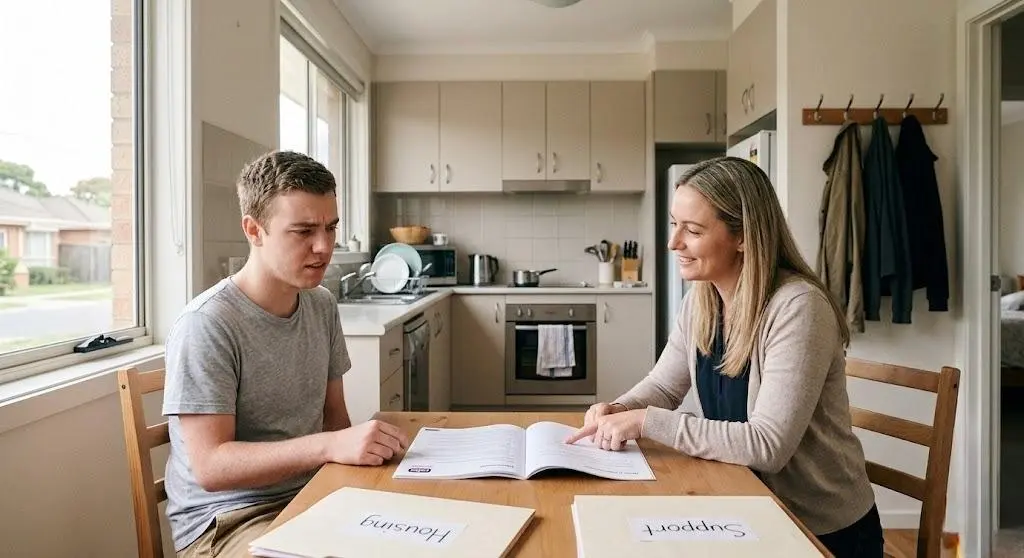

SDA Approved? What Happens Next?
Getting SDA approved is an important step, but it does not automatically allocate you a home.
You now need to find an SDA property that matches your approved requirements and preferences. This is where the process moves from funding approval to housing selection. You can begin comparing available SDA properties based on factors such as:
- approved SDA design category
- location
- accessibility features
- property layout
- equipment requirements
- shared or individual living arrangements
- availability
- proximity to family, services and important appointments.
The property must also be enrolled under the SDA framework and meet your approved requirements.
Your SDA Approval Does Not Mean You Have to Take the First Property Available
Don’t choose a property simply because it has a vacancy. Before committing to an SDA home, consider whether the actual property works for you. Ask to see the home and check the features that matter to your everyday life.
For example, if you use mobility equipment, look at the actual access points, bathroom, bedroom and living areas rather than relying only on the property’s design category.
If the property is shared, ask about the living arrangement and how the household operates. The goal is to find a home that fits your needs, not simply to move into the first available room.


What If Your SDA Request Is Declined?
A declined SDA request does not necessarily mean the process is over.
You have the right to seek a review of an NDIS decision where review rights apply. The first step is generally an internal review by the NDIA.
If you remain unhappy after the internal review, you may be able to seek external review through the Administrative Review Tribunal (ART).
The important thing is to read the decision carefully and act within the applicable time limits.
Step 6: Request an Internal Review
An internal review asks the NDIA to reconsider the original decision. An NDIA staff member who was not involved in making the original decision conducts the review. You can provide information explaining why you believe the original decision should be changed. If the decision identified gaps in the evidence, use the review process to address those issues where possible.
[H3] What Should You Look At Before Requesting a Review?
Read the written decision carefully. Look at:
- the reasons given for the decision
- the evidence the NDIA considered
- whether important evidence was missing or misunderstood
- whether your circumstances have been accurately described
- whether additional evidence can address the issues identified.
If you’re unsure what the decision means, a support coordinator, LAC or disability advocate can help you understand your options.
Step 7: External Review Through the Administrative Review Tribunal
If you are still dissatisfied after an internal review, you may be able to apply to the Administrative Review Tribunal (ART) for external review.
The ART is independent of the NDIA and replaced the former Administrative Appeals Tribunal.
The ART process gives you another opportunity to have the decision reviewed. Because review rights and time limits depend on the specific decision, use the information provided with your decision and obtain appropriate assistance if you are unsure about the next step.
You should not assume that an unsuccessful internal review means you have no further options.
Get Help If the Process Becomes Difficult
You do not have to manage an SDA application or review on your own.
Depending on your circumstances, you may be able to get help from:
- a support coordinator
- a Local Area Coordinator
- a disability advocate
- an occupational therapist
- your treating professionals
- a family member or nominated representative.
A disability advocate can be particularly useful if you disagree with an NDIS decision and want help understanding your review options.
If you are unsure who can help, speak with your NDIS contact or support coordinator about the appropriate pathway.

Common Mistakes That Can Slow Down an SDA Application
A good application is not simply a large collection of reports. It needs to clearly explain the connection between your disability, your functional needs and your housing requirements. Common problems include:
Relying on Diagnosis Alone
A diagnosis alone does not explain why SDA is required. The evidence needs to explain how your disability affects your actual functioning and housing needs.
Using Old Evidence Without Updating It
Your circumstances can change. If an older report no longer accurately reflects your current needs, updated evidence can provide a clearer picture.
Not Explaining the Housing Problem
Describing your disability without explaining why your current or ordinary housing is unsuitable leaves an important part of the application unanswered.
Waiting Until Housing Becomes an Emergency
SDA applications can take time because assessments and supporting evidence take time to prepare. Starting early gives you more time to gather the information you need and address any gaps.
How Long Does It Take to Get SDA?
There is no single timeframe from the first assessment to SDA approval. The overall process can include:
Assessment → Evidence Gathering → Submission → NDIA Consideration → Decision → Housing Search
The time required at each stage depends on your circumstances.
Completing professional assessments, gathering supporting information, and responding promptly to requests can help avoid unnecessary delays, but neither Hilda Care nor another provider can guarantee how quickly the NDIA will make a decision.
If SDA has already been approved, the time needed to find a suitable home is a separate issue and depends on available properties in your required category and location.
Frequently Asked Questions About Applying for SDA
Can I apply for SDA before I know which home I want?
Yes. You do not need to choose a specific SDA property before asking the NDIA to consider SDA funding. The funding decision comes before the search for a suitable property.
Can someone apply for SDA on my behalf?
Yes. You can have a support coordinator, LAC, representative or another appropriate person assist you with the process. You remain the participant whose individual circumstances are being considered.
Do I need to contact an SDA provider before submitting my application?
No. An SDA provider does not approve your funding. You can investigate providers and properties separately while your funding request is being considered.
What should I do if my circumstances change while my application is being considered?
Tell the relevant NDIS contact and provide updated information where appropriate. A significant change in your circumstances can affect the evidence needed to assess your request.
Can I choose my SDA provider after I receive funding?
Yes. SDA funding does not mean that you are automatically assigned to one particular provider. Once approved, you can explore suitable SDA properties and providers that meet your requirements.
What happens if I move before my SDA application is decided?
Tell the NDIA and the professionals supporting your application if your housing situation changes. Your current housing circumstances can be relevant to the information being considered.
Can I ask for a review if I disagree with only part of the SDA decision?
Your review rights depend on the specific NDIS decision. Read the decision notice carefully to understand what can be reviewed and the applicable process.
Will my existing NDIS supports stop if I request an SDA review?
Requesting a review does not automatically cancel your existing NDIS supports. The effect of any decision depends on the specific circumstances and the decision being reviewed.
Can Hilda Care guarantee that my SDA application will be approved?
No. The NDIA makes SDA funding decisions. Hilda Care can provide information about our SDA homes and help you understand the housing options available once you have appropriate SDA funding, but we cannot guarantee an NDIA decision.
Ready to Explore SDA Housing?
If you are still working through the application process, your first priority is to gather the right evidence and submit your request to the NDIA.
Once SDA is approved, Hilda Care can help you explore suitable SDA housing options based on your approved requirements and preferred location.