

- 53+ Reviews on Google
- Multilingual Team
- Registered NDIS Provider #4050126032
Down Syndrome and NDIS Support
Down syndrome is a lifelong genetic condition, but the support each person needs is different. One person may mainly need help with communication and daily skills, while another may need regular personal care, community support or help to live more independently.
The NDIS looks at how disability affects the individual person, not simply the diagnosis. For eligible participants, funding can support everyday activities, therapy, independence, community participation, employment goals and home and living needs.
Hilda Care supports people with Down syndrome with practical disability support for everyday life, including personal care, life skills, community participation, household tasks, transport and Supported Independent Living.



NDIS Eligibility for People With Down Syndrome
Down syndrome is recognised by the NDIS as a condition that is likely to cause permanent impairment. It appears on List B for disability access and List D for early intervention for younger children.
That does not mean every person with Down syndrome automatically receives the same NDIS support. Eligibility and funding still depend on age, individual needs and the effect of disability on everyday life.
Children Younger Than 7
Down syndrome is included on the NDIS List D for younger children. When the NDIS has evidence that a child younger than 7 has been diagnosed with a List D condition, the child is considered to meet the early intervention requirements without needing further assessment of that requirement. Families usually begin through an early childhood partner.
Children Aged 7 to 8
Children younger than 9 are still supported through the NDIS Early Childhood Approach For children aged 7 or 8, the early childhood partner helps the family understand the child’s needs, connect with suitable services, and work through NDIS access where required.
Participants Aged 9 and Over
For older children and adults, a Down syndrome diagnosis helps show that the impairment is likely to be permanent because the condition is listed on List B. The NDIS will also look at how the person’s disability affects everyday life and whether they meet the other access requirements.
Useful evidence may come from doctors, psychologists, occupational therapists, speech pathologists or other professionals who understand the person’s functional needs.
General NDIS Access Requirements
Applicants must also meet the NDIS age and residence requirements. An application must be made before turning 65, and the person must meet the required Australian residency or visa rules.
NDIS Funding for Down Syndrome Is Based on Individual Needs
There is no standard “Down syndrome NDIS package”. Two people with the same diagnosis can need very different support. Funding is based on the person’s disability-related needs, evidence, circumstances, and the NDIS supports included in their plan.
Current NDIS plans can contain four types of support budgets: Core, Capacity Building, Capital and Recurring Supports. Not every participant receives funding in all four.
Core Supports
Core funding can help with everyday disability-related needs such as:
- Personal care
- Cooking and household tasks
- Support to take part in community activities
- Some disability-related everyday items
For a person with Down syndrome, this may mean having a support worker assist with morning routines, household tasks or community participation.
Capacity Building Supports
Capacity Building funding focuses on developing skills and independence. Depending on the participant’s plan, this can include therapy, daily living skills and other supports that help the person become more independent.
Capital Supports
Capital funding is used for higher-cost disability supports such as assistive technology, equipment, home modifications, vehicle modifications and SDA where the person meets the requirements.
Recurring Supports
Recurring Supports currently cover recurring transport funding for eligible participants, including travel connected with work, study, community activities or day programs.

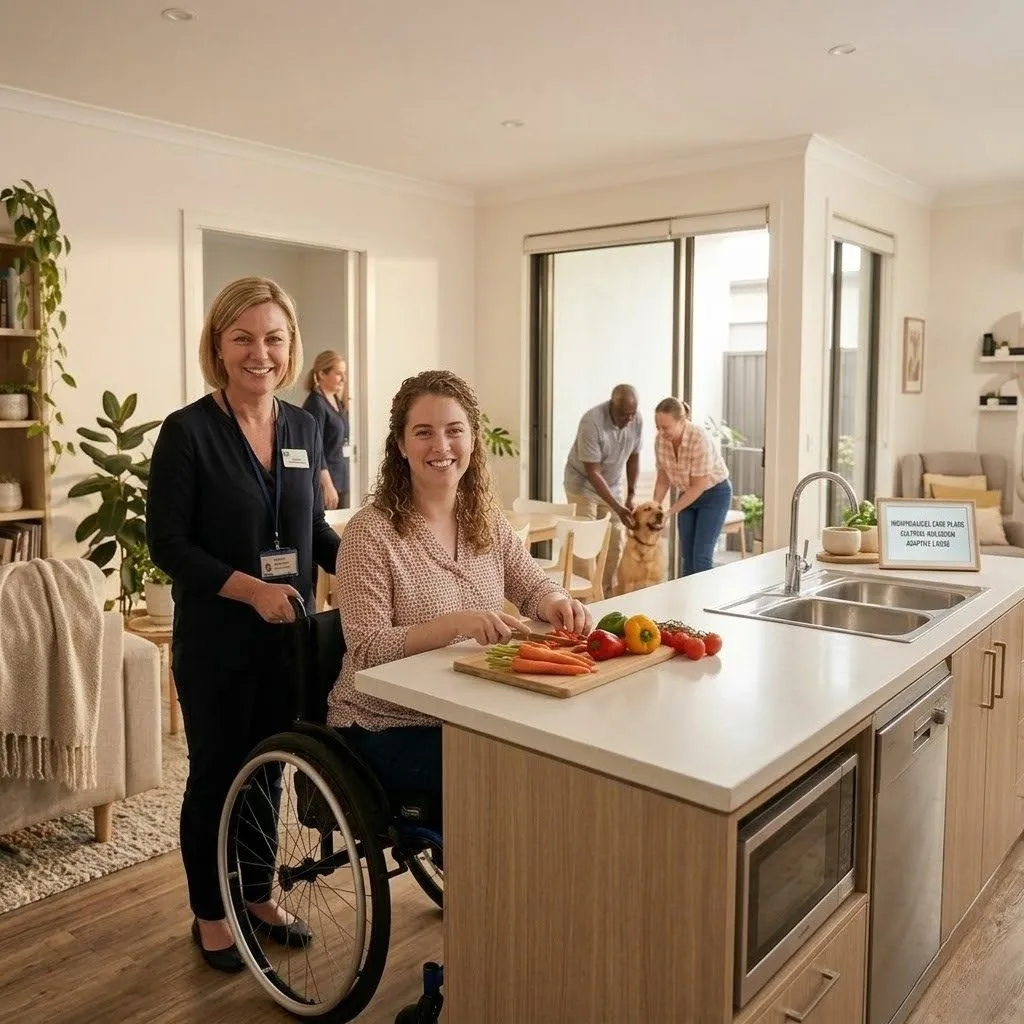
Early Childhood NDIS Support for Children With Down Syndrome
The early years can involve many appointments, new information and decisions about which support will actually help the child.
The NDIS Early Childhood Approach is available for children younger than 9 with disability and focuses on helping children develop skills while supporting families to understand and respond to their child’s needs.
Depending on the child, support may focus on:
- Communication
- Movement and mobility
- Everyday play and learning
- Self-care skills
- Social interaction
- Building independence at home and in the community
An early childhood partner can also connect families with mainstream and community services rather than treating every need as an NDIS-funded service.
Therapy for Communication, Movement and Everyday Skills
People with Down syndrome may use therapy at different stages of life, but therapy is funded because of an individual’s functional needs, not simply because they have Down syndrome. NDIS-funded therapy can include:
Speech Pathology
Speech pathology can support communication, language and other functional communication needs.
Occupational Therapy
Occupational therapy can focus on everyday activities, self-care, fine motor skills, independence and practical skills at home, school, work or in the community.
Physiotherapy
Physiotherapy can support movement, mobility, balance and physical function where disability affects these areas.
Psychology
Psychology may be funded where psychological support relates to the person’s disability and meets the NDIS funding rules.
The NDIS currently recognises speech therapy, occupational therapy, physiotherapy and psychology among the therapy supports it can fund when the support meets its criteria and appropriate evidence is provided.
Hilda Care does not provide clinical therapy. Our support workers can work alongside the participant’s therapists and follow relevant everyday support recommendations.
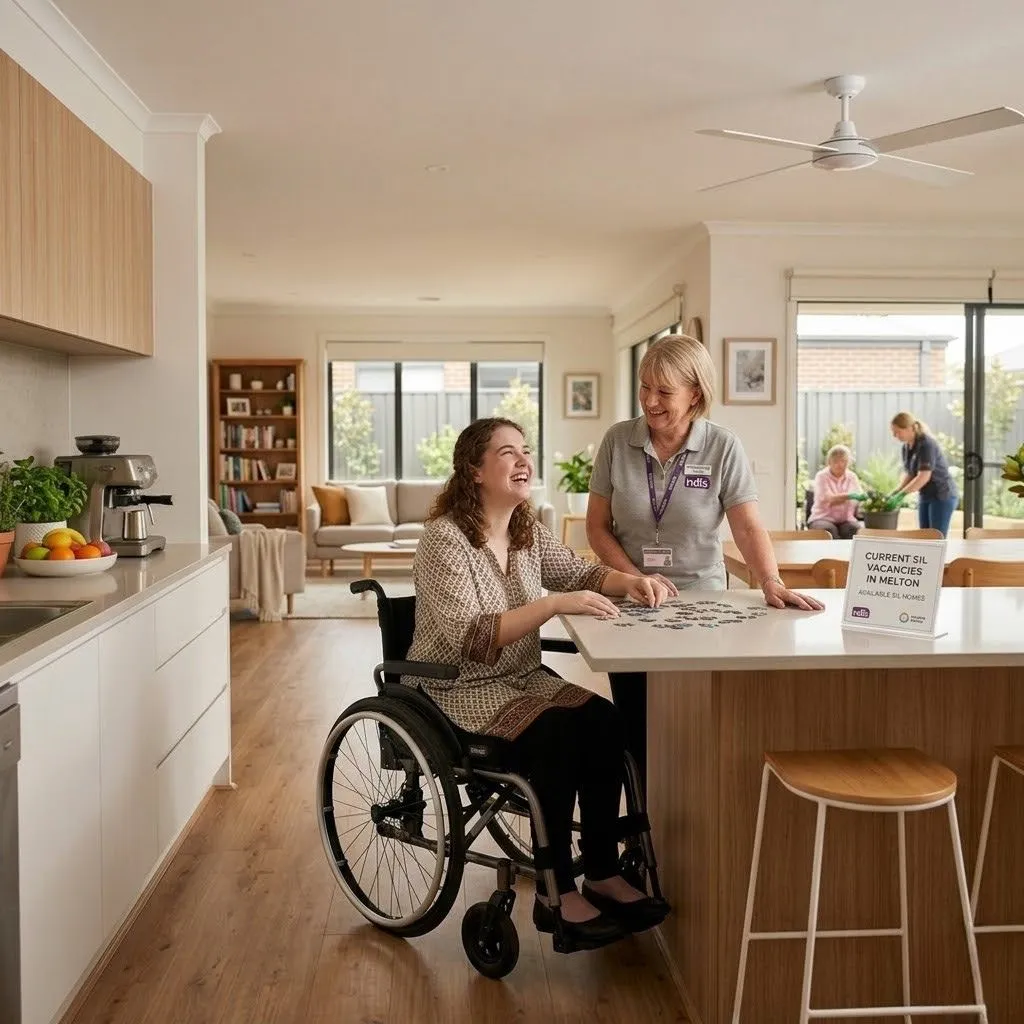
Building Daily Living Skills With the Right Level of Support
Everyday independence often develops through small, repeated experiences rather than having someone complete each task for the person. For a participant with Down syndrome, funded support may focus on skills such as:
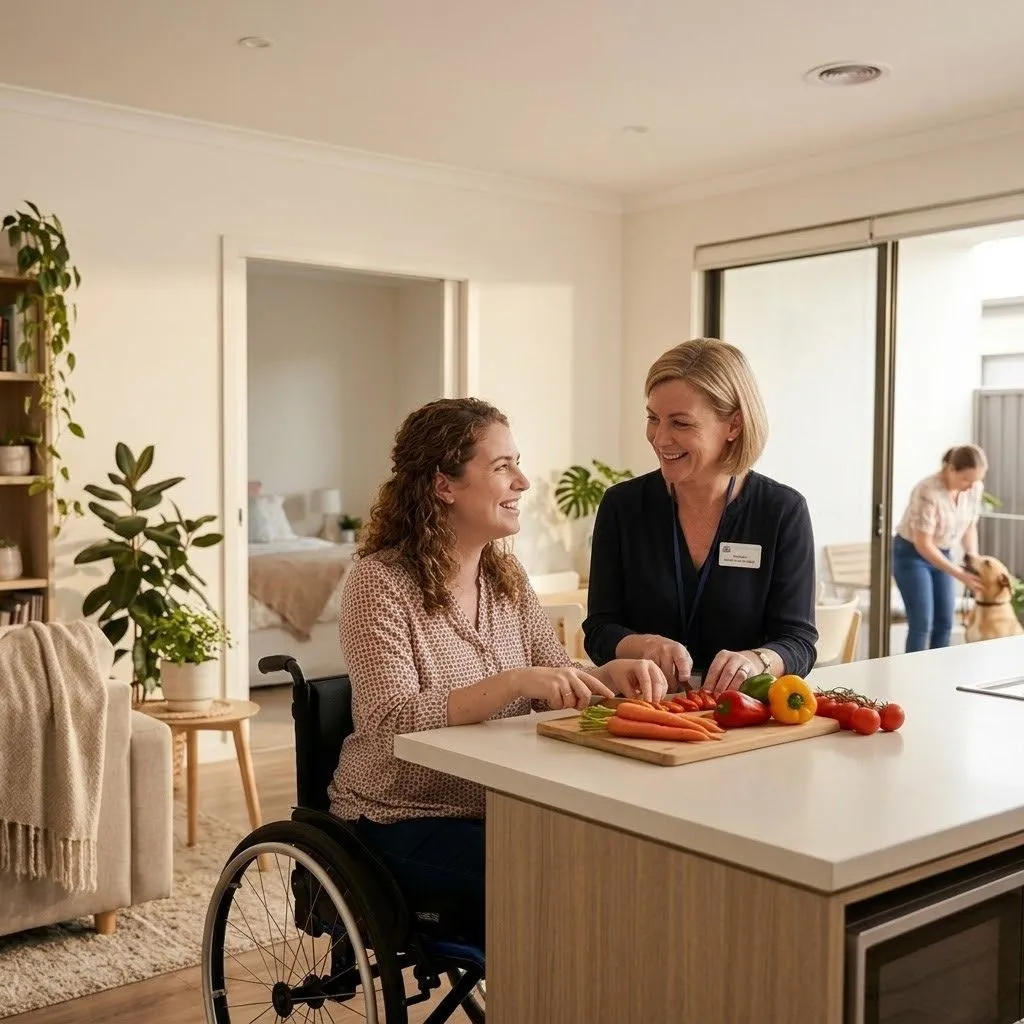
- Preparing simple meals
- Personal hygiene
- Cleaning and laundry
- Shopping
- Money and everyday budgeting skills
- Following a daily routine
- Using public transport
- Making everyday choices
- Building confidence in the community
Our support workers adjust the level of help to the participant. That may mean hands-on assistance for one task, step-by-step prompting for another, and giving the person more space when they are ready to do something independently.
The aim is to provide enough support to make the activity achievable while keeping the participant involved.
Community Participation That Builds Confidence and Connection
Social and community activities can become harder to access when a person needs help with communication, travel, planning, or navigating unfamiliar situations.
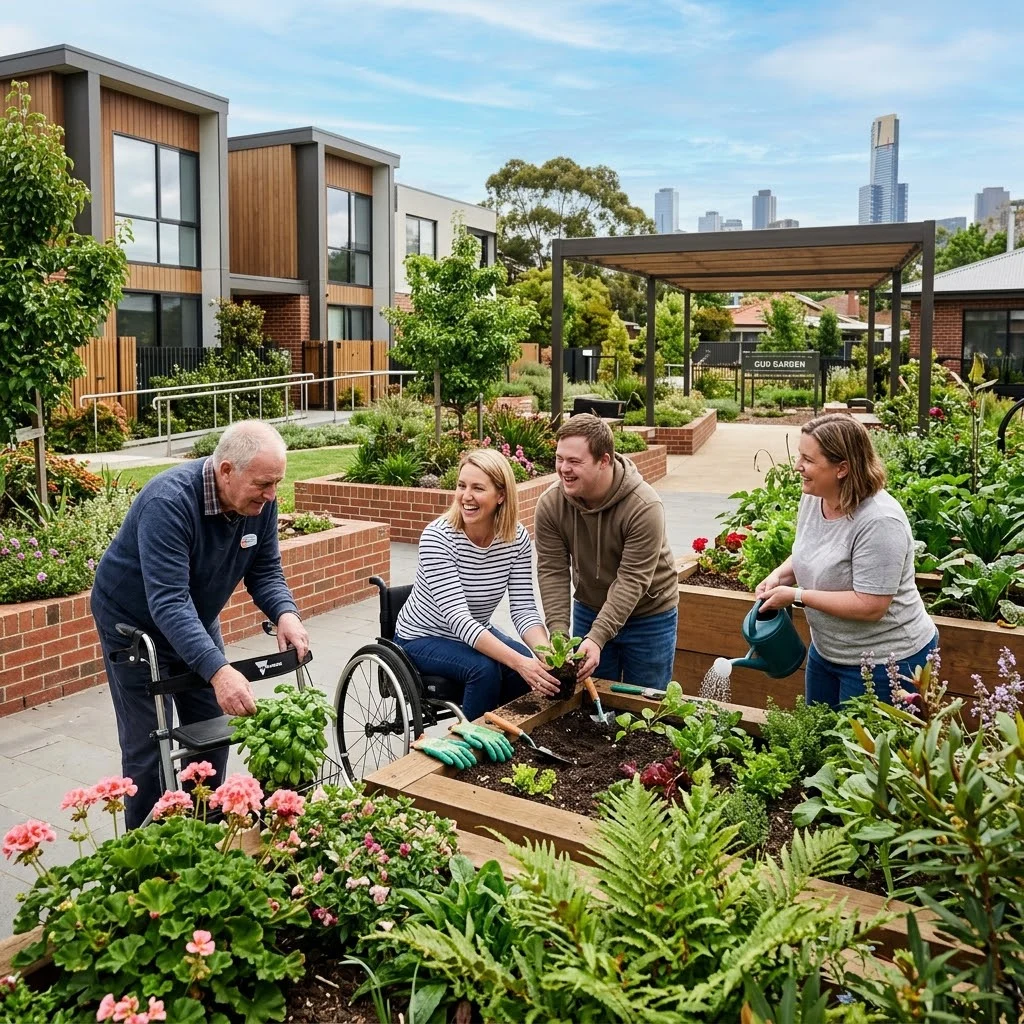
Our Community Participation support helps participants take part in funded activities that match their interests and goals. This may include support to:
- Attend social or recreational activities
- Join local groups
- Spend time with friends
- Attend community events
- Build confidence in new settings
- Practise everyday social and communication skills
- Become more comfortable travelling and participating outside the home
The activity itself should matter to the participant. Support is there to help them take part, not to decide what they should enjoy.
NDIS Employment Support After School
Leaving school can be a major change for a young person with Down syndrome, especially when they need extra time or support to learn workplace routines.
Current NDIS guidance provides employment support for working-age participants with employment goals, including young people preparing for work. Support can help with work experience, workplace communication, public transport, understanding employer expectations and finding or keeping employment.
This replaces the need to describe School Leaver Employment Supports as a fixed two-year program. Current NDIS employment support is based more broadly on the person’s employment goals and support needs.
Hilda Care does not provide specialist NDIS employment assistance. Participants should discuss employment funding with their my NDIS contact or an appropriate employment support provider.
Supported Independent Living for Adults With Down Syndrome
Some adults with Down syndrome need regular support throughout the day and overnight to live safely and more independently.
Supported Independent Living is designed for participants with higher support needs who require support or supervision across 24 hours. SIL support may include:
- Personal care
- Meals and cooking
- Cleaning and household routines
- Building daily living skills
- Help following routines
- Evening and overnight support
- Supervision where required
SIL funding pays for the disability support delivered in the home. It does not pay rent, groceries or normal household bills. Individual one-to-one SIL is funded only in limited situations where the person’s support needs justify it.
Not every adult with Down syndrome needs SIL. Someone who only needs support for part of the day may have other home and daily living supports that better match their needs.
Support That Changes as Independence and Daily Needs Change
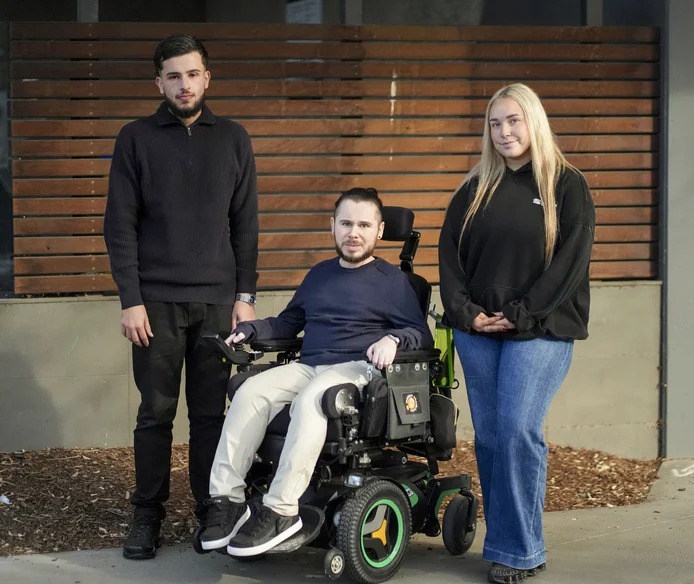
Support needs at age 8 may look very different from support needs at 18, 30 or later in adulthood. A child may focus heavily on communication and everyday skills. A teenager may want more independence in the community. An adult may need help with work routines, household tasks, personal care or moving into a supported living arrangement.
When needs change, the person’s NDIS plan and service arrangement should reflect their current situation rather than continuing support simply because it was included in an older plan.
Keeping reports and practical examples of current support needs helps show what has changed and where disability-related assistance is still required.
How Hilda Care Supports People With Down Syndrome
Finding the right support is not about treating Down syndrome as one set of needs. Our team supports each participant around the areas of everyday life where assistance is actually required.
Our Personal Care service supports funded routines such as showering, dressing, grooming and other personal activities while respecting privacy and choice.
Workers support participants in building confidence with routines, meals, household tasks, decision-making, and other practical activities.
Support can help participants get involved in social, recreational and community activities rather than becoming dependent on family for every outing.
Our Household Tasks service provides funded assistance with cleaning, laundry, meal-related tasks and other household routines.
NDIS Transport supports eligible participants with funded travel for appointments, work, study, and community activities.
Adults with higher home support needs can access our SIL service where this matches their funded arrangement.
Short-Term Accommodation is available for eligible participants who need a funded short stay away from their usual home.
Hilda Care is currently an Approved registered NDIS provider, with registration groups covering personal activities, SIL, SDA, transport, community participation, life-skills development and household tasks. Provider Registration Number: 4050126032.

 Posted on Google
 Omar Soliman
Trustindex verifies that the original source of the review is Google.
Really happy with the support I’m getting. Everyone is friendly, easy to talk to, and actually listens. I feel supported and comfortable. Would definitely recommend.Posted on Google WarrenI have found the services to be unbelievably great in my situation. I recommend the services to everyone who wants to be taken care of in Melbourne.Posted on Google
 Amira MoussaI’m so grateful for the care and support I receive from Hilda Care. I’ve always felt respected, valued, and genuinely listened to. The team is kind, patient, and supportive, and communication is always clear! I honestly feel lucky to be part of a service that truly cares about their clients. Thank you!!!Posted on Google
 Omar Moussa (omzy96)Lovely NDIS provider providing support throughout all of Melbourne. I have personally recieved support through Hilda Care for the past 6 months roughly. Their administration is top notch. They have gone above and beyond providing personalised support workers for my needs, have promptly resolved any issues I may have and they always try their best to deliver extra services that may help me with my needs and support. Thank you Hilda Care, you've made my transition into the NDIS as seamless as possible, and I really look forward for the years ahead 😊Posted on Google
 Grahm WatsonThanks for looking after me in SIL house in Burnside Heights. Management is excellent. Happy is looking after me very well. ThanksPosted on Google
 Kim Fleming
Trustindex verifies that the original source of the review is Google.
My experience dealing with this organisation has been very disappointing. They seem unorganised, unprofessional arrogant and downright disrespectful of peoples time.Posted on Google Divyanshu SethiHilda Care is outstanding. As a Support Coordinator, I’ve had situations where I needed a Support Worker at the very last minute for my cleints, and they delivered without hesitation. Not once or twice but always. They found the right person within hours and made sure the client felt safe and supported. They have paid heed to client’s feedback and tweaked their services accordingly everytime. Their staff are well trained, reliable, and always go above and beyond to meet client needs. It’s clear they genuinely put clients first. Highly recommended.Posted on Google
 Tommy NjegacThank you Hilda care for providing me services in caroline springs. Harry is amazing support worker. He really understands me well and my needs. God bless your company.Posted on Google
 Yasemin YakupThis is one of the most reliable and compassionate disability service providers we’ve worked with. Their communication is clear. The support workers show great understanding and patience, especially during challenging moments. They make everyday routines more enjoyable and less stressful for everyone involved. We feel very lucky to have them on our side.Verified by TrustindexTrustindex verified badge is the Universal Symbol of Trust. Only the greatest companies can get the verified badge who has a review score above 4.5, based on customer reviews over the past 12 months. Read more
Frequently Asked Questions About Down Syndrome and the NDIS
Can Hilda Care work with my child's speech pathologist or occupational therapist?
Yes. With the participant’s or family’s permission, our workers can follow relevant everyday support recommendations provided by therapists and other professionals involved in the person’s care.
Does Hilda Care provide speech therapy or occupational therapy?
No. Hilda Care provides disability support services, not clinical therapy. Speech pathology, occupational therapy, physiotherapy and psychology should be delivered by appropriately qualified therapy providers.
Can NDIS support for Down syndrome be provided at home and in the community?
Yes, depending on the participant’s funded supports. Assistance can include daily living support at home as well as funded community participation and transport.
Can parents or family stay involved when an adult receives support?
Yes, where the participant wants them involved. Family members and other trusted people can take part in relevant support discussions with the participant’s permission.
Can someone with Down syndrome use SIL and community participation support?
Yes. They are different supports. SIL provides higher levels of assistance within the home, while community participation supports activities outside the home that are included in the participant’s plan.
Can Hilda Care support a participant who already has therapists and other providers?
Yes. You do not need to move every support to Hilda Care. Our disability support services can work alongside existing therapists, support coordinators and other providers.
NDIS Support That Builds More Independence in Everyday Life
The right support should help a person with Down syndrome take part in everyday life with more confidence, choice and independence.
Whether you need personal care, help building daily skills, community participation, household support, transport or Supported Independent Living, our team can discuss the services that match your current NDIS plan and needs.
Registered NDIS Provider – 4050126032
Call 1300 440 777 to discuss support for a child or adult with Down syndrome.