

- 53+ Reviews on Google
- Multilingual Team
- Registered NDIS Provider #4050126032
Level 3 Autism: Signs, Support Needs and NDIS Eligibility
Level 3 autism is described as “requiring very substantial support.” A person may need significant help with communication, change, daily activities or taking part in everyday life, but the exact support looks different for each individual.
This guide explains Level 3 autism, common support needs, communication and AAC, NDIS access, and the supports that may be relevant.


What Is Level 3 Autism and What Does It Mean?
Level 3 is the highest support level in the DSM-5-TR autism framework. The three levels are:
- Level 1 – Requiring support
- Level 2 – Requiring substantial support
- Level 3 – Requiring very substantial support
Clinicians consider support needs across two main areas: social communication and interaction, and restricted or repetitive behaviours, interests and difficulty with change.
At Level 3, these differences have a major effect on everyday functioning and very substantial support is needed.
A person can also have different levels across the two autism areas. Level 3 therefore should not be treated as one fixed description of everything a person can or cannot do.
It does not tell you someone’s intelligence, whether they speak, where they should live, or exactly how many hours of support they need.
For the wider comparison, see Autism Levels Explained.
Common Level 3 Autism Signs and Support Needs
Level 3 autism usually involves significant support across several parts of everyday life.
Common needs can include:
- Significant support with communication
- Difficulty starting or responding to social interaction
- Strong need for familiar routines
- Major difficulty coping with unexpected change
- Repetitive behaviours or focused interests that strongly affect daily activities
- Support moving between activities or environments
- Sensory needs that make some places or activities difficult to manage
- Regular assistance with personal care or daily living
- Support making choices and communicating preferences
- Help taking part safely in home and community activities
These needs are not identical for every Level 3 autistic person.
One person may need more support with communication and daily care, while another may have stronger daily living skills but need very substantial help with change, sensory demands and community participation.
Level 3 Autism in Children and Adults
Level 3 Autism in Children
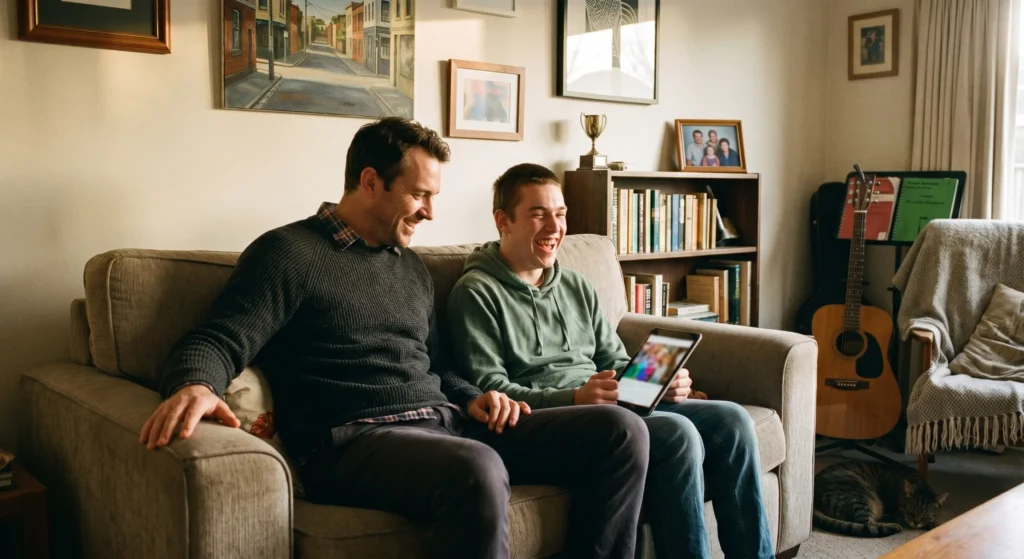
In children, Level 3 support needs may become clear early because communication, social interaction, routines and everyday activities require significant assistance.
A child may need more support to communicate what they want, understand what is happening next, or move between activities.
Changes to familiar routines can be difficult, and busy environments such as school may require additional structure and support.
Communication also varies. Some children use speech, while others use AAC, pictures, gestures or several communication methods together.
Support may extend across personal care, meals, play, learning, safety and taking part in family or community activities.
Level 3 Autism in Adults
Level 3 autistic adults also have different strengths and living arrangements.
Some live with family. Others live in their own home or supported accommodation with disability assistance.
An adult may need regular help with communication, personal care, meals, household routines, managing changes, or getting out into the community.
Some need support throughout the day and overnight. Others have different patterns of assistance.
Level 3 autism does not automatically mean someone needs a group home or constant one-to-one care. The actual support arrangement should reflect the person’s needs.
Communication and AAC Support for Level 3 Autism
Some Level 3 autistic people use speech. Others are non-speaking or use only a limited amount of speech for everyday communication.
Being non-speaking does not mean someone has nothing to say or does not understand what is happening around them.
AAC, or augmentative and alternative communication, provides other ways to communicate.
This can include:
- Picture or symbol boards
- Communication books
- Gestures or signs
- Written communication
- Speech-generating devices
- Communication apps
A person may use AAC together with speech rather than instead of it.
The right communication method depends on the individual. A speech pathologist or another appropriately qualified professional with relevant communication experience can assess the person’s needs and recommend suitable options.
Good communication support should give the person a way to express more than basic needs. It should also support choices, opinions, preferences and everyday participation.
Level 3 Autism vs Level 2 Autism
Level 2 and Level 3 both involve significant autism-related support needs. The main difference is the amount of support required.
| Area | Level 2 Autism | Level 3 Autism |
|---|---|---|
| DSM description | Requiring substantial support | Requiring very substantial support |
| Social communication | Marked difficulties remain even with support | Difficulties have a greater impact and very substantial support is needed |
| Change and repetitive behaviours | Strong effect across different situations | Very significant effect on everyday functioning |
| Overall support | Substantial support | Very substantial support |
Speech does not decide whether someone is Level 2 or Level 3. Neither does intellectual ability, personal care, or where the person lives.
A clinician looks at the wider autism presentation and how much support is required across the diagnostic areas.
Read Level 2 Autism for a closer look at substantial support needs.
How Level 3 Autism Is Diagnosed in Australia
Australia has a National Guideline for the Assessment and Diagnosis of Autism, updated in 2023. Autism assessment can use recognised frameworks including DSM-5-TR and ICD-11. The Level 1, 2, and 3 terms specifically come from the DSM severity framework.
Assessment looks at the whole picture rather than relying on one test.
1. Development and history
Practitioners look at how communication, social interaction, routines and everyday skills have developed over time.
2. Current strengths and support needs
The assessment considers communication, social interaction, repeated behaviours, sensory experiences and everyday functioning.
3. Information from everyday settings
Information from family, school, work or other people who know the person well can provide important context.
Standardised tools may also be used, but they are only one part of the assessment. The final diagnosis and severity level come from the wider evidence and professional judgement.


Level 3 Autism and NDIS Eligibility in Australia
Level 3 autism is included on the NDIS List A of conditions that are likely to meet the disability requirements when the diagnosis meets the listed criteria.
Current NDIS guidance includes autism assessed as Level 2 or Level 3 under the specified DSM criteria and diagnosed by one of the listed qualified professionals.
This makes the disability-requirement part of NDIS access clearer than it is for Level 1 autism. However, Level 3 autism should not be described as automatic NDIS eligibility.
The person still needs to meet the other access requirements that apply, including age and residence requirements. Level 3 also does not automatically determine:
- The size of an NDIS plan
- The number of support-worker hours
- Whether SIL is funded
- Whether SDA is funded
- Which therapies are included
- Whether support is one-to-one
Those decisions depend on the person’s individual disability-related needs.
NDIS Supports for People With Level 3 Autism
There is no standard NDIS plan for Level 3 autism. Two participants with the same autism level can need very different services.
Daily Living and Personal Support
Some participants need regular assistance with personal care, meals, household activities and everyday routines.
Support may involve supervision, prompting or hands-on assistance depending on the person’s needs.
Communication and Assistive Technology
Participants who use AAC may have approved communication supports or assistive technology in their plan.
Professional assessment may also be included when needed to choose or set up suitable communication equipment.
Therapy and Capacity Building
An NDIS plan may include approved supports such as occupational therapy or speech therapy when they relate to the participant’s disability needs.
Some participants also receive specialist behaviour support through an appropriately registered specialist behaviour support provider.
Social and Community Participation
Support workers may assist participants to take part in community, social or recreational activities funded through their plan.
The type and amount of support depends on what the participant needs to take part.
The Level 3 diagnosis alone does not guarantee any particular service.

Supported Independent Living for Level 3 Autism
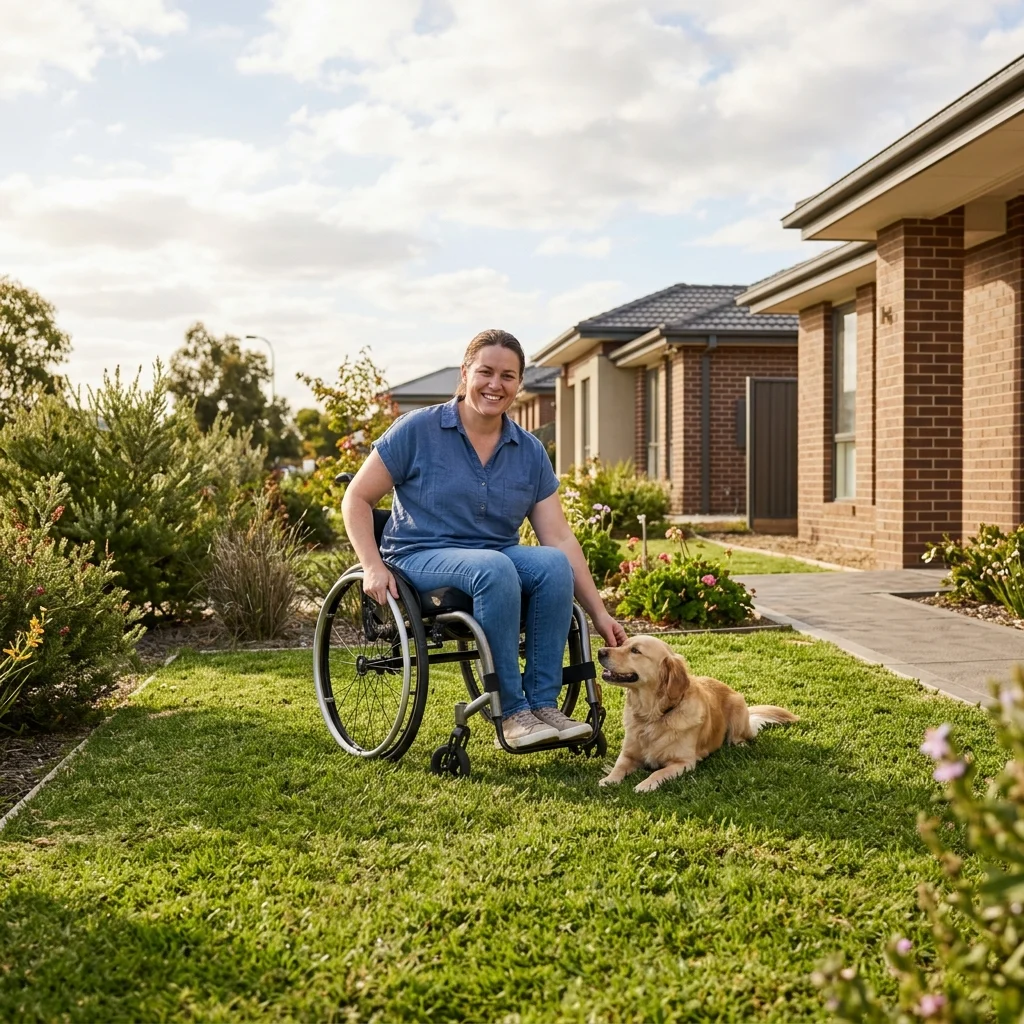
Some Level 3 autistic adults need disability support across the whole day and overnight.
For participants with this level of home support need, Supported Independent Living (SIL) may be one option considered by the NDIS.
SIL is funding for a support worker to help or supervise a participant 24 hours a day, 7 days a week. Support can include:
- Personal care
- Preparing and eating meals
- Cleaning and household routines
- Building daily living skills
- Support or supervision overnight
A participant may share a support worker with other residents or receive individual support depending on their funded needs.
Level 3 autism does not mean SIL will be funded. The NDIS looks at how much home support the individual actually needs.
SIL, SDA and Home and Living Support for Level 3 Autism
SIL and SDA are often mentioned together, but they pay for different things. SIL pays for the support workers inside the home.
SDA pays for specialist housing for people with extreme functional impairment or very high support needs. A Level 3 autistic participant might have:
- SIL without SDA
- SDA with another support arrangement
- SIL and SDA together
- Another home and living support instead
Level 3 autism does not automatically qualify someone for SDA.
Specialist Disability Accommodation has separate requirements based on the participant’s disability-related housing needs.
This distinction matters because needing a high level of daily support does not always mean the person also needs specialist housing.

Functional Evidence for a Level 3 Autism NDIS Plan
Even when a diagnosis meets the relevant List A criteria, the diagnosis does not tell the NDIS exactly what support the participant needs. Functional evidence shows what everyday life actually looks like. Useful evidence can explain:
- Which activities require help
- How much assistance is needed
- How often support is required
- Communication needs
- Personal care needs
- Support around routines and change
- Safety needs
- Community participation
- Overnight support needs
- Informal support currently provided by family or carers
This becomes especially important when the participant needs significant daily support or home and living funding.
For example, two Level 3 participants may both require very substantial support but need completely different services and support hours. The plan needs to reflect those individual differences.
Can Level 3 Autism Support Needs Change Over Time?
Yes. Autism is lifelong, but support needs can change as the person grows, develops new skills, or moves through different stages of life.
A child may develop a more effective communication method. An adult may learn new daily living skills. A different environment may also make some activities easier to manage.
Support needs can increase as well, particularly when the demands of everyday life change.
A person’s autism level should therefore not be treated as a permanent prediction of what they will always be able or unable to do.
If an old assessment no longer reflects the person’s current situation, an appropriately qualified clinician can advise whether reassessment is useful.

Frequently Asked Questions About Level 3 Autism
Is Level 3 autism the most severe autism level?
Level 3 is the highest support level used in the DSM-5-TR autism framework and means requiring very substantial support. It does not measure a person’s intelligence, potential or value.
Are all people with Level 3 autism non-speaking?
No. Some use speech, while others communicate through AAC, gestures, pictures or several methods together.
Does Level 3 autism automatically qualify for the NDIS?
No. Qualifying Level 3 autism is included on NDIS List A, meaning it is a condition likely to meet the disability requirements. The person still needs to meet the other applicable access requirements.
Does Level 3 autism mean intellectual disability?
No. Autism severity and intellectual ability are separate. Some Level 3 autistic people also have an intellectual disability, while others do not.
Does Level 3 autism mean 24-hour support is always needed?
No. Some participants need disability support throughout the day and overnight, while others have different support arrangements.
Can someone with Level 3 autism receive SIL?
Yes, if SIL matches their disability-related home support needs and is included in their NDIS plan.
Does Level 3 autism automatically qualify for SDA?
No. SDA has separate eligibility requirements based on the participant’s housing and disability needs.
Can AAC be introduced to an autistic adult?
Yes. AAC is not limited to children. Adults who need another way to communicate can also be assessed for suitable communication options.
Is there a set NDIS funding amount for Level 3 autism?
No. There is no standard Level 3 autism NDIS budget. Funding depends on the participant’s individual disability-related needs and approved supports.
NDIS Autism Support for Level 3 Participants in Melbourne
A Level 3 diagnosis shows that very substantial support is needed, but the actual services still need to match the individual.
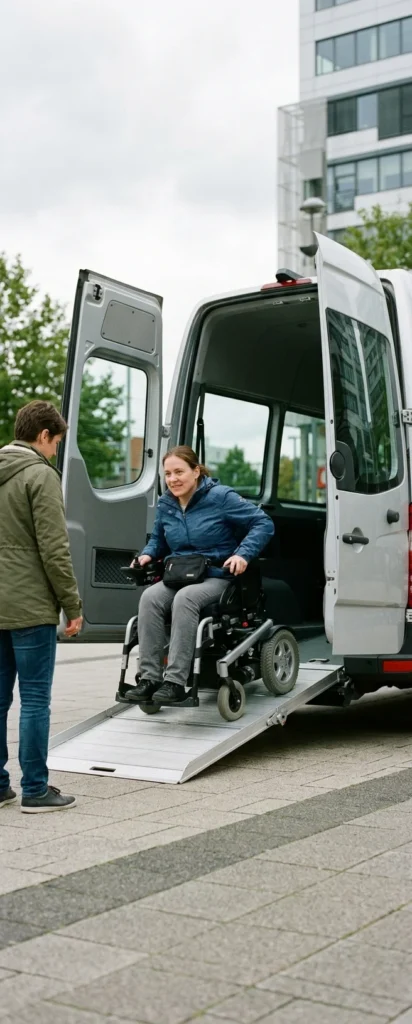
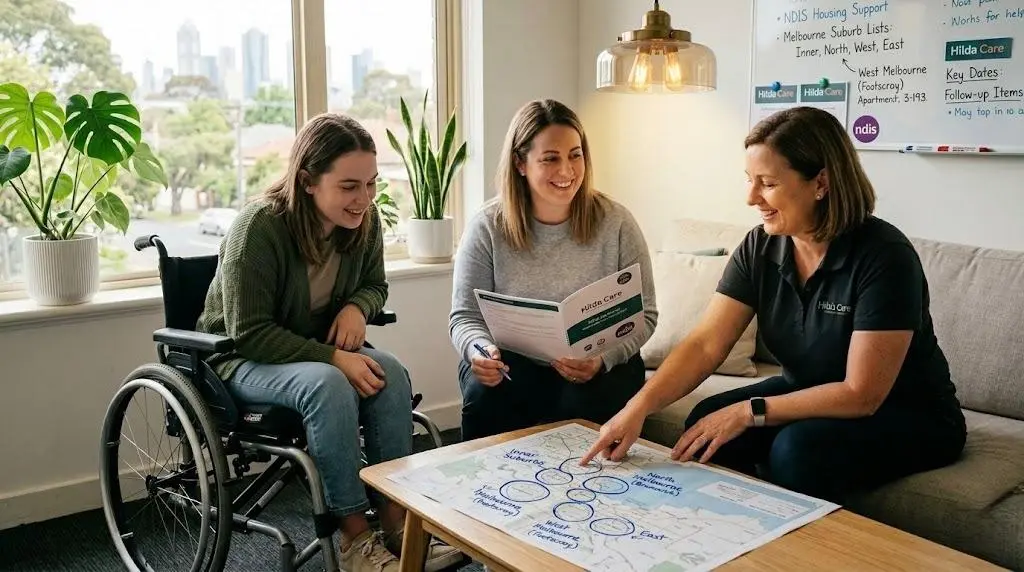
Hilda Care provides NDIS autism support in Melbourne through registered services including personal care, Supported Independent Living, life skills, community participation, household tasks, respite and transport.
Support is based on the participant’s funded needs, communication and daily support requirements rather than using one standard arrangement for everyone with Level 3 autism.
Registered NDIS Provider – 4050126032
