

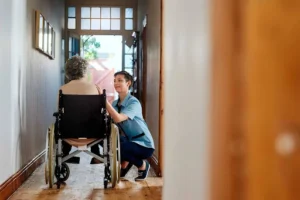
Have you ever thought about how much your daily life depends on the people around you? Choosing the right support worker is one of the most important parts of Supported Independent Living (SIL). The person who supports you each day can have a major impact on your comfort, confidence, and independence. When the match is right, it becomes easier to build trust, develop positive relationships, and feel supported in everyday life.
At Hilda Care, we know that every participant is different. That is why we take the time to carefully match each person with a support worker who suits their needs, preferences, and personality. This guide explains how our matching process works and why it is so important for building positive, long-term support relationships.
Why the Right Match Matters More Than You Think
A good NDIS support worker matching process is about more than finding someone who can provide support. It is about building a relationship based on trust, respect, and understanding. The right support worker helps participants feel comfortable, valued, and confident in their daily lives.
Support workers are part of a participant’s everyday routine, so it is important that the match feels right. When a participant feels understood and supported, daily tasks become easier, and they are more likely to feel confident and independent.
The right match can make a real difference. A positive relationship with a support worker helps participants feel safe, achieve their goals, and enjoy a better quality of life.
Also Read: How Support Workers Help People Build Everyday Independence
What We Consider When Matching Support Workers With SIL Participants
The first step in finding the right support worker is understanding the participant as a whole person. This means considering more than just care needs and support hours to understand the participant’s personality, communication style, interests, goals, and daily routine.
It is also important to consider personal preferences such as language, cultural background, gender, and the type of support the participant feels most comfortable with. These details help create better support worker compatibility and build stronger, more positive relationships.
Taking the time to understand each participant makes it easier to find a support worker who is a good fit within their supported independent living arrangement. A thoughtful matching process helps participants feel comfortable, respected, and supported as they work towards their goals and independence.
How We Collect Information From Participants
Finding the right support worker starts with understanding each participant as an individual. Here is how we learn what each participant truly needs:
Initial Conversations
The matching process begins with open conversations with the participant and, where appropriate, their family or support network. These discussions help everyone share their needs, preferences, and expectations in a comfortable setting.
Goal Setting
Participants are encouraged to talk about what they want to achieve, whether that is becoming more independent, building social connections, learning new skills, or creating a daily routine that works for them.
Lifestyle and Preferences
Everyday routines, hobbies, cultural or religious preferences, and previous experiences with support workers are all taken into account. Understanding these details helps find a better match.
Communication Style
It is important to understand how each participant communicates. This may include using augmentative and alternative communication (AAC) devices, preferring written instructions, or being matched with a support worker who speaks their preferred language.
Input From the Support Team
Feedback from therapists, support coordinators, and other professionals can provide valuable insights into the participant’s needs. This helps create a clearer picture before matching them with a support worker.
The Role of Values and Personality in Matching
A successful NDIS support worker matching process is about more than qualifications and experience. While skills are important, the right support worker should also be a good personal fit for the participant.
Personality, interests, communication style, and values all play a role in building a positive support relationship. For example, a participant who enjoys sports may feel more comfortable with a support worker who shares that interest, while someone who prefers a calm and quiet routine may benefit from a worker with a similar approach.
Taking these personal factors into account helps create stronger connections, builds trust, and makes assist-personal activities feel more natural and enjoyable for both the participant and the support worker.
How We Introduce Workers to Participants
We carefully introduce support workers to make sure the match is right. Our process includes:
- Profile sharing: We share the support worker’s information with the participant and their support network before the first meeting.
- Meet-and-greet: A relaxed introductory meeting gives everyone a chance to get to know each other.
- Trial shifts: Short trial shifts help the participant and support worker see if they are a good fit.
- Feedback and review: We ask for honest feedback to make sure the participant feels comfortable and supported.
- Final confirmation: Regular support only begins once the participant is happy with the match.
Why Consistent Support Workers Improve SIL Outcomes
Having consistent support staff is important for building trust, confidence, and positive relationships. When participants see familiar support workers, they often feel more comfortable with their daily routines and are better able to build strong working relationships.
Many providers aim to keep the number of different support workers to a minimum whenever possible. If a regular support worker is unavailable, it is helpful to arrange someone the participant already knows or has met before. This can reduce anxiety and make the transition easier.
Consistency also helps support workers better understand a participant’s preferences, routines, and communication style, leading to more personalised support across daily tasks and shared living over time.
What Happens If a Support Worker Match Is Not the Right Fit?
Not every support worker match will be the right fit, and that is okay. When this happens, a good provider should respond quickly by:
- Encouraging open feedback: Participants and families can share concerns at any time without hesitation.
- Reviewing the situation: We speak with both the participant and the support worker to understand what isn’t working.
- Finding a new match quickly: If needed, we arrange a different support worker as soon as possible.
- Taking a no-blame approach: We treat mismatches as a normal part of the process and focus on finding the best fit for everyone.
How Support Worker Training Improves Participant Matching
A support worker can only be a good match if they have the right skills and training. Good NDIS providers make sure their support workers receive proper training so they can support people with diverse needs.
Training often includes communication skills, cultural awareness, respect for personal boundaries, and understanding of different types of disabilities. This helps support workers provide support that matches each participant’s needs, preferences, and goals.
Ongoing learning and professional development also play an important role in improving worker-participant fit. Well-trained support workers are better prepared to build positive relationships.
Also Read: How Support Workers Help People Build Everyday Independence
How Families and Support Networks Support Better Worker Matching
Choosing the right support worker is often easier when families and carers are involved in the process. They can provide valuable insights into a participant’s personality, daily routines, communication style, and support preferences, helping to find a better match.
Many NDIS providers encourage families and carers to join early discussions, give feedback during trial periods, and speak up if something is not working well. Their input can help build a strong and positive support relationship. At the same time, the participant’s choices and preferences should always come first. The goal is to find a support worker who helps the participant feel comfortable, achieve their goals, and stay as independent as possible.
Ready to Find the Right SIL Support for You?
At Hilda Care, we know that NDIS support worker matching plays a key role in building trust, comfort, and independence. That’s why we take the time to carefully match each participant with a support worker who suits their needs, preferences, and goals.
Our experienced team is committed to providing personalised, participant-focused support every step of the way. Contact us today to learn how our thoughtful matching process can help you feel confident and supported.