

- 53+ Reviews on Google
- Multilingual Team
- Registered NDIS Provider #4050126032
Moving Into SDA Housing: What to Expect Before, During and After Your Move
Moving into Specialist Disability Accommodation is a major change, but the process does not end when you are offered a property.
Before moving day, you need to understand the home, your residency agreement, your living arrangements and how your supports will work. On moving day, you need to make sure the property is ready and suitable. After you move in, you have a period to settle into the home, your routine and, where applicable, a shared household.
If you are moving into an SDA in Victoria, specific tenancy protections also apply to SDA residents. This guide takes you through what to organise before the move, what to expect when you receive the keys, how to settle into your new home and what to do if something is not working.


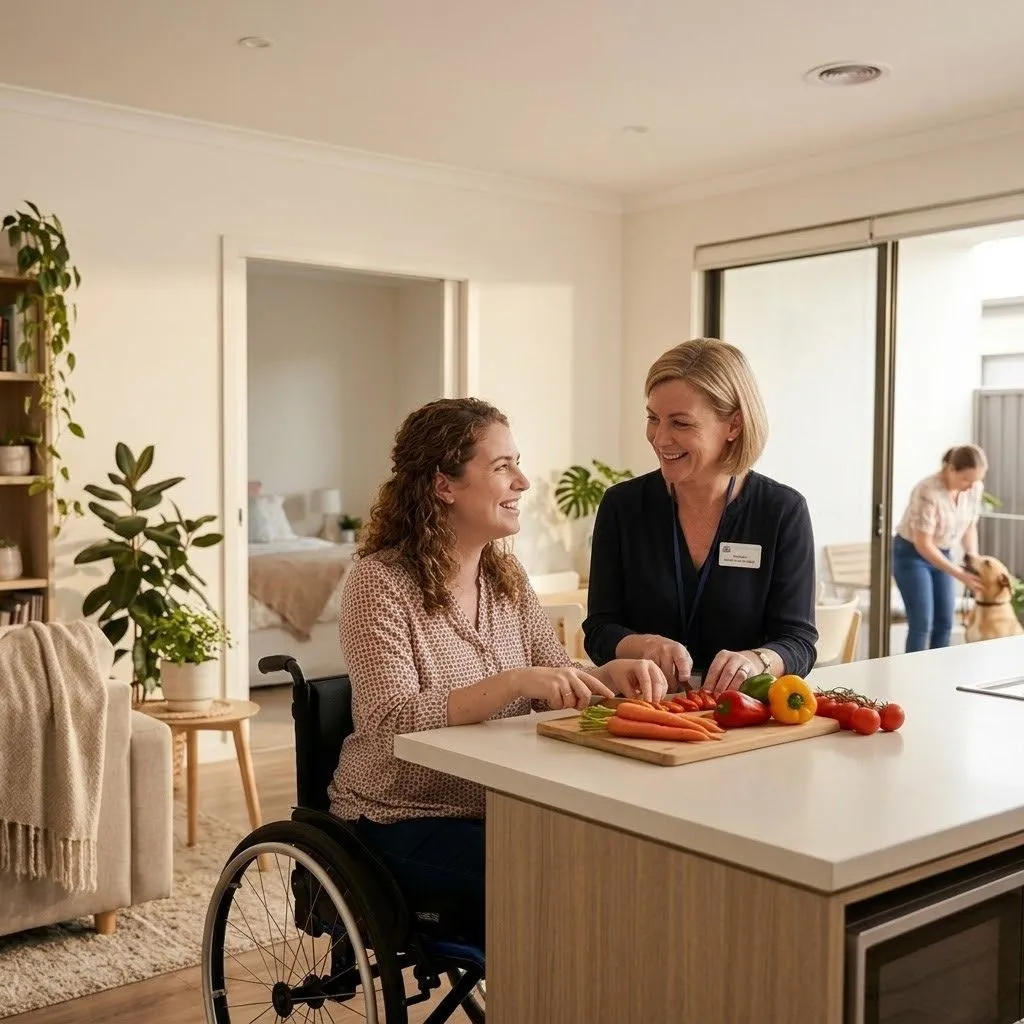
Before You Move to an SDA Home, Set a Moving Date
Once you have found a suitable SDA property, don’t rush straight to packing. Use this stage to confirm the practical details of your move and make sure everyone involved understands what has been agreed. Before setting a date, confirm:
- the property and room you will be moving into
- the SDA design category and relevant features
- whether the home is shared or individual
- your residency agreement
- your rent contribution and other household costs
- what furniture and appliances are provided
- which personal items you need to bring
- when you will receive access to the property
- what support arrangements will be in place
- who to contact if something needs to be fixed before you move.
If you are moving from another home, also allow enough time to organise your belongings, utilities, transport and any changes to existing services.
Understand Your SDA Residency Agreement Before Signing
Your residency agreement is one of the most important documents to understand before moving in. Do not treat it as paperwork that simply needs a signature.
Read through the agreement and make sure you understand the terms that apply to your accommodation, including your responsibilities, payments, notice arrangements, property rules and how repairs or complaints are handled. If you do not understand anything, ask the provider to explain it.
You can also ask your support coordinator, advocate, family member or another trusted person to go through the agreement with you before signing.
Questions Worth Asking Before You Sign
Ask the provider:
- What exactly is included in my accommodation?
- What payments will I need to make?
- Who handles repairs and maintenance?
- How do I report a problem?
- What happens if I want to leave?
- Are there household rules I need to know about?
- What areas of the property are shared?
- Who can access my home and when?
- What happens if my circumstances change?
Getting clear answers before moving is much easier than resolving misunderstandings after you have settled in.

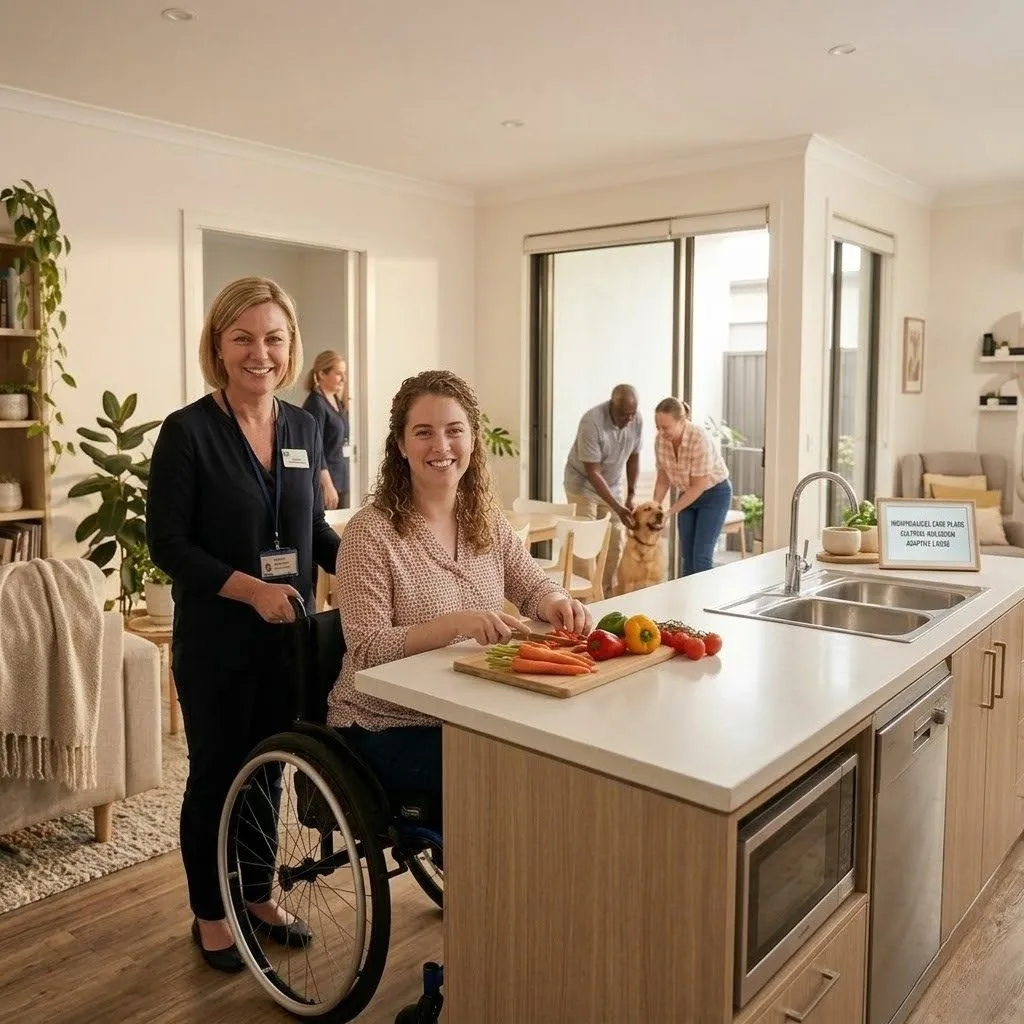
Make Sure Your Supports Are Ready for Move-In Day
Your housing and your disability supports are separate arrangements, but they still need to work together in practice.
If you already receive SIL or other supports, speak with your support provider before the move so everyone knows when and where your support will begin. Check:
- the first support shift
- support worker availability
- medication or personal care arrangements where relevant
- transport arrangements
- appointments around your move
- equipment that needs to be transferred
- emergency contacts
- communication between your existing and new providers.
If you are changing support providers at the same time as moving house, give yourself enough time to coordinate both changes.
SDA provides the specialist dwelling. You arrange your other NDIS supports separately.
Prepare the SDA Home Around the Way You Live
An SDA property is designed to meet particular accessibility requirements, but you still need to organise the home around your own routine. Before moving, think about where you will keep:
- mobility equipment
- personal belongings
- clothing
- medications
- communication equipment
- kitchen items
- charging equipment
- continence supplies or other personal-care items
- items you use every day.
If you use specialist equipment, make sure you know where it will be positioned and how to use it safely in the new home.
You shouldn’t have to discover on moving day that an important part of your routine doesn’t work in the new space.
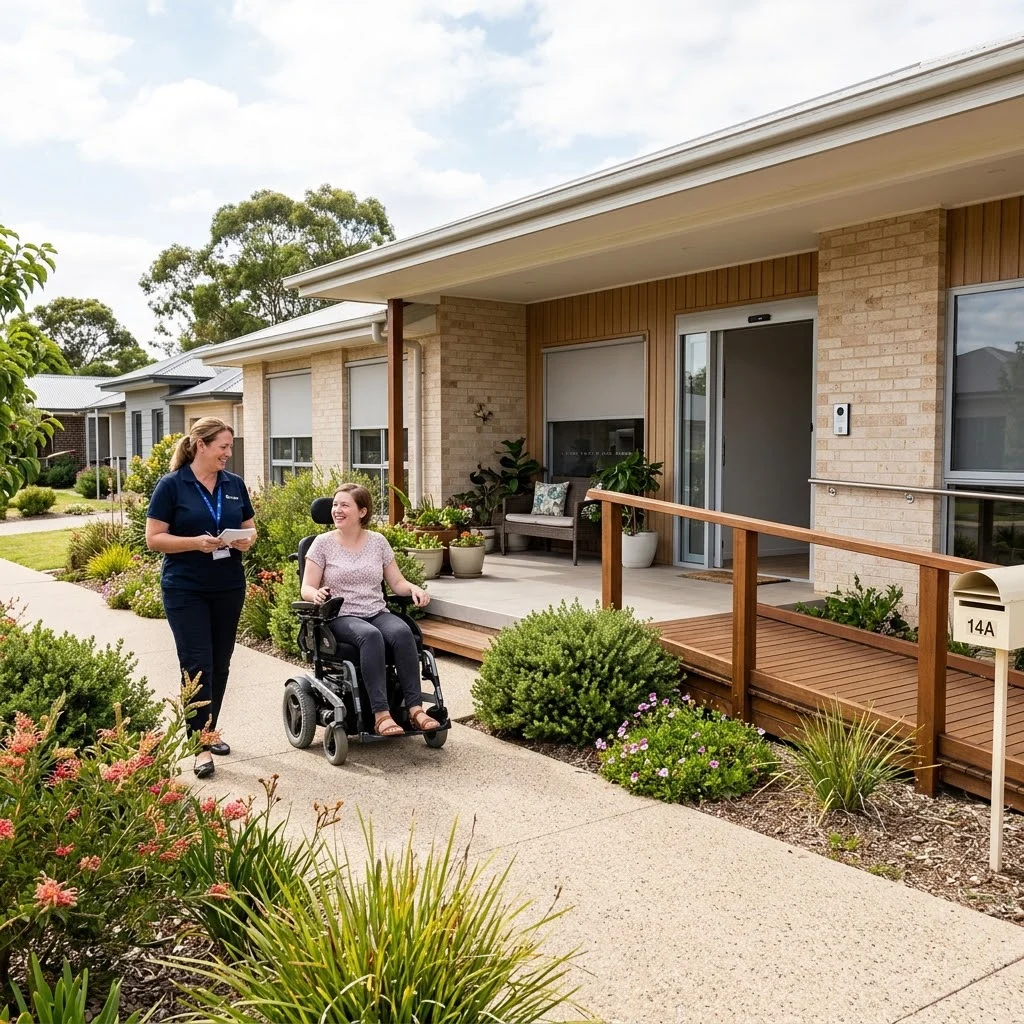

What Happens on SDA Moving Day?
Moving day is usually focused on getting you safely into the property and making sure the practical arrangements are in place.
Depending on the property and your agreement, this can include:
- Completing the required tenancy or residency arrangements.
- Receiving access or keys to the property.
- Checking the condition of the home.
- Bringing in your belongings and equipment.
- Confirming how to report maintenance issues.
- Making sure your support arrangements are ready.
- Setting up the areas you need first.
You do not need to unpack your entire life on the first day. Prioritise the things you need for your first night and first few days, then organise the rest as you become familiar with the home.
Check the SDA Property When You Move In
Take time to look around the property properly.
Check the areas that are particularly important to you, including:
- entry and exit points
- bedroom
- bathroom
- kitchen
- living areas
- storage
- shared spaces
- accessibility features
- equipment or fixtures provided with the property.
If you notice damage, missing items or something that does not match what you were told about the property, report it to the provider promptly. It is also useful to keep a record of anything you report and the date you reported it.
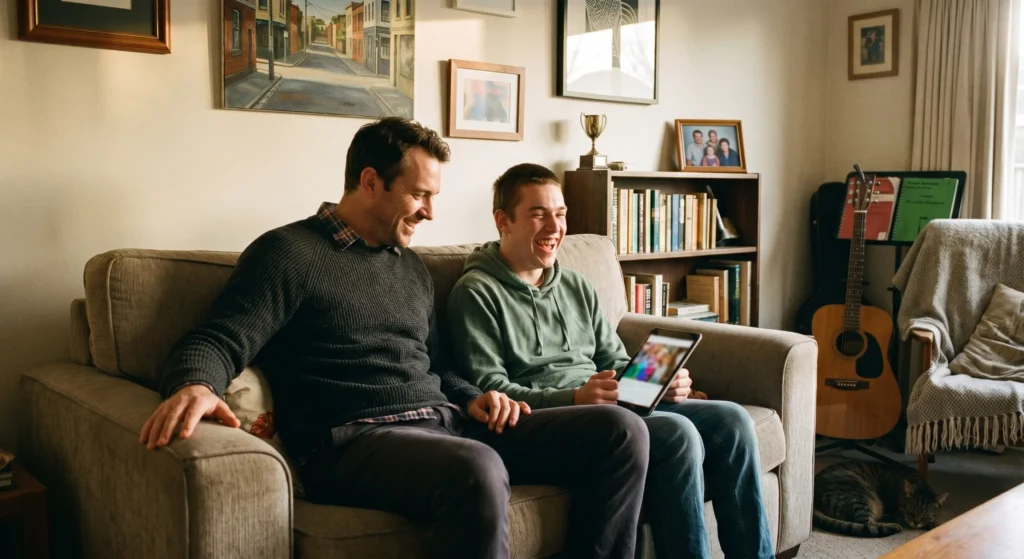
Your First Few Weeks in SDA Housing
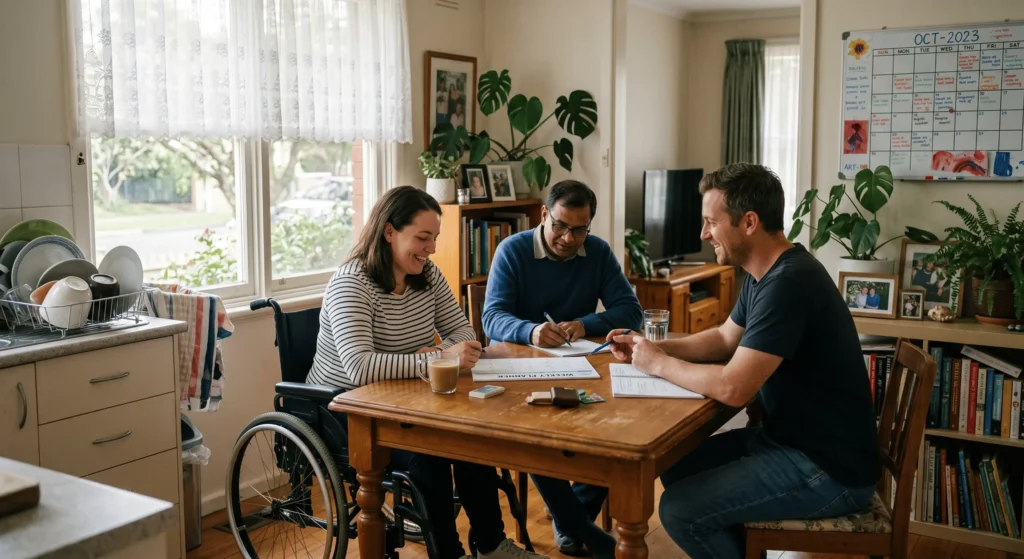
The first few weeks are about more than unpacking boxes. You are learning how the home works, establishing routines and getting used to the environment. Give yourself time to work out:
- where everything is kept
- how household routines operate
- how to contact the provider
- how repairs are reported
- how shared areas are used
- how your support workers operate in the new environment
- which parts of the home work particularly well for you
- whether anything needs to be adjusted.
If you share the property with other residents, there will also be a period of getting used to different routines, personalities and expectations. Good communication early on can prevent small issues from becoming larger problems.
Living With Other SDA Property Residents: Setting Up a Comfortable Routine
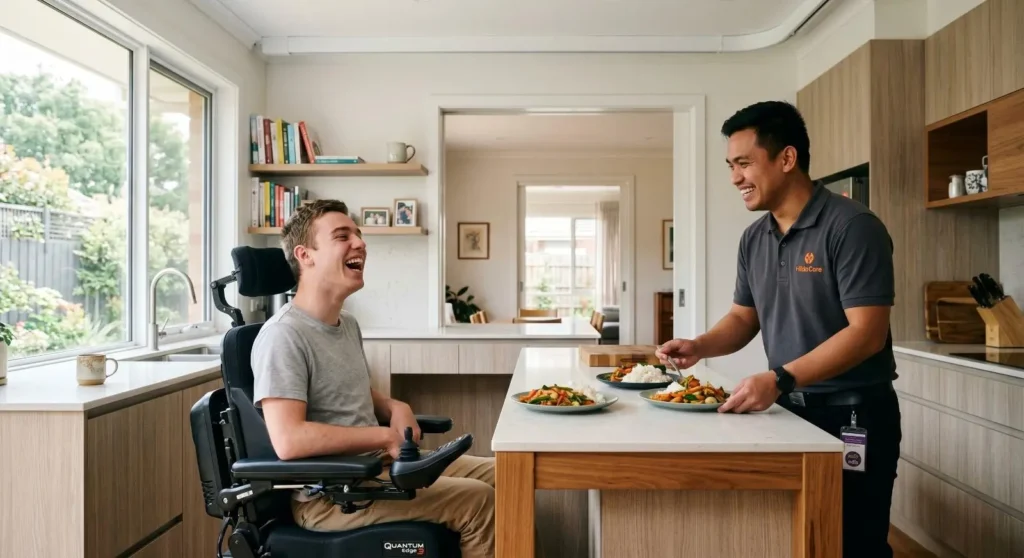
If your SDA home is shared, your experience will also depend on how the household operates.
Talk about practical matters such as:
- use of shared living areas
- kitchen routines
- noise
- visitors
- cleaning
- shared facilities
- household schedules
- privacy
- communication about changes.
You do not need to have identical routines to your housemates.
What matters is having reasonable arrangements that allow everyone to use their home comfortably and respectfully.
If a household issue keeps occurring, raise it with the appropriate person rather than allowing frustration to build.
SDA Housing Rights in Victoria
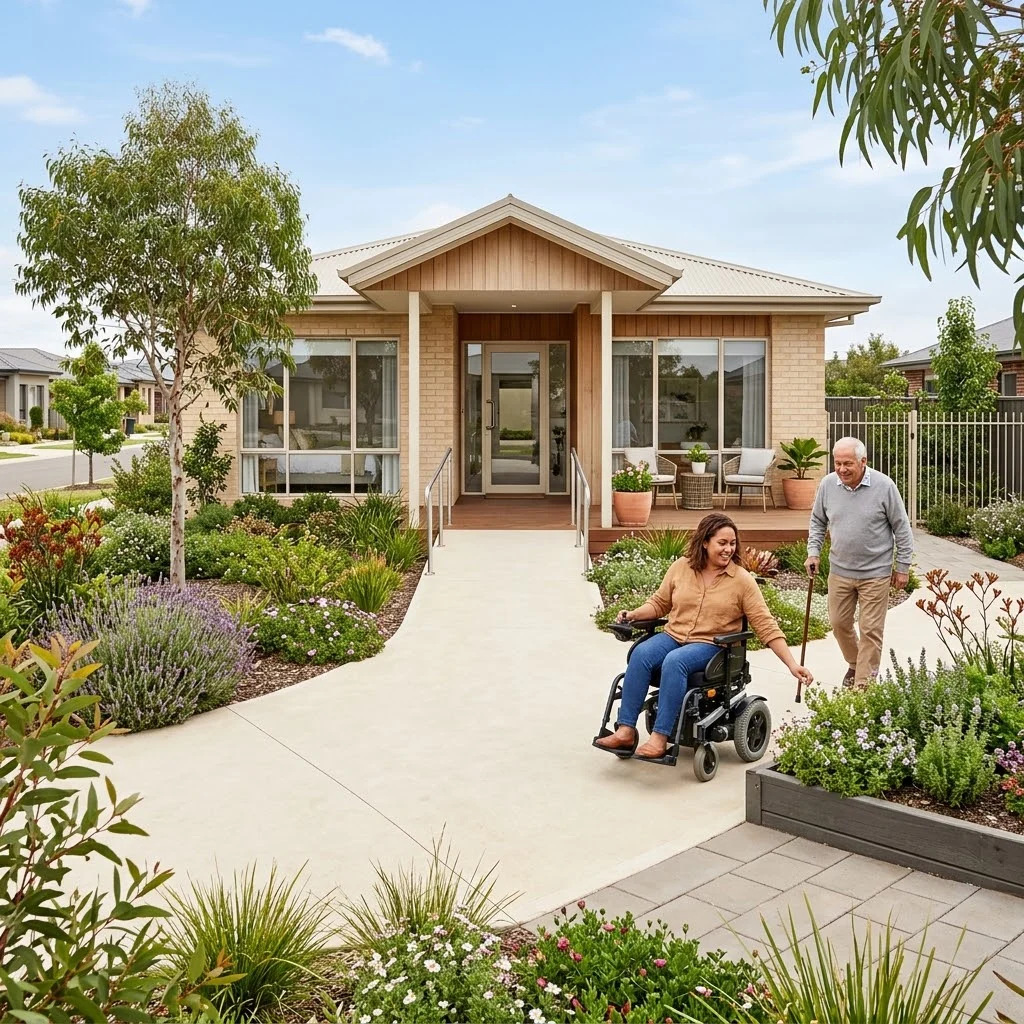
If you live in SDA in Victoria, specific provisions of the Residential Tenancies Act 1997 (Vic) apply to SDA residents.
These provisions are separate from the general information about choosing an SDA home and are important to understand once you move in.
Depending on your circumstances, your rights and protections can cover matters including:
- your residency agreement
- rent and other charges
- repairs and maintenance
- privacy
- ending a residency
- dispute resolution
- protections relating to your occupation of the property.
Your SDA provider also has obligations under the applicable Victorian tenancy framework.
For current information about your legal rights and responsibilities, use Consumer Affairs Victoria or obtain independent tenancy advice rather than relying solely on information provided by a housing provider.
Keep Your Important Documents
Keep copies of:
- your residency agreement
- condition reports or property records
- rent or payment information
- repair requests
- complaint correspondence
- important provider contacts.
Having your records organised makes it much easier to resolve a problem if one arises later.
What to Do When Something Goes Wrong
Even a suitable SDA property can have problems after you move in. A repair might be needed. A household arrangement might not work as expected. You might have concerns about how the property is being managed. Start by identifying the problem and who is responsible for addressing it.
For Repairs or Property Problems
Report maintenance issues through the provider’s nominated process.
For anything urgent, use the emergency or urgent-repair process provided to you rather than waiting for a routine maintenance visit.
Keep a record of:
What happened → when you reported it → who you contacted → what response you received.
For Household or Management Concerns
Raise the issue with the provider first where appropriate.
Explain the specific problem and what outcome you are asking for.
If the issue is not resolved, you can seek further assistance through the relevant complaints, tenancy or disability-support pathways.


What If You Are Not Happy With Your SDA Provider?
Moving into an SDA property does not mean you have to accept poor communication or unresolved problems. If something is not working, give the provider an opportunity to address the issue where appropriate.
If the problem continues, you can seek help from a support coordinator, advocate or another appropriate person. The right pathway depends on what the problem involves.
A housing or tenancy issue may need to be addressed through the relevant Victorian tenancy process, while a concern about NDIS Provider Conduct or Safeguards may involve the NDIS Quality and Safeguards Commission. Keeping these pathways separate helps make sure your complaint reaches the right organisation.
Can You Move Out of SDA Housing?
Yes. An SDA resident can leave an SDA property, but you should understand the requirements that apply to your residency agreement before ending your arrangement. Do not simply move out without first checking:
- the notice requirements
- your agreement
- your next housing arrangement
- what happens to your SDA funding
- how your support arrangements will continue
- whether another suitable SDA property has been identified.
If you are moving to another SDA property, plan the change carefully so your housing and support arrangements do not become disconnected.
If you are considering leaving because the property or provider is not meeting your needs, speak with your support coordinator or an advocate before making a final decision.

Moving to Another SDA Home
Sometimes your needs change after you move in.
The property might no longer be suitable because of a change in your mobility, equipment, support requirements, household circumstances or preferred location.
If this happens, start by discussing the situation with your support coordinator, relevant professionals and your housing provider.
If you need a different SDA property, the next step depends on your individual circumstances and NDIS funding.
Moving to another home is a separate process from simply changing your support provider, so plan both sides carefully if both need to change.
A Simple SDA Move-In Checklist
Before moving, make sure you have covered the basics.
Before the move
- Read and understand your residency agreement.
- Confirm your move-in date.
- Understand your rent contribution and other payments.
- Confirm what furniture and appliances are provided.
- Arrange transport for yourself and your belongings.
- Organise the transfer of mobility or other specialist equipment.
- Confirm your support arrangements.
- Save the provider’s contact details.
- Ask any outstanding questions before moving day.
On moving day
- Check the property when you arrive.
- Record any issues or damage.
- Make sure essential equipment is accessible.
- Confirm how to report repairs.
- Set up the areas you need immediately.
- Make sure your first support arrangements are in place.
After moving in
- Learn the household routine.
- Check that your support arrangements are working.
- Raise maintenance problems promptly.
- Keep copies of important documents.
- Speak up if something is not working for you.
- Give yourself time to settle into the new home.
How Quickly Can You Move Into an SDA Home With Hilda Care?
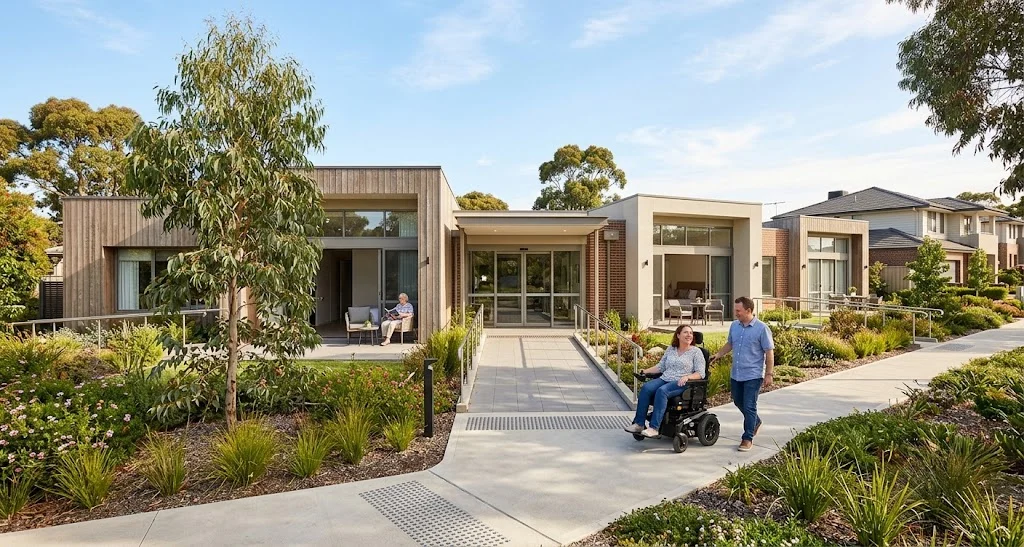
Hilda Care’s confirmed timeframe is that participants can be housed within 14 days once a suitable home has been confirmed and matched to their needs.
This timeframe starts after the right property has been identified and confirmed for the participant. It does not mean that every SDA enquiry will result in a move within 14 days.
The time needed to find a suitable home depends on factors such as your requirements, preferred location, design category and current vacancy availability.
If you are looking for SDA in a particular Melbourne suburb, tell us what you need from the property so we can discuss the available options with you.
Frequently Asked Questions About Moving Into SDA
Do I need a specific diagnosis to qualify for SDA?
Bring the personal belongings, furniture and equipment you need for your daily routine, unless these items are already provided with the property. Ask your provider what is included before moving so you know what you need to organise yourself.
Do I need to move all my belongings in on the first day?
No. You can organise your move around your needs. Prioritise the items you need immediately and arrange the rest when you are ready.
Who do I contact if something in the property needs repairing?
Use the repair and maintenance process provided by your SDA provider. Keep a record of what you reported and when, particularly if the issue remains unresolved.
Can family and friends visit me in my SDA home?
Your home is your living space, but visitor arrangements can be affected by the terms of your residency agreement and reasonable household arrangements. Ask your provider about any applicable visitor rules before moving in.
Can I personalise my SDA bedroom?
This depends on the property and any restrictions on modifications or changes. Ask the provider before making physical alterations, installing fixtures or making changes that could affect the property.
What happens if I need different equipment after moving in?
Tell your relevant support or clinical team and discuss the issue with your provider where the property itself is involved. Equipment needs and property modifications are separate matters and may require different arrangements.
What happens to my SDA funding if I decide to move?
Consider your housing arrangements and NDIS funding before you leave an SDA property. Speak with your support coordinator and the relevant providers before ending your current arrangement or committing to another home.
Can I change my support provider after moving into SDA?
SDA and disability supports are separate arrangements. If you are considering changing your support provider, plan the transition carefully so your new support arrangements are in place without disrupting essential assistance.
Where can I get help with an SDA tenancy issue in Victoria?
The appropriate pathway depends on the issue. Consumer Affairs Victoria can provide information about Victorian residential tenancy matters, while the NDIS Quality and Safeguards Commission handles relevant concerns about registered NDIS providers and provider conduct. You can also ask a support coordinator or disability advocate to help you identify the appropriate pathway.
Ready to Move Into SDA Housing?
Moving into SDA should give you a home that works with your needs and your everyday life.
If you are looking for an SDA property, Hilda Care can talk you through available homes, the features of each property and the next steps once you have suitable SDA funding.
Hilda Care is a registered NDIS provider (Provider Registration Number 4050126032) and provides SDA housing for eligible NDIS participants.